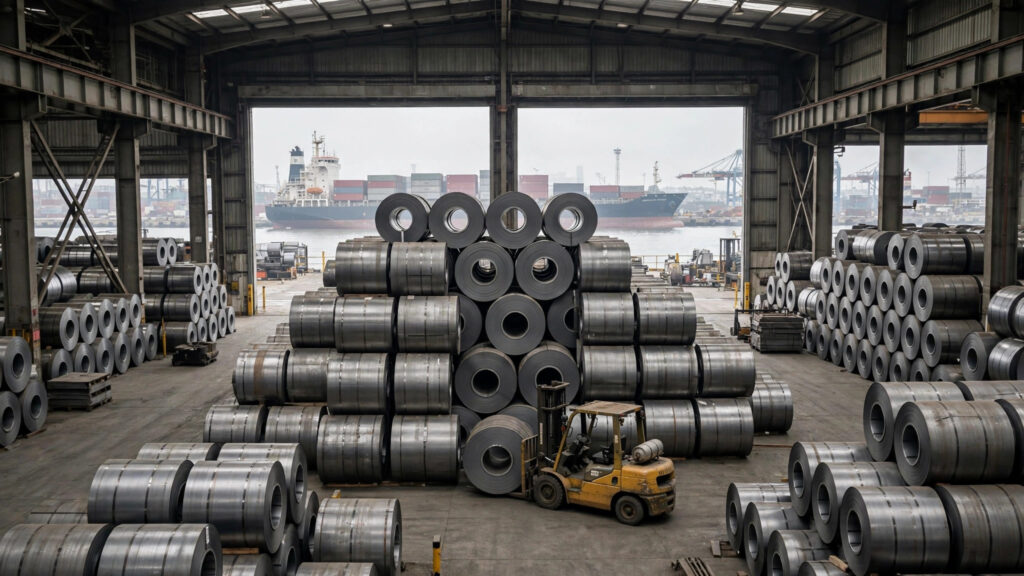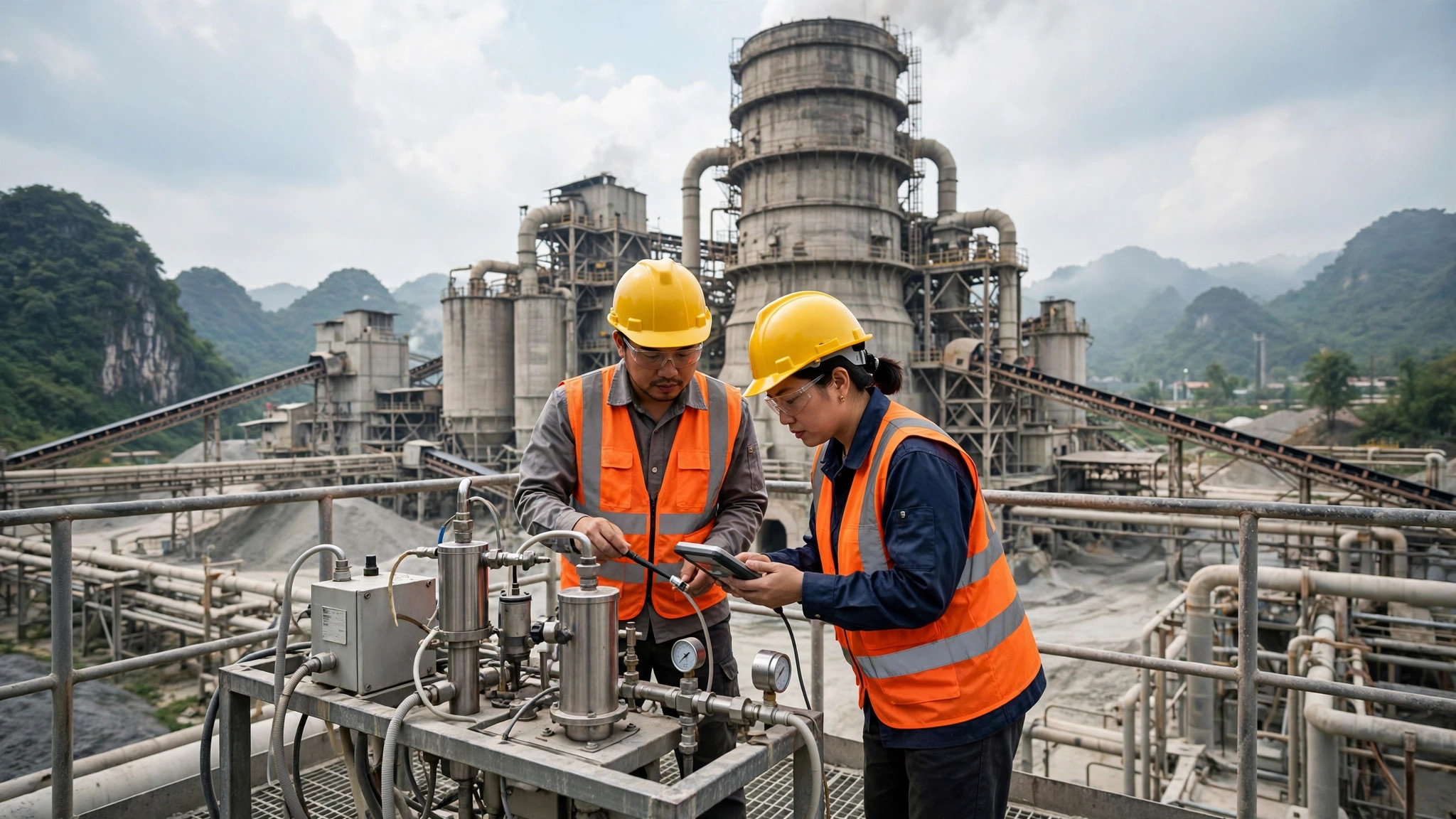
Every carbon market runs on a profession most people never meet. Before an allowance can be surrendered or a credit sold, someone independent must check that the tonnes in a report were really emitted, or really saved. In Vietnam, that profession is being built in public, in training rooms and cement plants, in the months since the domestic carbon exchange opened on June 29, 2026. Its customers are already fixed by law: 110 facilities holding pilot quotas for 2025 and 2026, made up of 34 thermal power plants, 51 cement plants and 25 iron and steel works. Its deadline is fixed too, with first verified inventory reports due before December 1, 2027. What is not fixed is whether enough skilled verifiers, consultants and in house specialists can be trained in time. This is a story about the people doing that training and being trained.
The consultant who talks about buyers and sellers
Dr Nguyen Phuong Nam, general director of KLINOVA Climate Innovation Consulting and Services Company, appears in vietnam.vn reporting in the autumn of 2026 explaining the market as a relationship between buyers, sellers and intermediaries. In his account, carried by the state information portal, the pilot design gives proactive facilities an opening: those that cut emissions below their allocated quota reduce compliance pressure and can realize economic value from the reduction, while those above quota must buy credits or invest in technology and management, with credits usable to offset up to 30 percent of an excess. It is a consultant framing, and it explains why firms like his exist. A plant manager who has run kilns for twenty years now needs a carbon balance sheet as well as a production plan, and the first purchase is usually advice.
The trainer who keeps answering the same question
Inside companies, the knowledge gap is specific. Nguyen Tien Hai, technical director of Vietnam Energy and Environment Consultancy JSC, known as VNEEC, told Vietnam Investment Review reporting carried by Vietstock in July 2026 that enterprise management teams have not been systematically trained in measurement, reporting and verification methodology or in the ISO 14064 standards. In paraphrase, his complaint is practical rather than theoretical: companies rely entirely on external consultants, never master the process themselves, and then struggle to maintain annual reporting. He added that enterprises often send different personnel to successive training courses, so knowledge arrives in fragments, and his team receives the same questions from different specialists inside the same company. Anyone who has built a new compliance function will recognize the scene. The skill is interdisciplinary by nature, sitting between operational engineering, environmental management and carbon economics, and almost nobody was hired for it before the quota decisions arrived.
The cement plant that hired help and kept the homework
At VICEM Song Thao Cement, a company representative described the chosen model to the same reporting: hire a consulting firm to complete the inventory properly, and train the company own technical personnel alongside, so the consultants produce a complete file and the internal team learns from it. The reasoning was risk. Fuel, power and production data inside a cement plant do not always reconcile neatly, and an error in a first inventory can follow a facility into allocation decisions and customer declarations. The hybrid model, outside expertise plus inside apprenticeship, is becoming the default pattern across the 110 facilities, and it is quietly creating a jobs market: each covered group needs at least a small internal team that can collect meter and fuel data in a form a verifier can accept.
The accreditation queue
Verification itself is a regulated activity. According to information published on the National Accreditation Office system and reported by Vietstock, there are approximately 28 accredited bodies for greenhouse gas inventory work in Vietnam, recognized against international standards. Set against 110 pilot facilities, that number is considered sufficient for the pilot, with average accreditation and verification timelines of about two weeks to one month depending on facility size. The arithmetic holds only if reports arrive in an orderly flow. If most facilities finish inventories in the same quarter before December 2027, the same 28 bodies become a bottleneck, which is why trainers keep urging companies to start data collection during 2026 rather than treating verification as a final formality.
The classroom of one hundred
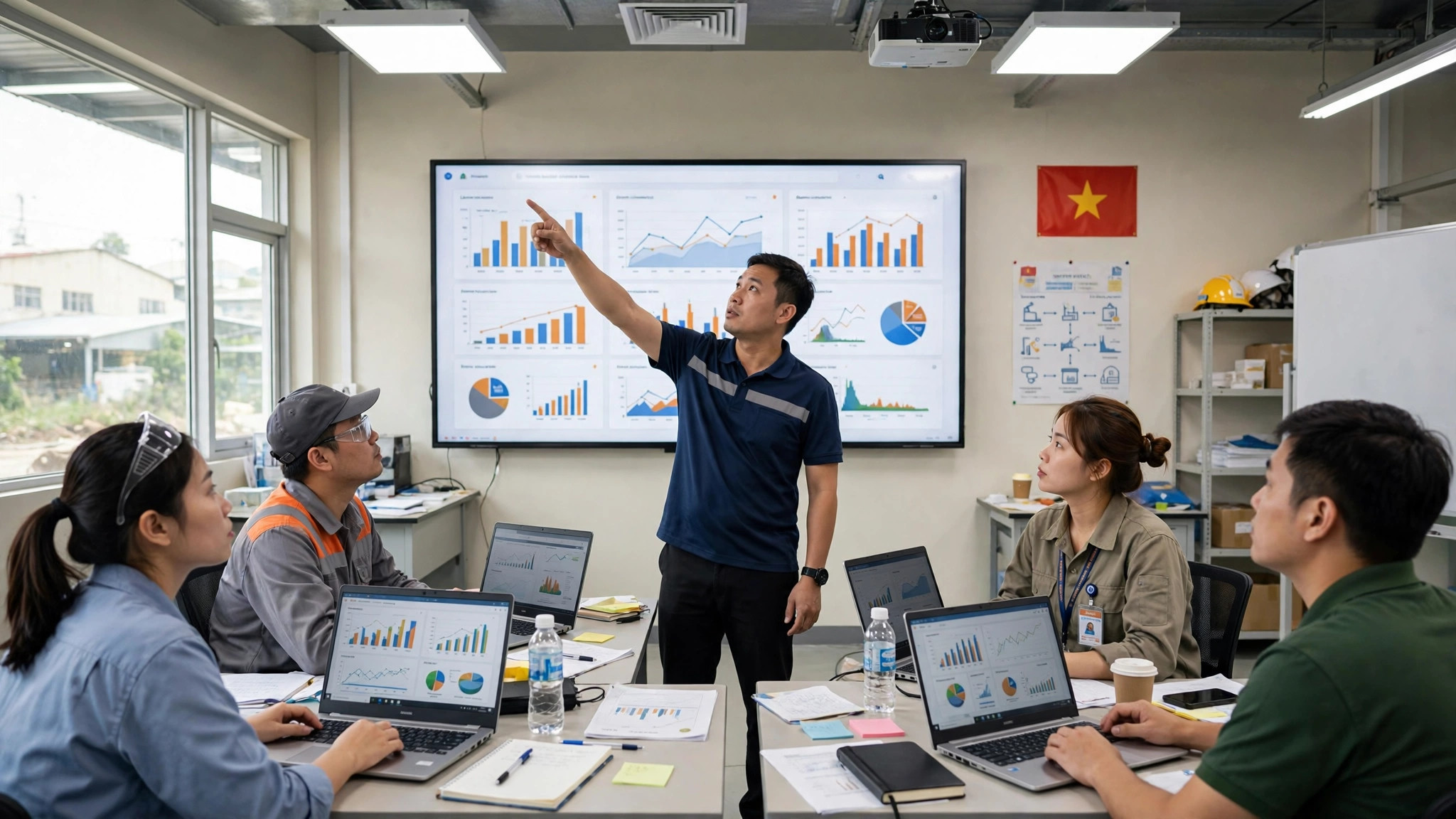
The scale of the catch up was visible on July 1, 2026, when more than 100 businesses from the thermal power, cement and iron and steel sectors joined a two day training course on the greenhouse gas inventory reporting system, reported by Vietnam Investment Review. State management agencies presented the updated legal framework, built on the 2020 Law on Environmental Protection, Decree 06 from 2022 and Decree 119 from 2025. Technical experts from JICA shared international lessons, and a practical session walked delegates through the online reporting system step by step, from entering sector specific operating data to generating a report and submitting a trial filing. A classroom exercise sounds modest. In a market whose first surrender falls in 2027, it is foundational infrastructure, as real as the trading platform itself.
An industry taking shape
Put the scenes together and a small industry is visible. Consultancies such as KLINOVA and VNEEC sell readiness. Accredited bodies sell independent assurance. Platforms and ministries sell, or give away, the training that lets clients use both. Inside the plants, a new kind of specialist is emerging, part engineer, part accountant, fluent in fuel invoices and emissions factors. Their work will rarely make headlines. But when Vietnam first surrender deadline arrives, the credibility of every number in the system will rest on whether these verifiers did their jobs well, and the exporters facing European carbon border declarations will need exactly the same discipline at product level. The market makers got the launch. The verifiers will decide whether anyone believes the result.
Related reading
- Seven Trades and 1,310 Allowances: Vietnam’s Carbon Exchange Finds Its First Price
- Free Allowances Are Not a Carbon Price: the Compliance Gap Exporters Must Close
- The Inspector’s Dilemma: Policing a Market That Barely Trades
Sources
vietnam.vn, September to October 2026, reporting remarks by Dr Nguyen Phuong Nam of KLINOVA on buyers, sellers, intermediaries and the 30 percent credit offset limit in the pilot. Vietstock, July 2026, carrying Vietnam Investment Review reporting on greenhouse gas inventory challenges, including remarks by Nguyen Tien Hai of VNEEC and a VICEM Song Thao Cement representative, and National Accreditation Office figures of about 28 accredited bodies. Vietnam Investment Review, July 1, 2026, on the two day training course attended by more than 100 businesses and the online inventory reporting system. Vietnam News, 2026, on Decision 263 approving pilot quotas for 110 facilities, comprising 34 thermal power plants, 51 cement plants and 25 iron and steel facilities.