The starting point: a city short of plugs
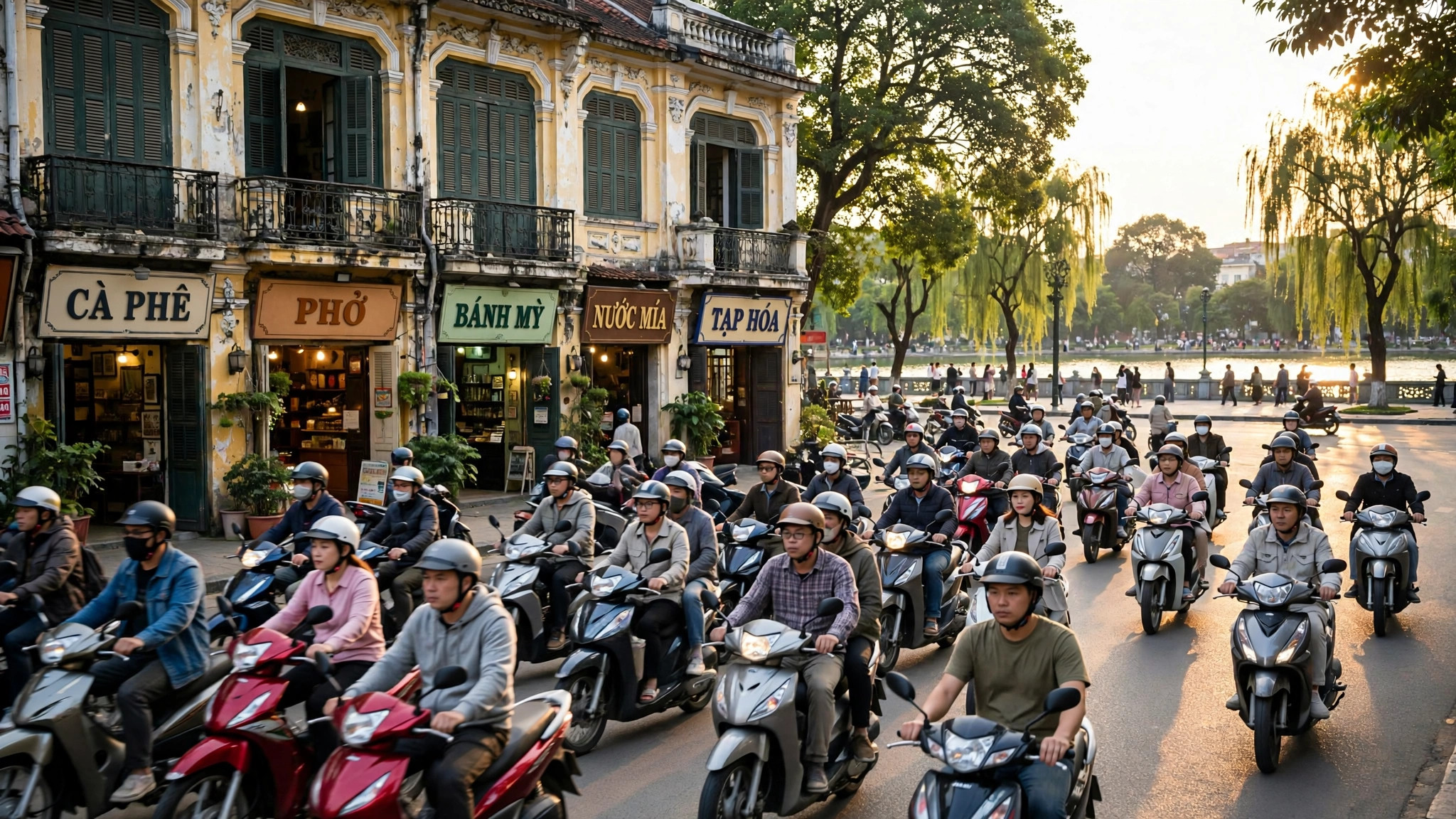
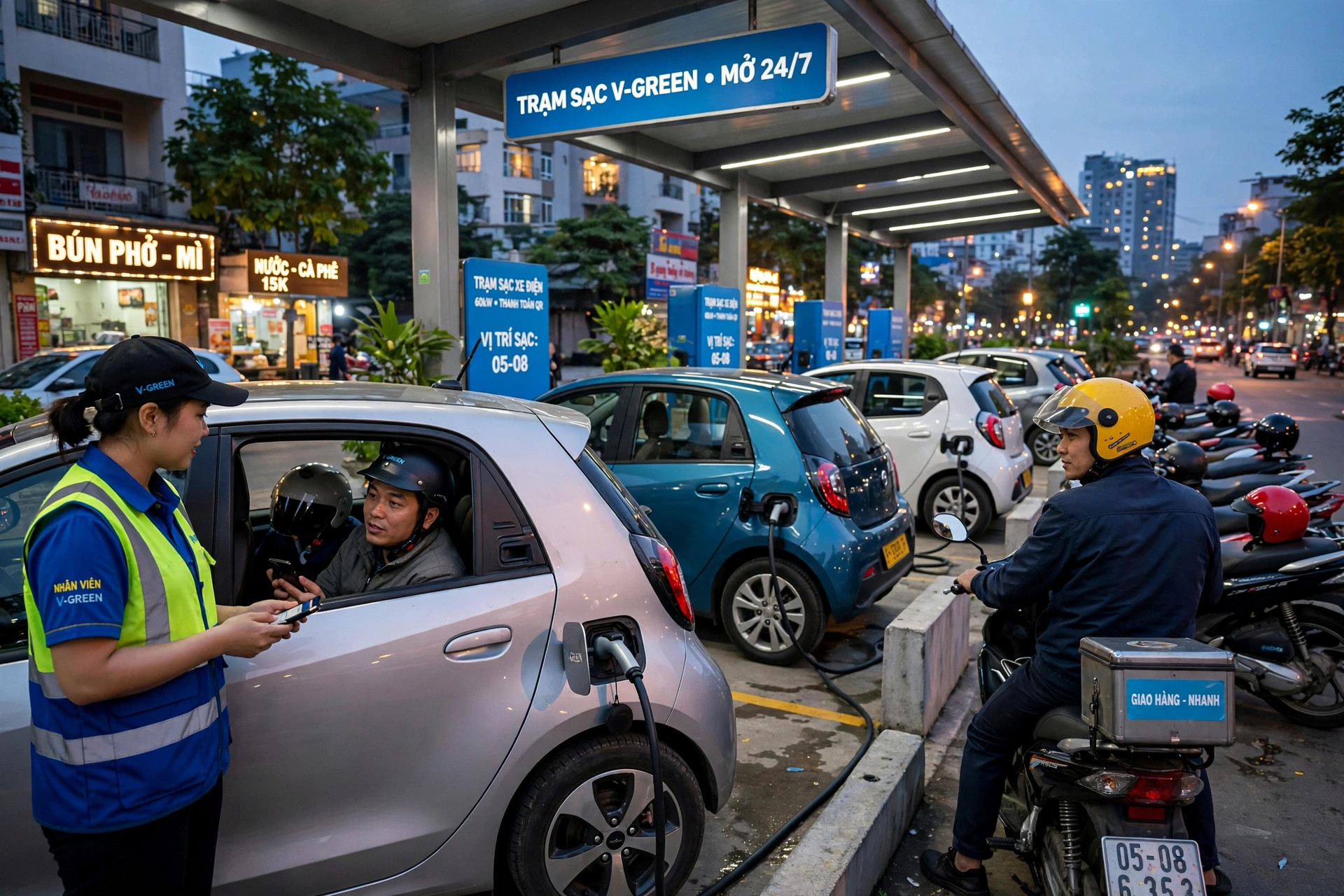
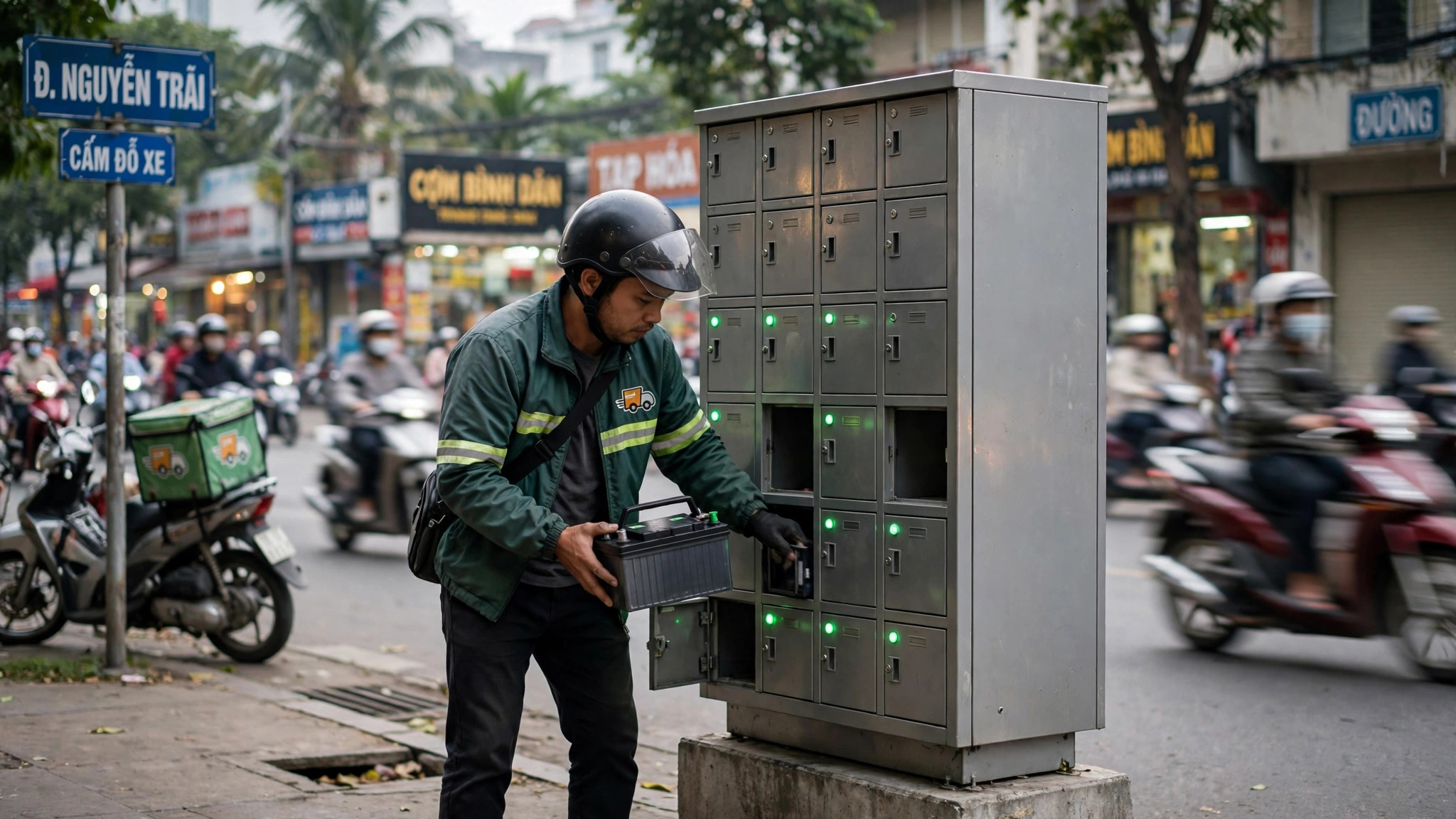
Ho Chi Minh City’s conversion problem is arithmetic. The city has targeted full conversion of its app based passenger and delivery motorbikes, about 400,000 vehicles, to electric or other green energy by 2029, and expects roughly 1.2 million electric motorbikes on its roads by 2030. Against that, its starting infrastructure was thin: reporting by the Department of Construction put the city at about 100,000 electric motorbikes served by roughly 300 fast charging stations and only 50 battery swap points. Most riders charged at home or in apartment blocks, a pattern officials openly link to electrical safety and fire risk. City officials frame the cabinet network as the fastest way to close that gap without waiting for building owners to rewire parking floors, a slow process in older apartment blocks. The city’s chosen fix is not primarily bigger charging stations. It is 20,000 small cabinets, placed on sidewalks and at streetlight poles, where a rider swaps a depleted battery for a full one and rides away.
The two offers on the table
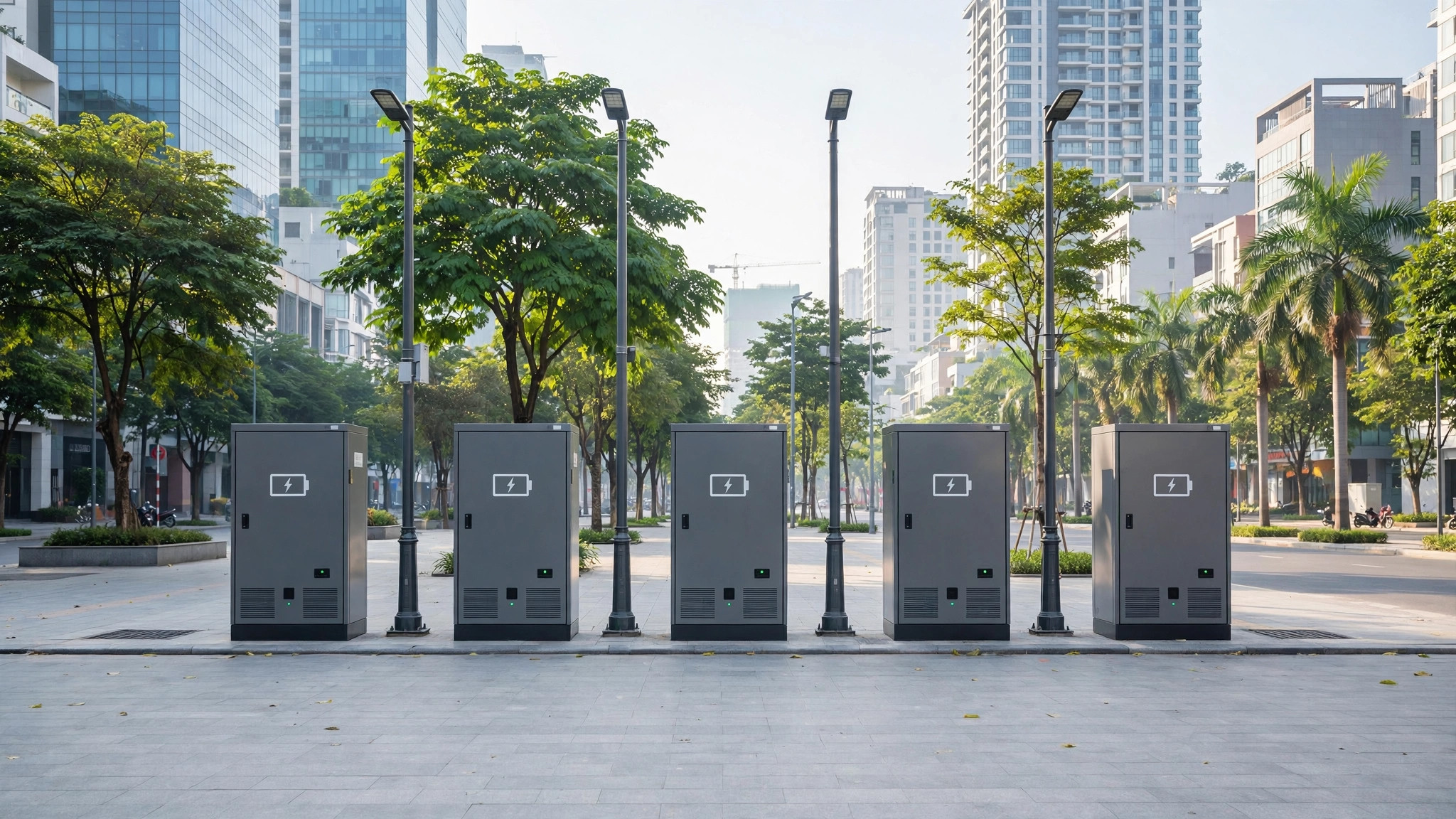
Two companies have committed their own capital to build the network. Great Wealth proposes about 10,000 cabinets mounted beside existing public streetlight poles. V-Green, the charging arm associated with VinFast, proposes another 10,000 along roads with sidewalks wide enough to take them, clustered near bus stops, schools, museums and government offices, with marked curbside stopping space so swapping riders do not block pedestrians. Each cabinet carries 6 to 12 battery slots and 6 to 12 kW of capacity, drawing on the 220 volt grid, with leakage protection, separate metering and remote monitoring over 4G. Both companies fund, operate and maintain their cabinets, and both have accepted that cabinets will be removed or relocated at their own cost if the city requires it. Permitting has begun location by location: the Department of Construction approved 91 sidewalk sites in January 2026 and published 101 more eligible locations, each required to leave at least 1.5 metres of clear pavement for pedestrians. City updates during 2026 put installed cabinets in the thousands, with the 20,000 figure as the end of year goal.
Swap versus plug: the time comparison
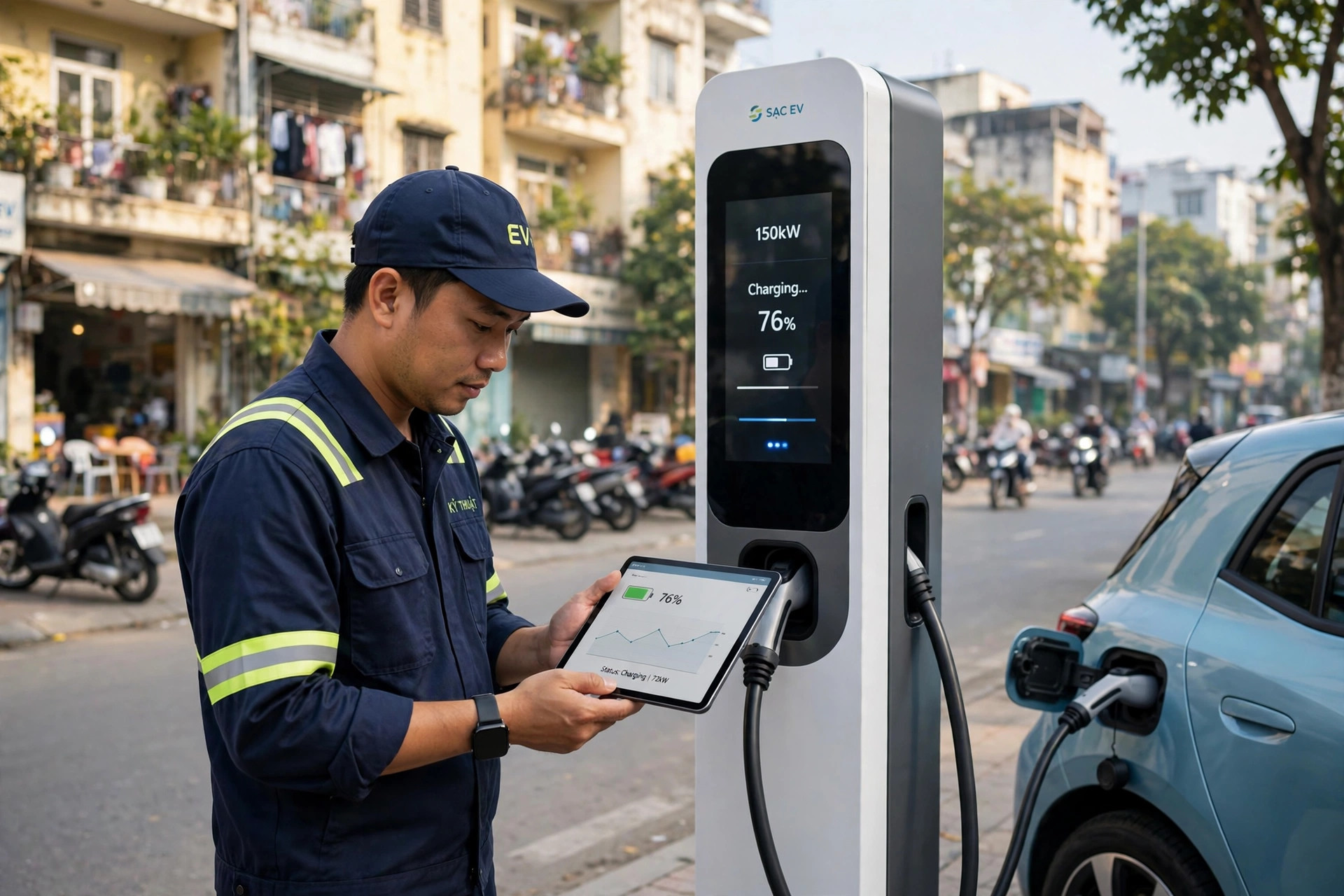
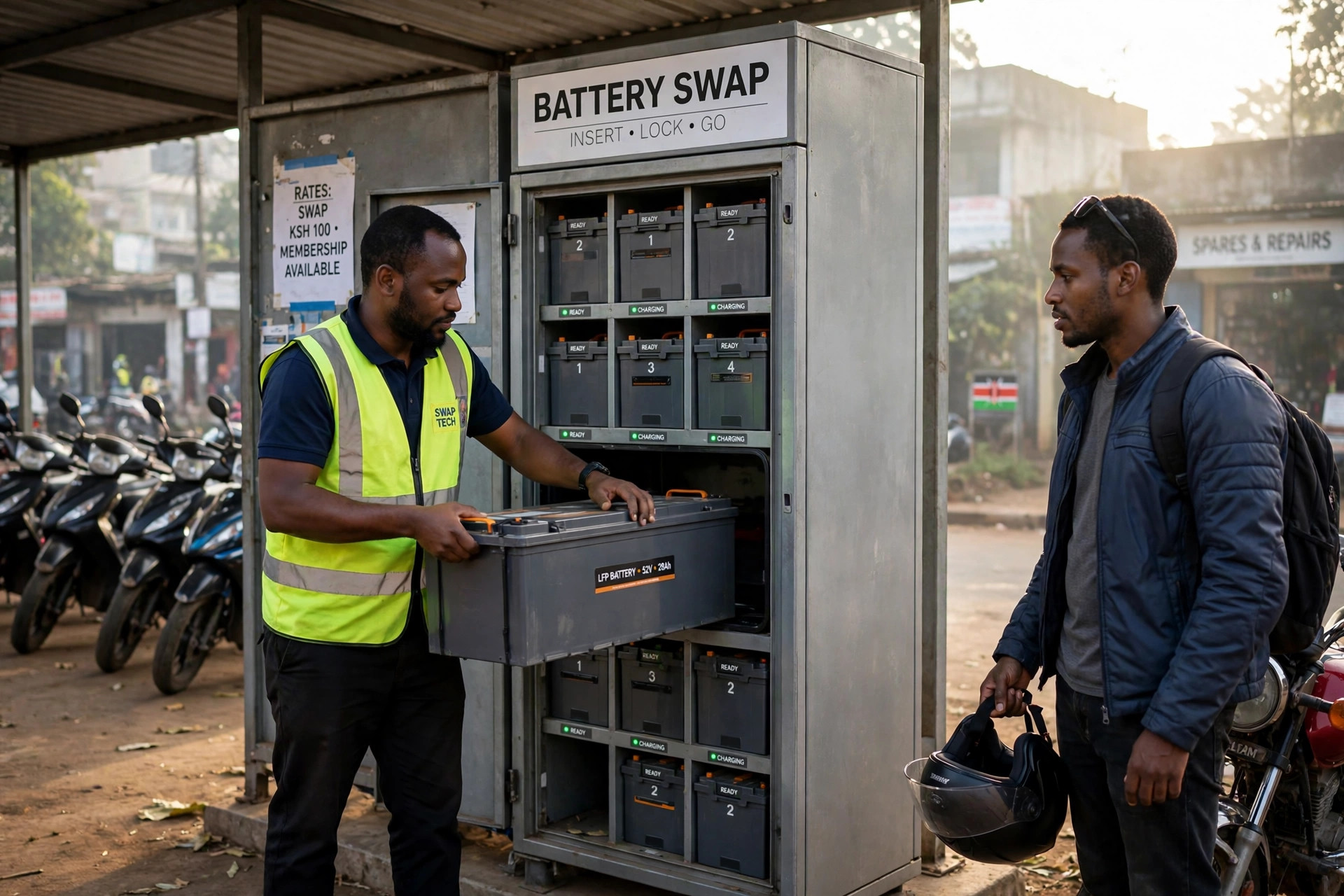
The core case for swapping is the working rider’s clock. A plug in charge, even a fast one, asks a delivery or ride hailing rider to stop earning for a significant block of time, or to charge overnight at home where a parking space with a socket may not exist. A swap takes minutes. For a rider doing many trips a day, that difference is not convenience; it is income. Swapping also moves the battery problem to the operator. The cabinet’s batteries are charged slowly, monitored centrally and replaced when their health fades, which spreads grid load across the day instead of concentrating it in an evening surge of home chargers, and keeps ageing batteries out of circulation under a maintenance regime. The costs of the model are equally real. Cabinets need dense placement to be useful, batteries in the system are capital sitting in boxes, and the whole network only works if a rider can trust that the next cabinet on the route has a charged, compatible battery waiting.
The interoperability question
That last word, compatible, is where the comparison gets decided. The Great Wealth proposal explicitly supports multiple popular brands, naming Honda, Yadea, Yamaha and VinFast. The city, for its part, has set the rule that cabinets must be interoperable and technically compatible with multiple motorbike brands, with compartments that fit different battery sizes or open connection protocols, precisely to prevent an infrastructure monopoly. A swap network that only serves one brand is a dealer amenity. A swap network that serves every brand is public infrastructure. Ho Chi Minh City’s target of more than 25,000 public charging and swap points by 2030 only makes sense under the second definition, and the permit conditions show the city knows it.
What plug in charging still does better
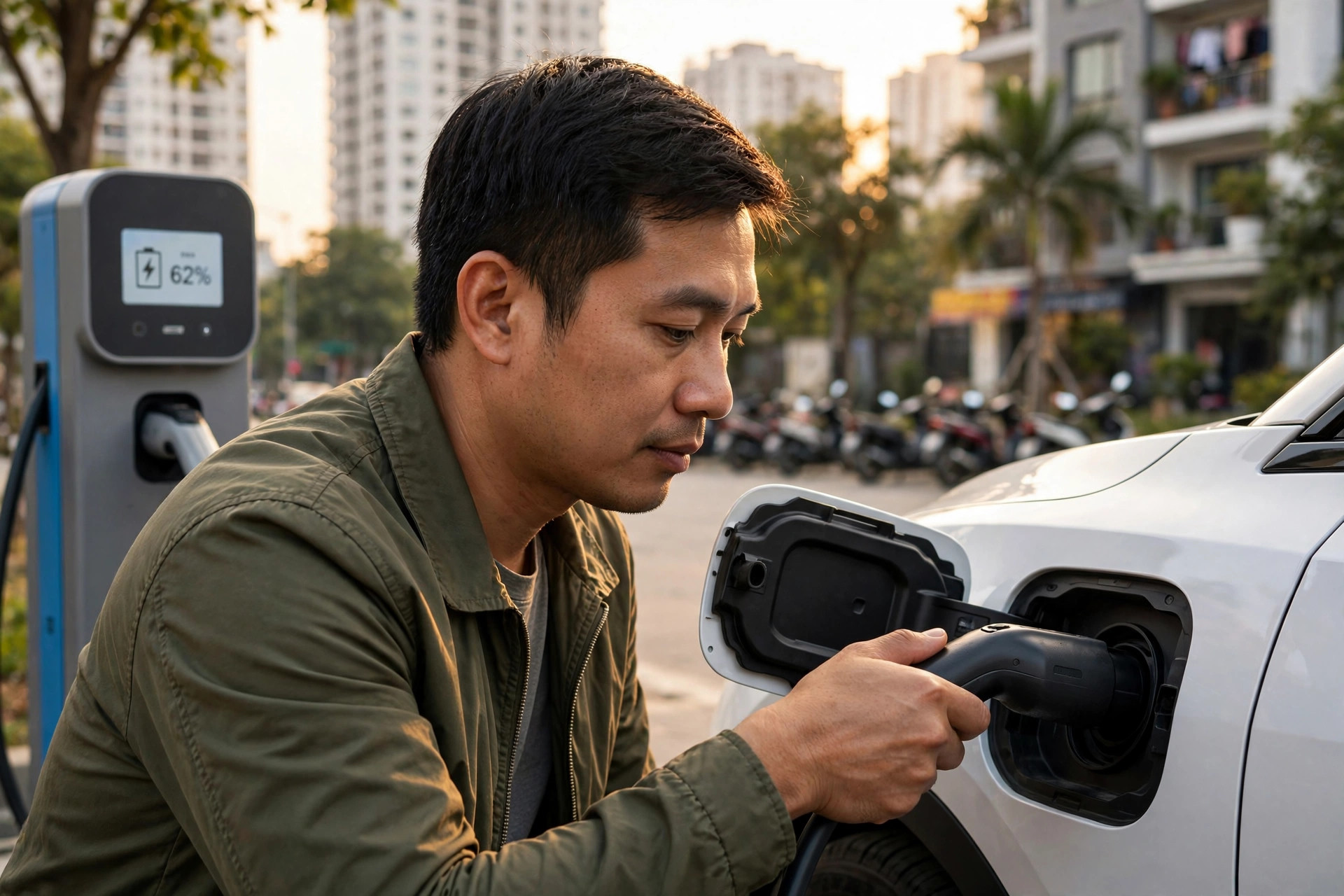
A fair comparison keeps a place for the plug. Home and workplace charging remains the cheapest energy a private rider can buy, and for the commuter who parks in the same place every night, a cabinet network is a backup rather than a necessity. Fast charging stations serve cars and larger vehicles that swapping cannot. The city’s bet is therefore not that swapping replaces plugging, but that swapping is the missing option for the highest mileage riders: the 400,000 service riders whose conversion deadline is 2029 and whose working day cannot absorb charging stops or depend on a socket in a rented room. If the cabinets hit their density and interoperability targets, Ho Chi Minh City will have built the largest swap led conversion model in Southeast Asia. If they fragment by brand, the city will have built 20,000 lockers. The permits being written now will decide which.
Related reading
- Two Wheels, Three Models: Swapping, Plugging and Leasing Compared
- The Nairobi Rider Who Halved His Fuel Bill by Going Electric
- Is the Grid Ready for a Million Electric Motorbikes in One City?
Sources
VnExpress International, December 2025, on the Department of Construction proposals: 10,000 Great Wealth cabinets and 10,000 V-Green cabinets, cabinet specifications, and the gap between 100,000 electric motorbikes and 300 fast charging stations plus 50 swap points. DTI News, March 2026, on newly approved swap sites, the interoperability requirement, the 2029 conversion target for about 400,000 service vehicles and the 2030 need for more than 25,000 public points. SGGP English, January 2026, on the 91 approved sidewalk locations, the 101 additional eligible sites and the 1.5 metre pedestrian clearance rule.