What changed on 1 January 2026
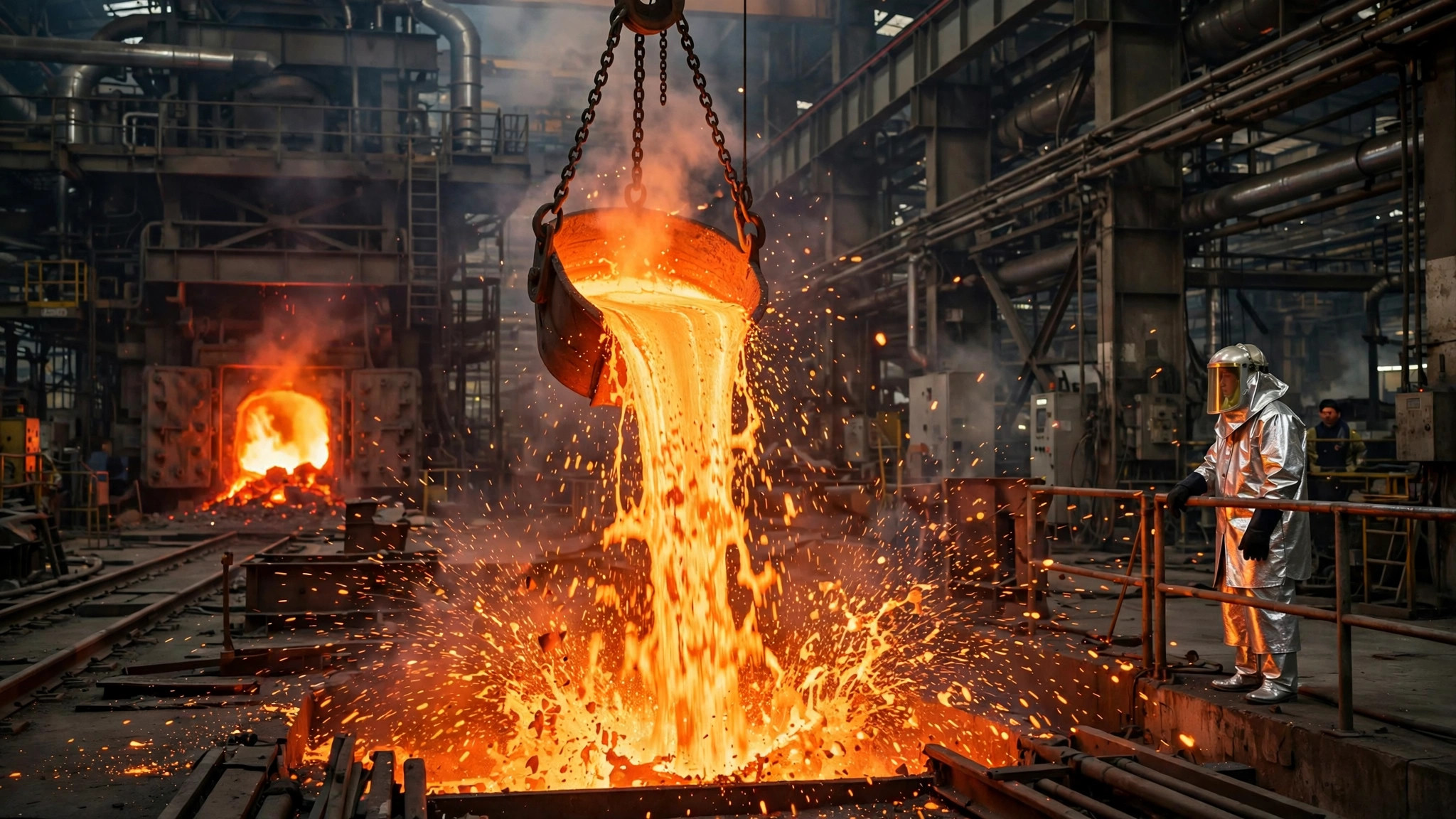
For two years, the European Union’s Carbon Border Adjustment Mechanism, known as CBAM, asked exporters for paperwork. From 1 January 2026 it began asking for money. The mechanism entered its definitive phase, under which importers of iron and steel, aluminium, cement, fertilisers, hydrogen and electricity into the EU must account for the carbon embedded in those goods and surrender certificates priced against the EU carbon market. More than USD 3 billion of Vietnamese exports to the EU sit inside the covered categories. For Vietnamese steel, the largest exposed product, carbon has stopped being a reporting topic for the sustainability page of an annual report. It is now a line in the export price.
The arithmetic that matters
The EU’s CBAM certificate price for the second quarter of 2026 was EUR 75.28 per tonne of carbon dioxide, according to Tran Ngoc Quan, head of the Vietnam Trade Office in Belgium and the EU. Producing one tonne of steel generates on average about two tonnes of carbon dioxide. Multiply the two figures and a tonne of steel carries a full carbon cost near EUR 150. Set that against an average export price of about EUR 650 per tonne, and the carbon charge at full application equals roughly 23 percent of the product’s value. No exporter absorbs a 23 percent cost wedge and stays in the same contracts. That is the number that has concentrated minds in mills from Thai Nguyen to Dung Quat.
Why the 2026 bill is still small, and why that is a trap
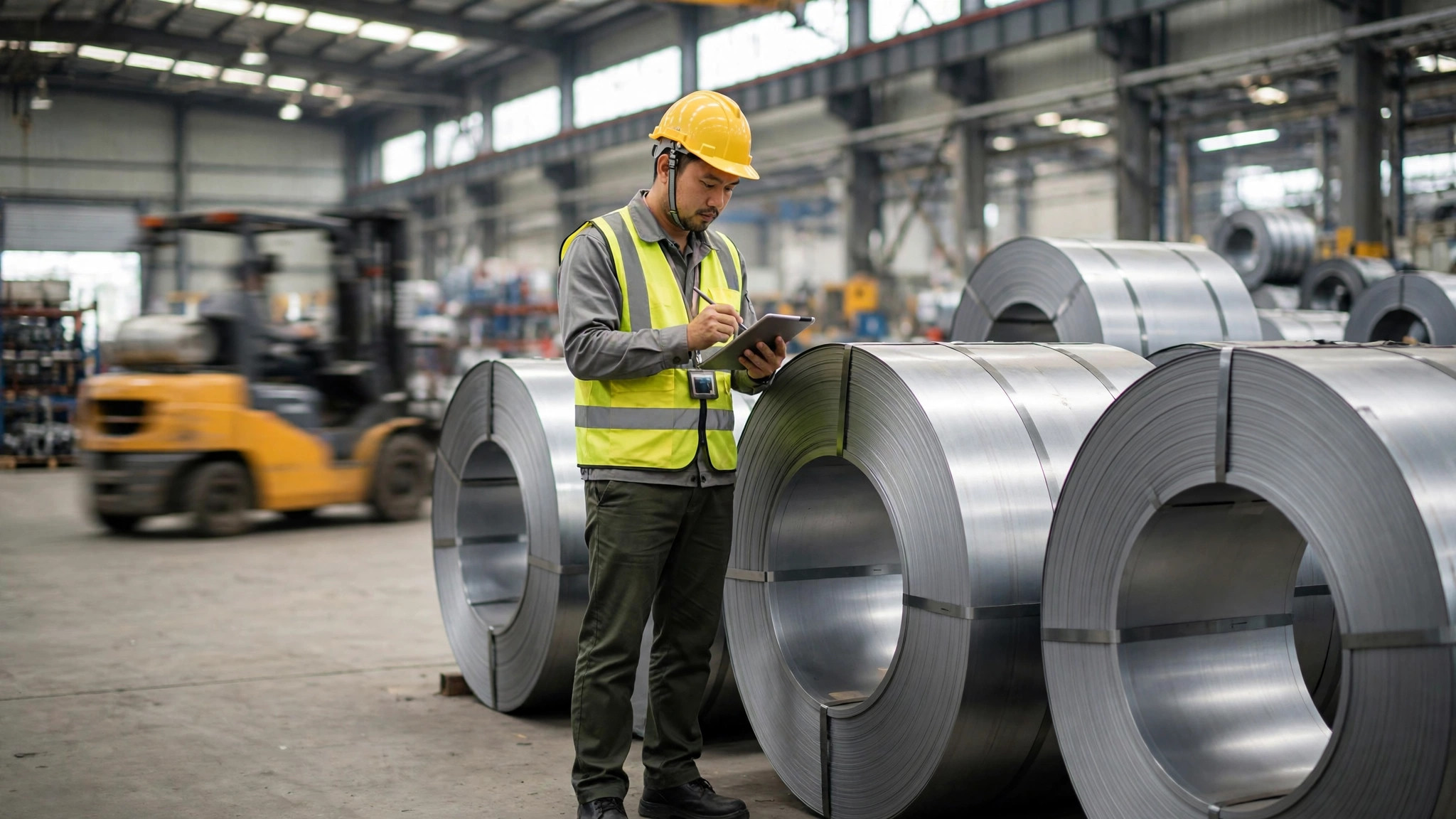
Nobody pays the full wedge yet. CBAM phases in as free allowances for EU producers are withdrawn: the obligation covers about 2.5 percent of embedded emissions in 2026, rising to 5 percent in 2027, 10 percent in 2028, 22.5 percent in 2029, and reaching 100 percent only in 2034. A Vietnamese mill’s actual 2026 exposure is therefore a small fraction of the headline figure. Treating that as comfort would be the expensive mistake. Buyers in Europe are already comparing suppliers on the full trajectory, because contracts, furnaces and customer relationships run for years. A mill that is merely cheap in 2026 but visibly high carbon in the 2029 schedule is a supplier an EU importer will quietly replace. The phase in is best read as an investment window with a published closing date.
Data is the first product
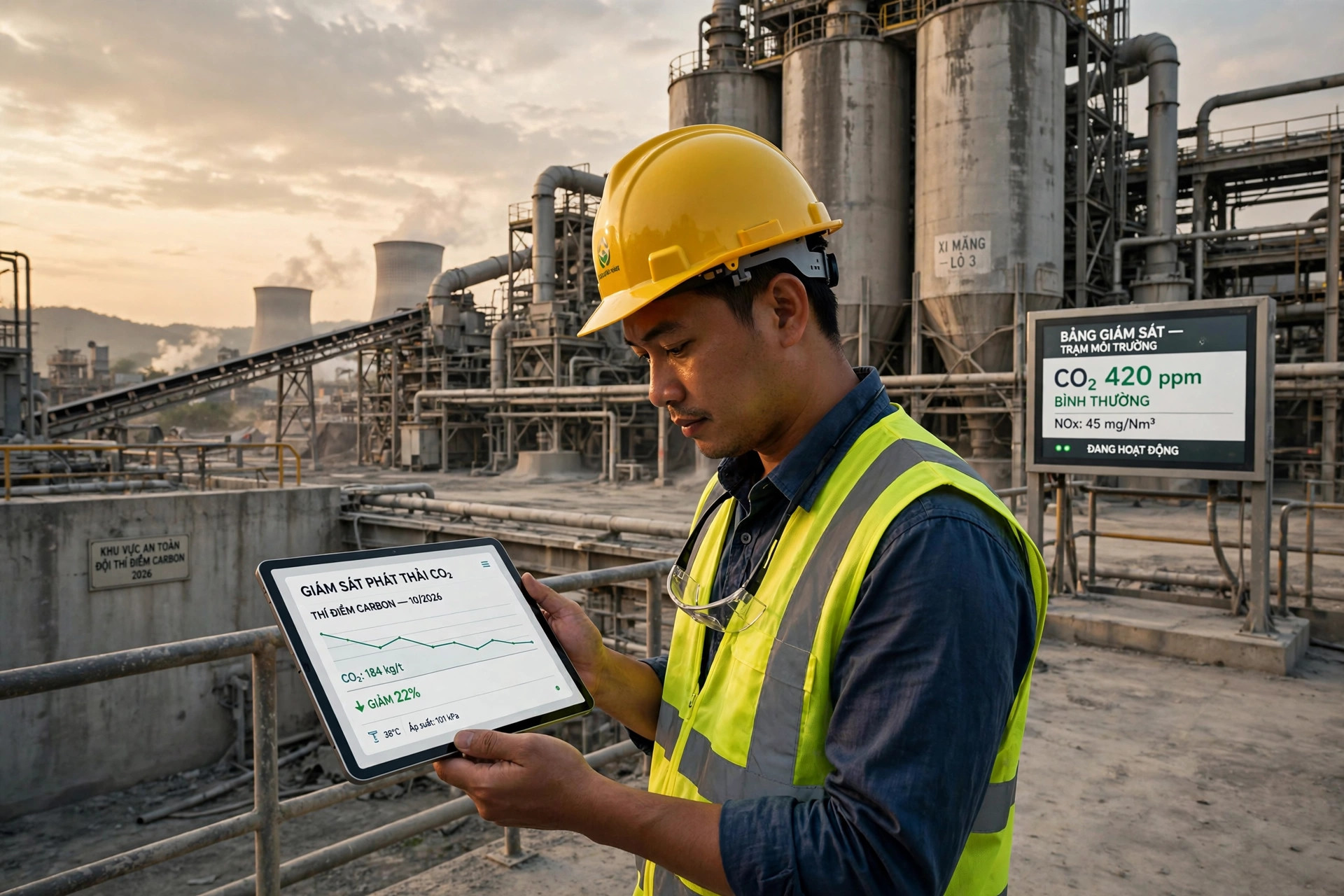
CBAM charges are calculated from actual, verified emissions data where the exporter can provide it, and from EU default values where it cannot. The defaults are deliberately unkind. This is why trade officials keep repeating that measurement comes before technology. A mill that cannot state, to EU methodology, the emissions inside a tonne of its steel will be charged as if it were among the dirtiest producers, whatever its real performance. Vietnam starts from a thin base: about 2,166 facilities nationwide are subject to mandatory greenhouse gas inventories, and many exporters, especially smaller ones, have yet to build inventory systems that meet EU standards. The International Finance Corporation’s advisory team in Vietnam has made the same point from the lender’s side: without accurate measurement, a company cannot identify which production stage to fix first, prove a reduction, or satisfy banks and buyers.
What a mill can actually do
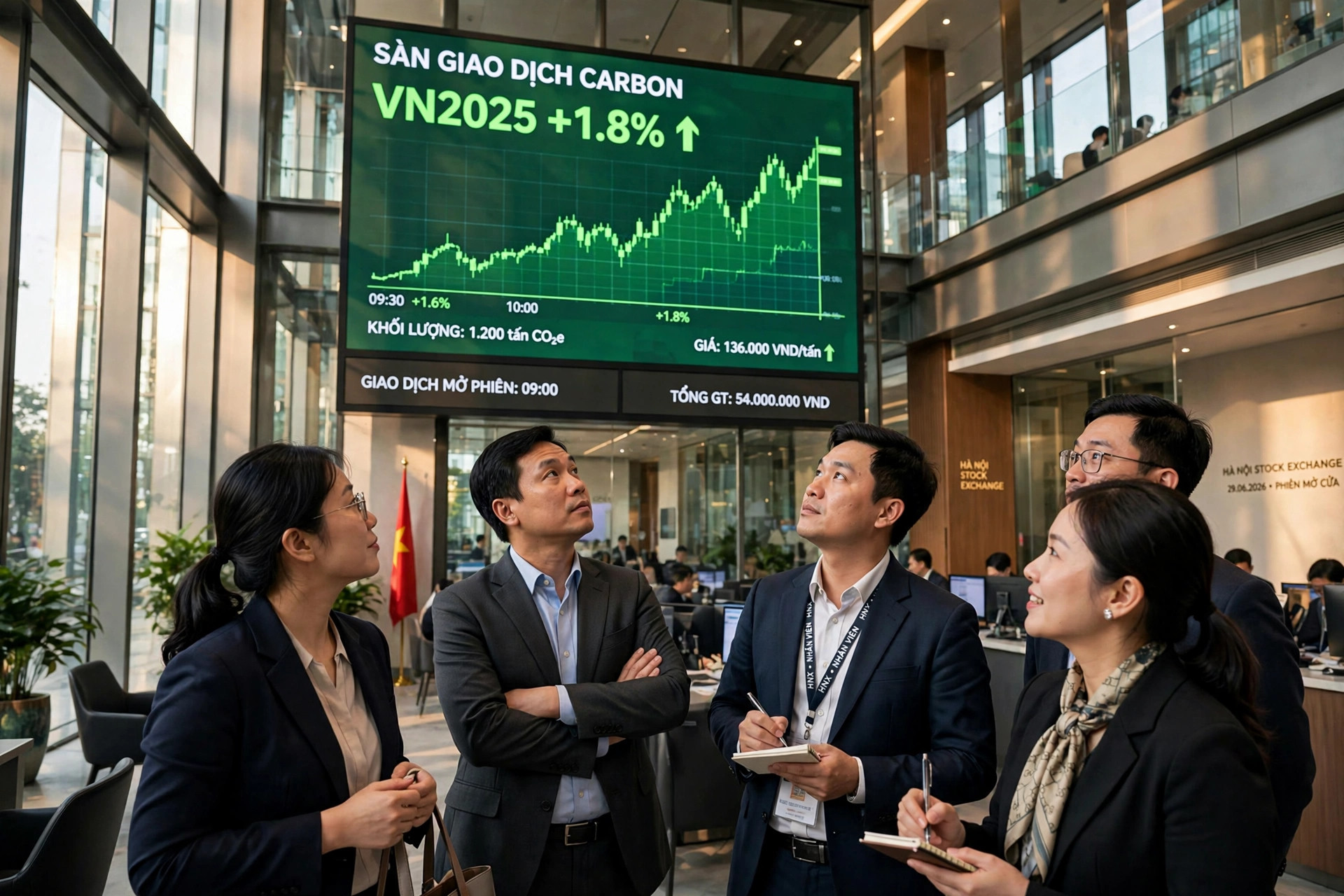
The levers, in the order most mills will pull them, are these. First, build the inventory: metering, emissions factors per product line, and verification that survives an EU audit. Second, cut intensity where it is cheapest, through energy efficiency, scrap based electric arc production where available, and cleaner purchased power. Third, prepare the commercial file: embedded emissions per product, stated the way an EU declarant needs them, updated quarterly as certificate prices move. There is also a domestic interaction to understand. Vietnam’s own carbon market now trades allowances at around USD 5 per tonne, and carbon prices genuinely paid at origin can be recognised within CBAM accounting. But at the gap between roughly USD 5 and EUR 75, the domestic price is a down payment, not an offset strategy. The real savings come from emitting less per tonne, not from financial engineering.
Who wins if everyone pays
CBAM is usually described as a cost. It is also a ranking. When every supplier to Europe faces the same carbon price, the advantage moves to whoever emits least per tonne of steel. Vietnamese producers running efficient, scrap fed electric furnaces, or able to document low intensity production, gain a measurable edge over higher emitting rivals in other exporting countries. That is the sense in which verified factory data becomes a price advantage: the mill with the better file pays less per tonne and can prove it. Trade officials in Brussels facing roles describe CBAM as a catalyst for exactly this competition. The window to enter it prepared runs to 2029, when the charge reaches about a fifth of its full weight, and closes by 2034. For Vietnamese steel, the bill has arrived. The only remaining choice is whether it arrives as a shock or as a schedule the industry has already priced in.
Related reading
- Hoa Phat’s Green Steel Bet, Explained
- Free Allowances Are Not a Carbon Price: the Compliance Gap Exporters Must Close
- Seven Trades and 1,310 Allowances: Vietnam’s Carbon Exchange Finds Its First Price
Sources
SGGP English, October 2026, reporting the Vietnam Trade Office in Belgium and the EU on the Q2 2026 certificate price of EUR 75.28 per tonne, the 23 percent steel cost estimate, the phase in schedule and the USD 3 billion exposure figure. Ministry of Industry and Trade reporting via Cong Thuong, October 2026, on CBAM preparation advice for Vietnamese businesses and the risk of EU default emission values. European Commission CBAM framework as summarised in October 2026 trade coverage, on the definitive phase from 1 January 2026 and the covered product categories.