On July 29, 2026, President Ferdinand Marcos Jr. signed the executive order creating the Electric Vehicle Incentive Strategy, known as EVIS. The headline number is large: PHP 60 billion, about USD 1 billion, of fiscal support for companies that build electric vehicles and components in the Philippines. The interesting question is not the size. It is the design, because Manila is the last major ASEAN car market to write its cheque, and it wrote it after watching Thailand’s manufacturing push and Vietnam’s national champion model produce very different industries. This comparison reads the three designs against each other: what each pays for, what each demands, and what each risks.
Manila’s design: few models, deep support, hard thresholds
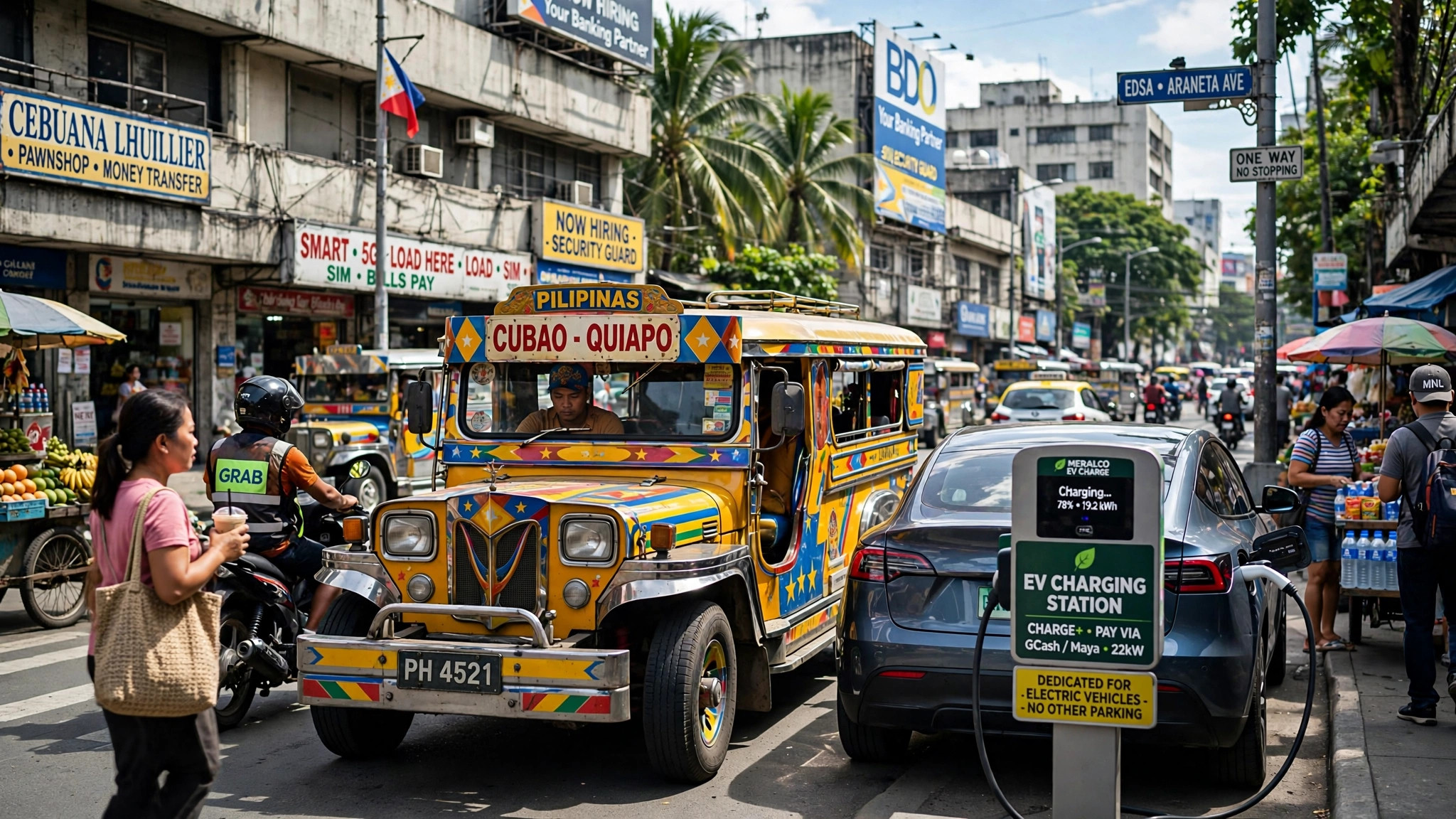
EVIS concentrates rather than spreads. Reporting by Gulf News and Nikkei Asia describes support for as many as four EV models, with up to PHP 15 billion each in fiscal support, paid through tax payment certificates that companies can use against income tax, value added tax, excise duties and import tariffs. To qualify, a company must invest at least PHP 5 billion or commit to producing 10,000 units a year within three years. The program replaces the older Comprehensive Automotive Resurgence Strategy and the RACE program, which supported conventional vehicle production with up to PHP 27 billion, and it arrives as Philippine EV sales surge: sales rose 132.7 percent year on year to 31,381 units in the first half of 2026, even as conventional vehicle sales fell 11.4 percent. Energy Secretary Sharon Garin has argued, in paraphrase, that the Philippines should build EVs rather than only consume them, and that local production could cut retail prices by as much as PHP 200,000 per vehicle.
Thailand’s design: import first, produce later, at scale
Thailand chose almost the opposite sequence. Its EV 3.0 and EV 3.5 programs let brands import vehicles at reduced duty and low excise, on condition that they offset those imports with local production at set ratios in later years. The current EV 3.5 framework, covering 2024 to 2027, pairs consumer subsidies that step down over time with a 2 percent excise rate for battery electric vehicles and Board of Investment privileges including corporate tax holidays. The result is manufacturing scale: Thailand produced 70,914 battery electric cars in 2025, according to figures cited in Gulf News analysis, and its supply chain can source roughly 80 to 90 percent of vehicle components locally. The weakness now showing is dependence on the condition itself. Industry groups warned in 2026 of a cliff when EV 3.5 ends in 2027, after which makers may no longer be obliged to offset imports with Thai production, and associations proposed sharper tax differences between imported and locally built vehicles. Thailand bought factories with temporary privileges, and must now convert temporary obligation into permanent competitiveness.
Vietnam’s design: the champion, not the cheque
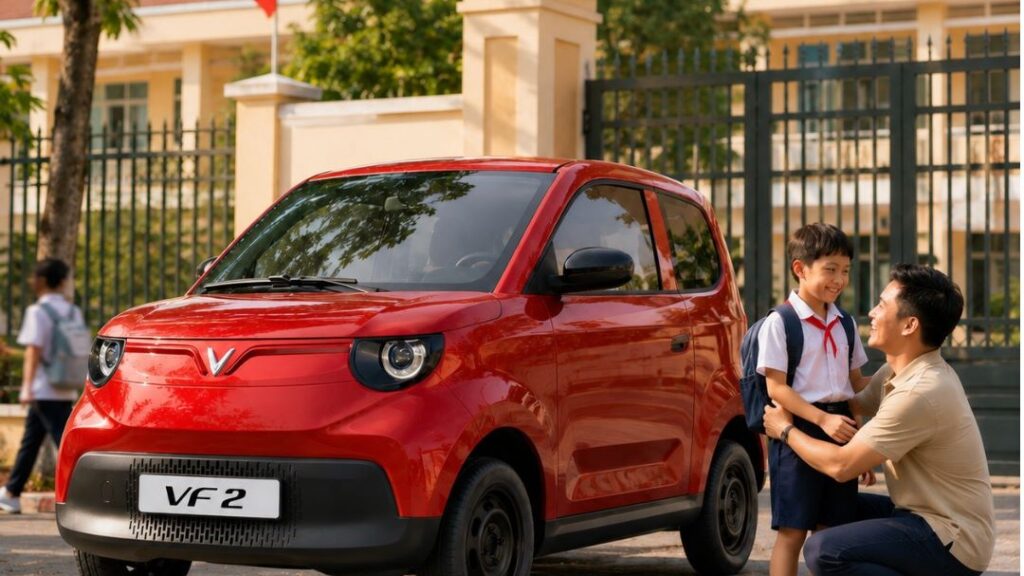
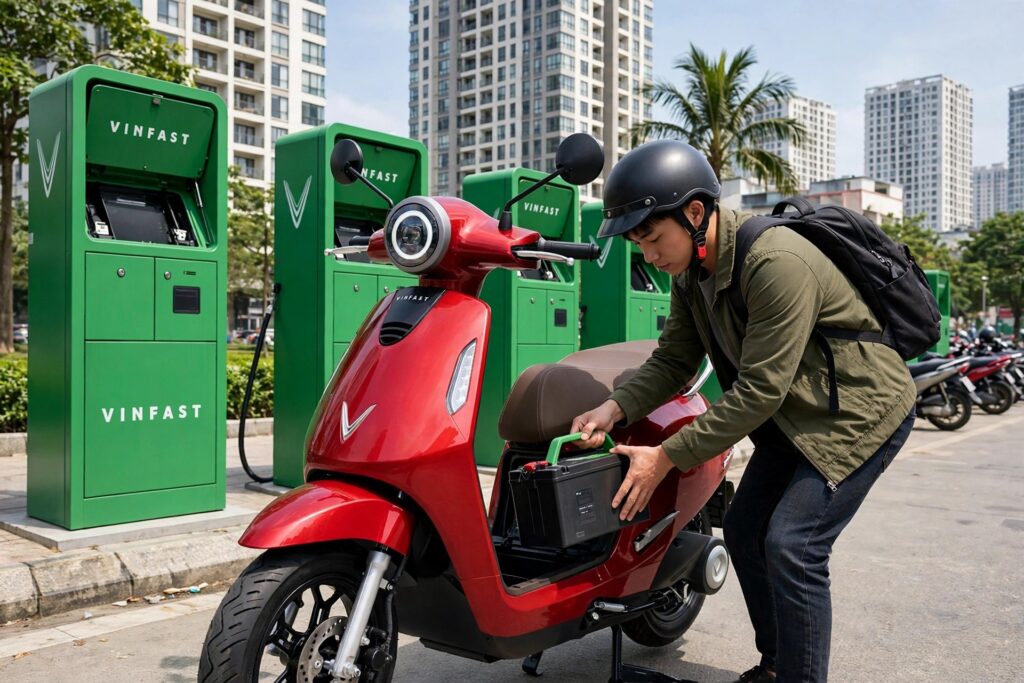
Vietnam wrote the smallest cheque of the three and built the largest domestic brand. Its model centers on a national champion, VinFast, supported by demand side measures such as registration fee exemption for battery electric vehicles, extended in recent years, and a special consumption tax advantage, rather than by production subsidies open to all comers. The champion built its own battery supply through VinES, its own charging network through V-Green, and export plants abroad. Gulf News noted simply that VinFast has established a significant domestic EV manufacturing base, a base built as a vertically integrated group rather than assembled from incentive applications. The strength of the model is coherence: vehicles, batteries, charging and sales move together. Its risk is concentration: the national industry and one group’s balance sheet are closely linked, and rival brands face a home market where the champion also owns much of the infrastructure.
Three designs, three different bets
Placed side by side, the programs pay for different things. EVIS pays for commitment, rewarding a few makers that cross high investment and volume thresholds with deep, flexible tax certificates. Thailand’s EV 3.5 pays for sequence, trading early import access for later local production across many brands. Vietnam pays for ecosystem, using demand incentives and a champion’s own capital to integrate the chain. The demand context differs too. Philippine buyers already show price sensitivity that favors EVs on running cost, with energy costs reported around PHP 2 per kilometer against PHP 7 to PHP 8 for conventional cars, yet they hesitate over charging, battery repair and resale value. Thailand’s buyers were pulled by subsidies that are now tapering. Vietnam’s buyers were pulled by a domestic brand with national reach. Incentive design has to match the hesitation it faces, and Manila’s hesitation is industrial, not only consumer: high electricity prices approaching PHP 15 per kilowatt hour for industry, a thin components base and heavy dependence on imported completely built vehicles.
Early signals and the niche question
The first responses are instructive and mixed. Mitsubishi Motors Philippines has announced a PHP 7 billion investment to assemble hybrid vehicles at Santa Rosa in Laguna, with production targeted for mid 2028. BYD, the market leader through its local partner, has said local assembly is not currently part of its plans, while Toyota has indicated openness to the program. Analysts cited in regional coverage suggest Manila should not try to copy Thailand plant for plant. The credible niches are light duty and commercial EV assembly, and the battery chain built on Philippine nickel, where one estimate from Arthur D Little puts potential foreign investment in downstream processing and cathode production at up to USD 2 billion, and where the country’s first EV battery plant in New Clark City, Tarlac, is targeting 2 gigawatt hours of annual production by 2030. EVIS succeeds if its four deep slots anchor exactly that kind of chain. It fails if the certificates are claimed for assembly that imports everything except the labour.
The verdict the data supports
Manila is not too late, but it is last, and its program reads as a lesson from neighbors: concentrate support, demand volume, set a deadline, aim at a niche. Thailand proves incentives can build scale and still leave a cliff. Vietnam proves a champion can build an ecosystem and still concentrate risk. The Philippines is betting USD 1 billion that a third path, few makers, deep support, battery materials at home, can compress decades of catch up into one program cycle. The first real evidence will not be the signing ceremony. It will be which makers cross the PHP 5 billion threshold, and what their supplier lists look like when they do.
Related reading
- Southeast Asia’s EV Scoreboard, First Half 2026
- 23,624 Cars in One Month: Reading VinFast’s September Numbers
- India’s Showrooms, Vietnam’s Factory: VinFast’s Export Wager
Sources
Gulf News, August 18, 2026, on Executive Order creating EVIS on July 29, 2026, PHP 60 billion support, up to PHP 15 billion per model, qualification thresholds, first half 2026 EV sales of 31,381 units and Thailand production of 70,914 battery electric cars in 2025. Nikkei Asia via KrASIA and The Edge Malaysia, July to August 2026, on the USD 1 billion manufacturing subsidy, up to 40 percent co funding descriptions and program conditions. Thailand EV 3.5 program summaries and 2026 industry reporting, on import offset production obligations, the 2 percent excise rate and the 2027 program cliff debate.