Vietnam’s semiconductor exports grew at a compound annual rate of 31.8 percent between 2006 and 2025, according to a report by Federal Express Corporation (FedEx) with consulting firm Frost & Sullivan, released on October 13, 2026. Semiconductor imports into Vietnam grew 30 percent a year over the same period.
In absolute terms, the trade is already substantial. Vietnam exported US$32.4 billion worth of integrated circuits in 2023. The report notes the figure underscores how far the country has moved beyond low-value assembly into the region’s core electronics flows.
An ecosystem spread across specialized hubs
The report, titled From AI to EVs: How APAC Semiconductors Drive the Global Innovation Map, puts the Asia Pacific region at the center of the global semiconductor ecosystem. The region accounts for about 58 percent of global industry revenue.
Production is not concentrated in one market. Taiwan leads advanced manufacturing and accounts for roughly 60 percent of worldwide foundry output, according to the report. South Korea leads in memory chips, Japan supplies essential equipment and materials, and China acts as a major supplier of materials, a large consumer market and a growing fabrication hub.
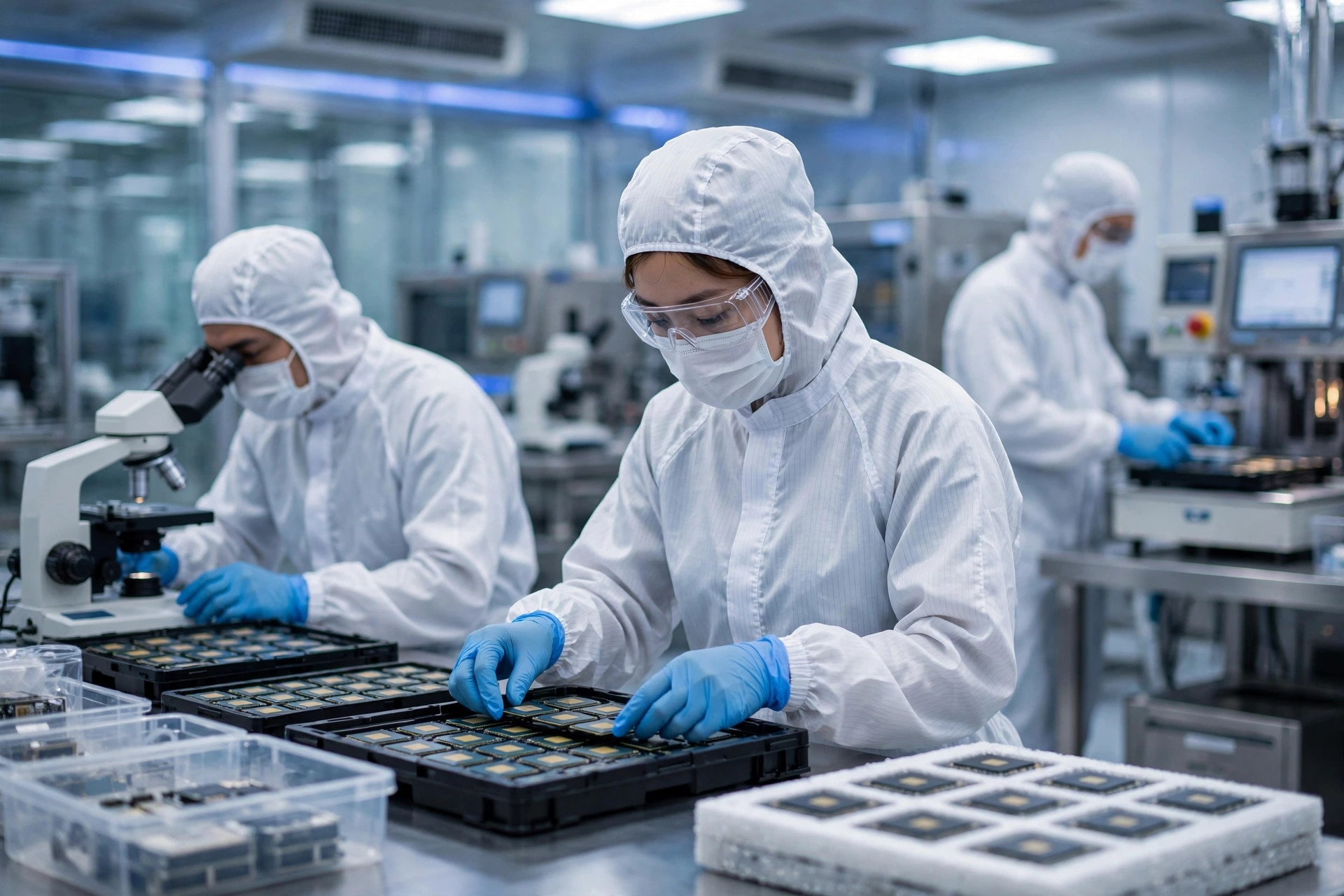
Vietnam, alongside other Southeast Asian countries, is emerging as a hub for semiconductor assembly and testing. The report credits a strong electronics manufacturing base for driving demand for chips and related technologies, while a skilled workforce and cost advantages keep attracting investment from major global firms.
Alongside the hyperscalers, the report also points to small and medium-sized enterprises as important players in this ecosystem. They are benefiting from growing opportunities in high-value niche segments of the chain.
AI infrastructure pulls chip demand higher
The report identifies artificial intelligence and high-performance computing as one of the fastest-growing drivers of semiconductor demand. More than 2,000 new data centers are expected to be built worldwide between 2026 and 2035.
AI demand extends far beyond the chips themselves: high-density servers, networking equipment, cooling systems and power solutions. These technologies often move through several hubs for manufacturing, assembly and testing before deployment, which makes the supply chains behind them more interconnected and more exposed to delay.
Electric vehicles, which need significantly more chips than conventional vehicles, add further demand, together with 5G networks, connected devices, medical equipment and industrial automation, the report says.
What the industry survey says
The findings draw on an on-site survey FedEx commissioned at SEMICON Taiwan in Taipei from September 2 to 4, 2026. It gathered responses from 478 semiconductor industry participants from Asia Pacific, Europe, and North America.
In that survey, 35 percent of respondents said they expect their companies to expand manufacturing into additional Asia Pacific markets over the next three years. Another 25 percent plan to improve or diversify sourcing within the region or globally. Thirty percent cited geopolitical disruption as the most significant challenge to growth, ahead of rising operating costs and cross-border customs complexity.
Speed stood out as the key logistics criterion: 44 percent of respondents identified faster international shipping as the most important capability when selecting a logistics and supply chain partner.
The emphasis on speed and visibility reflects what is being shipped. Semiconductor shipments are high-value and time-sensitive, and a delayed component can hold up production lines in several countries at once.
“Vietnam is becoming an increasingly important part of APAC’s semiconductor ecosystem, as more semiconductor and high-tech companies expand their presence in the country,” said Ee-Hui Tan, managing director of FedEx Vietnam and Cambodia. “As this growth accelerates, reliable and efficient connectivity to key markets will become increasingly important.”
The network upgrades behind the findings
For Vietnamese exporters, the report links the opportunity to connectivity with the region’s major semiconductor and technology hubs. In September 2025, FedEx added an outbound flight from Noi Bai International Airport. Shipments from northern Vietnam now reach Asia and Europe one day faster, with improved reliability for trans-Pacific exports including the United States and Canada.
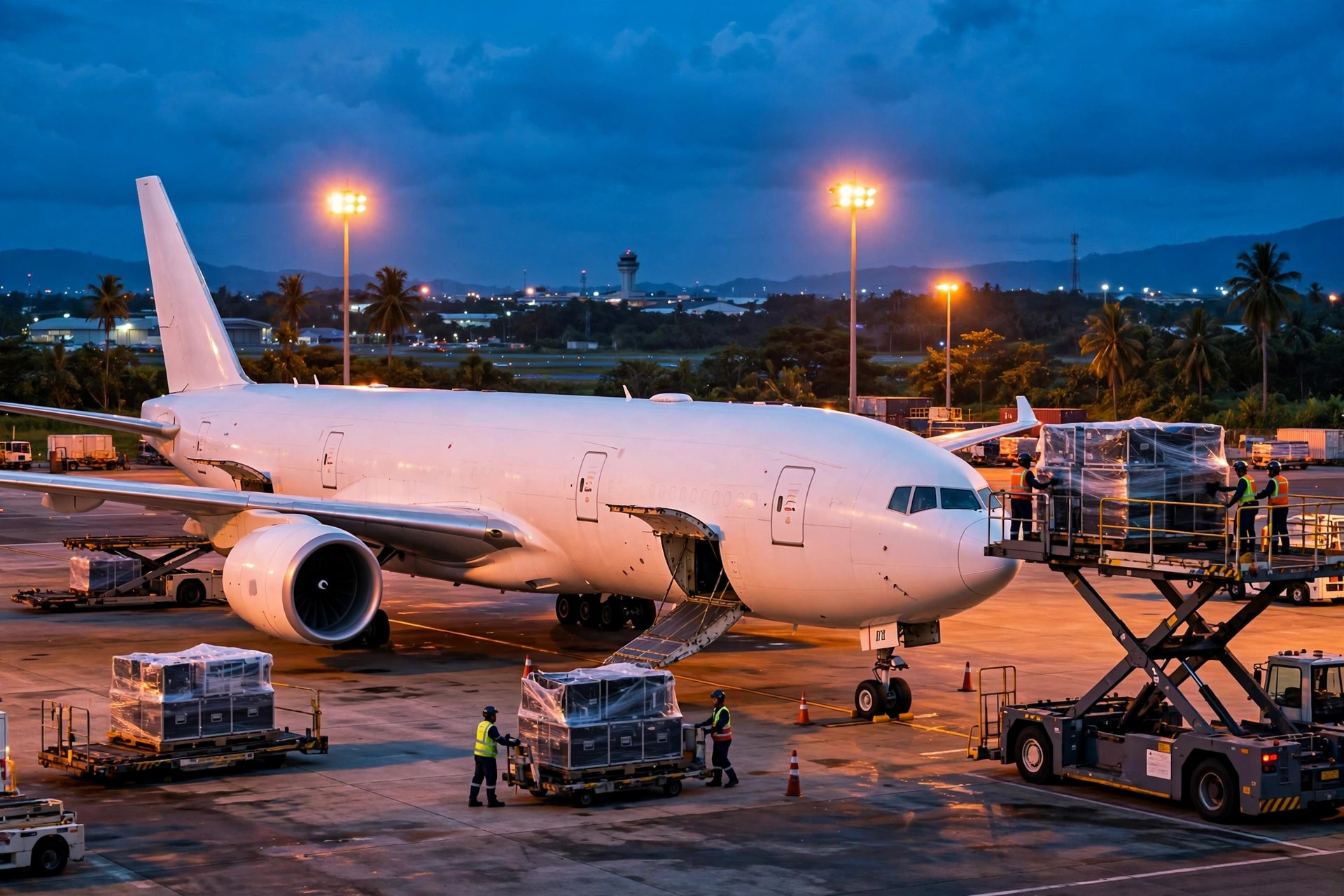
The Vietnam upgrade is part of a wider regional build-out. FedEx has introduced daily direct flights between Taiwan and South Korea, extending cutoff times by more than three hours for high-tech customers. It has also expanded its Taoyuan Transshipment Center in Taiwan to handle growing volumes of semiconductor and advanced technology shipments.
None of this guarantees Vietnam a lasting share of the region’s chip trade. But the report’s logic is sound. As design, fabrication, packaging, testing, and deployment spread across more countries, the value of a part increasingly depends on how fast and how visibly it can move between them. For Vietnamese firms joining these chains, the practical question is shifting from whether they can produce to whether they can deliver on the region’s timetable.
Sources: FedEx Newsroom, FedEx enhances network from northern Vietnam; FedEx Newsroom, first direct flight between Taiwan and South Korea; FedEx Newsroom, expanded Taiwan transshipment center; FedEx, semiconductor industry trends