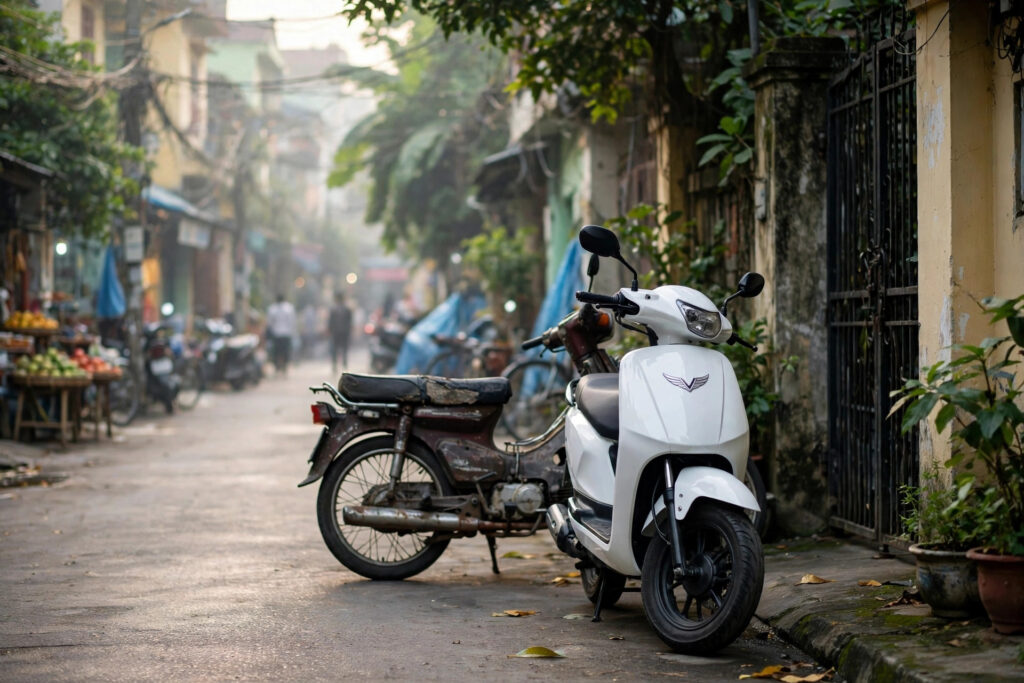
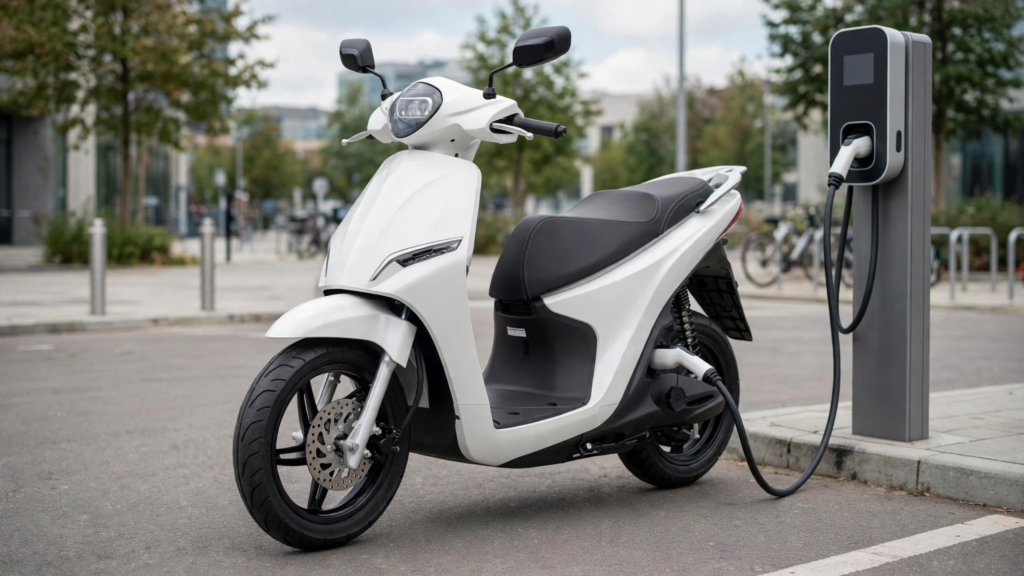
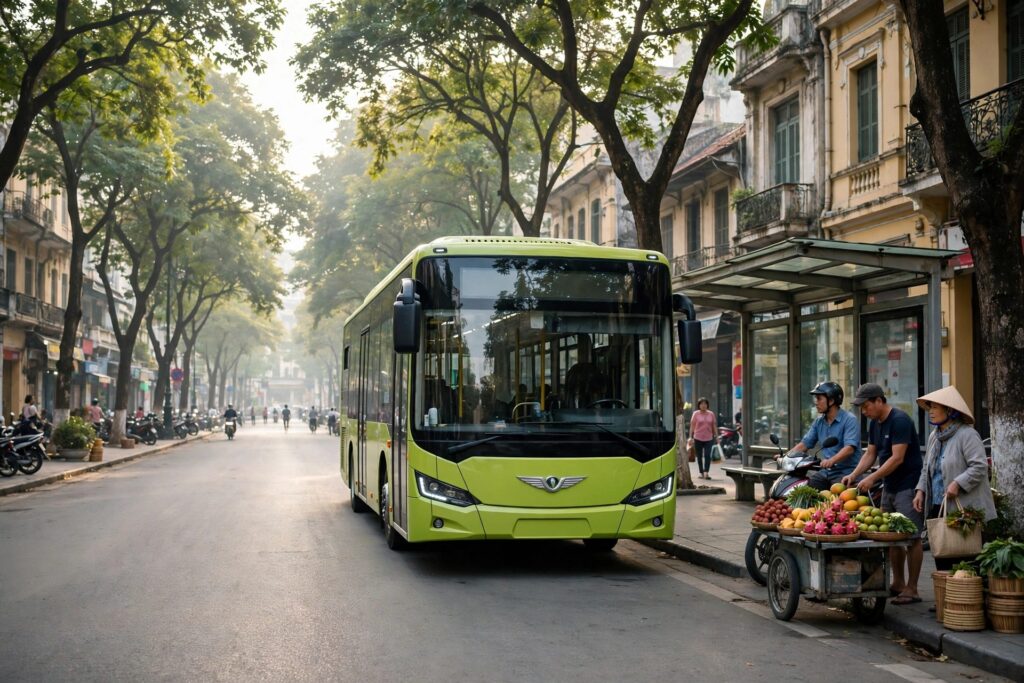
For many Vietnamese households, the decision to switch to an electric car rarely fails on technology. It fails at the first payment. VinFast is now attacking that obstacle directly: under a program the company calls Mua xe 0 đồng, or Buy a Car for Zero Dong, eligible buyers can finance up to 100 percent of the vehicle’s price, according to the company.
Why the upfront payment decides the purchase
A car in Vietnam costs hundreds of millions of dong, and the share a buyer must hold in savings before signing can equal several years of careful budgeting for a young family. Waiting until the full price is saved can push car ownership years into the future. The alternative, draining the family reserve, leaves nothing set aside for children, health care or emergencies. Small business owners face the same trade-off in another form: money locked into a vehicle is money no longer available as working capital.
A zero-down-payment structure changes the shape of that decision, according to the company. The purchase becomes a monthly cash-flow question rather than a savings mountain, and households can keep their buffer intact while the car goes to work from the first month. Families no longer have to choose between owning a car soon and keeping a financial cushion.
The timing matters because Vietnam’s electric fleet is still young. Many first-time car buyers are also first-time EV buyers, so the financing structure around a first purchase shapes habits for the decade ahead: which brand a household starts with, how it charges and what it expects a car to cost each month.
Discounts of 3, 5 and up to 9 percent, depending on the model
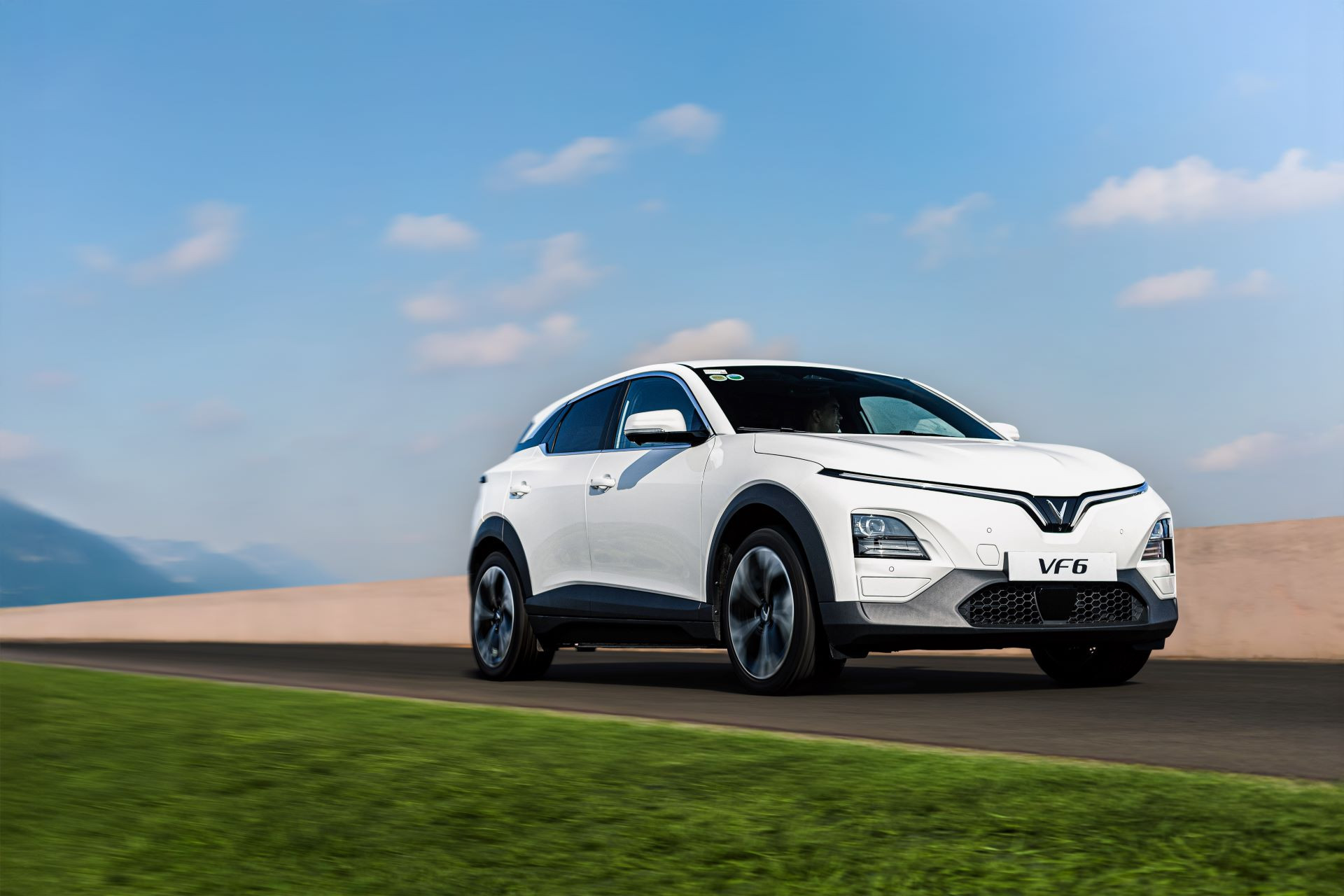
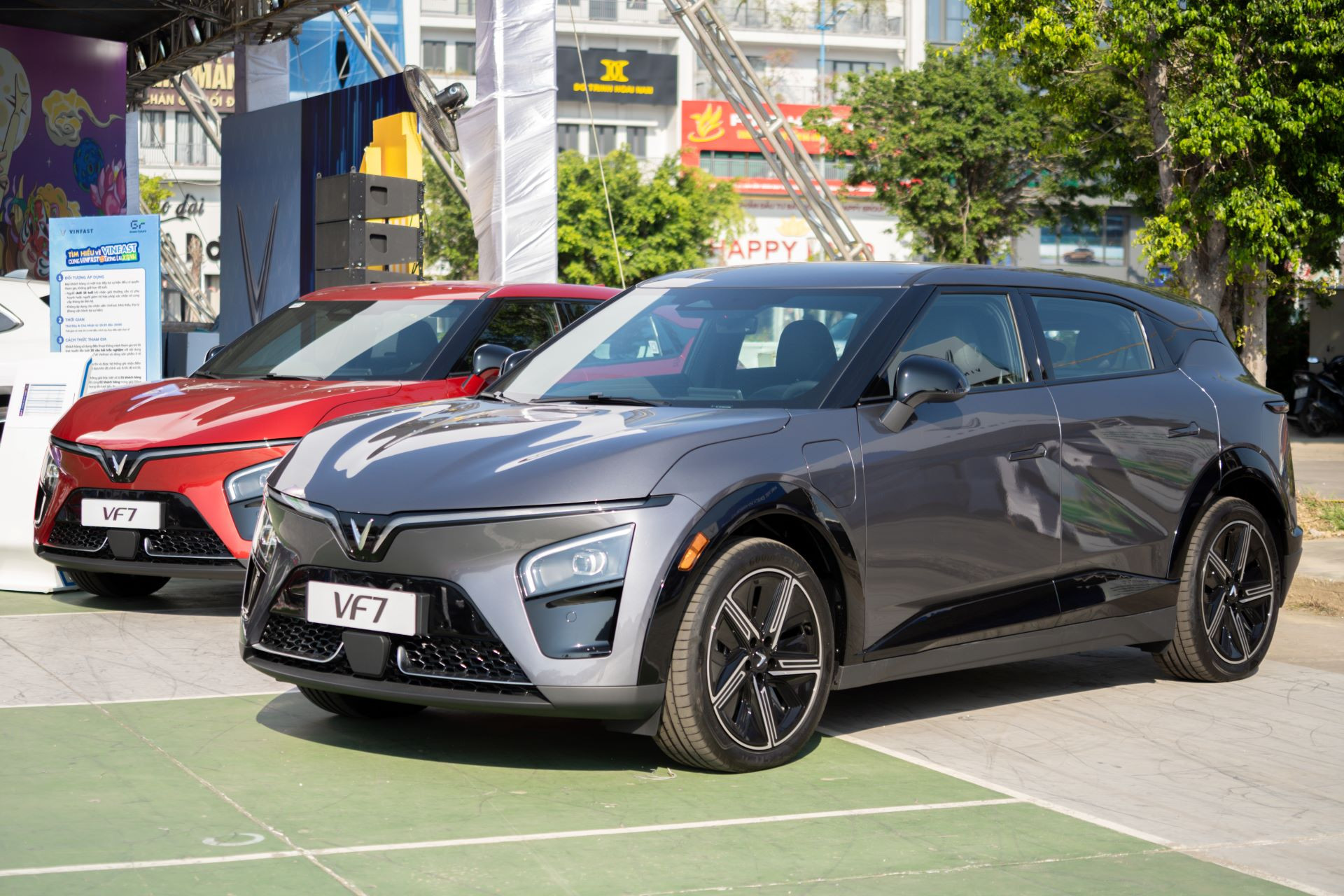
Layered on top of the financing is the second round of the company’s For a Green Future program, Vì tương lai xanh in Vietnamese, which cuts the purchase price directly. The VF 2, Minio Green and VF 3 receive 3 percent. The EC Van, VF 7, the new-generation VF 8, VF 9 and the Lạc Hồng 900 LX receive 5 percent. The top tier of 9 percent covers the VF 5 and Herio Green, the VF 6, the VF MPV 7, the Limo Green and the previous-generation VF 8, according to the company.
On vehicles priced in the hundreds of millions of dong, the company notes, a 9 percent cut is worth tens of millions of dong, a meaningful sum against a household budget. The structure also spans the range: the VF 3 and VF 5 target city driving, the VF 6, VF 7 and larger SUVs target families upgrading space and comfort, and the VF MPV 7 and Limo Green target buyers who carry many passengers, including transport businesses weighing the Limo Green discount against daily operating costs.
Free charging until February 2029 reshapes running costs
The third layer applies after delivery. Owners charge free of charge at the V-Green network until February 10, 2029, according to the company. Energy is one of the largest recurring costs of car ownership, and frequent drivers feel it every month. Removing that cost for more than two years strengthens the low-running-cost case that sells electric cars in the first place, and for transport operators it feeds straight into the margin on every trip.
The push lands in a market already moving quickly. VinFast revenue rose 85.5 percent in the second quarter of 2026, and household experiments such as pairing rooftop solar with an EV in the driveway show how ownership economics keep shifting toward electric models. Readers following the company’s trajectory can also revisit how VinFast’s second-quarter growth was built for the wider context behind these offers.
None of this removes the need for buyers to test a monthly repayment against real income; financing the full price is a tool, not a shortcut. But by combining zero down payment, model-by-model discounts and years of free charging, VinFast is addressing all three cost layers of EV ownership at once: getting in, buying in and running the car. For international readers watching Vietnam’s adoption curve, the entry price of that curve has just moved.