Rooftop Solar Can Now Sell Half Its Surplus: Decree 243/2026 Explained
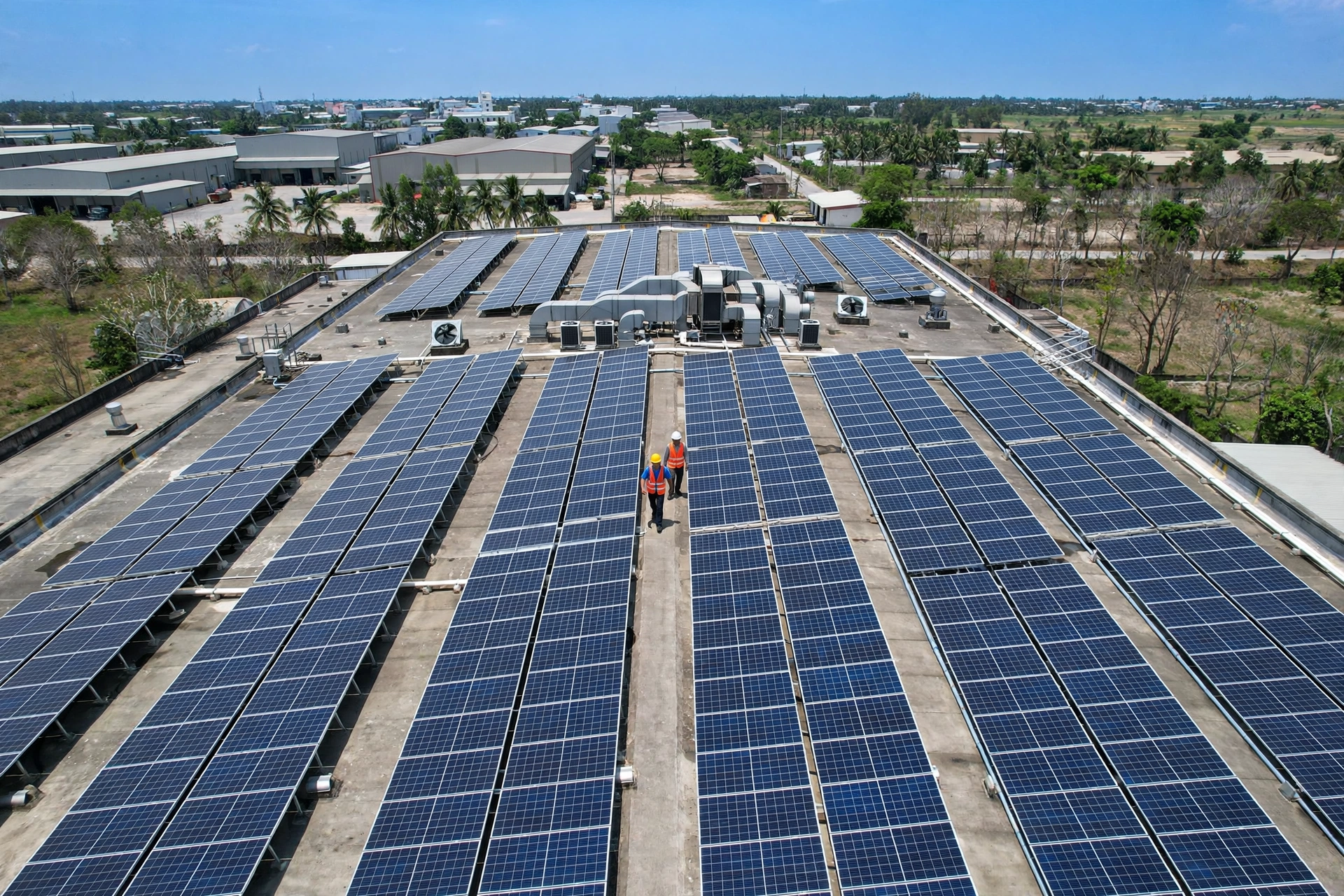
The economics of a factory rooftop in Vietnam changed on 26 June 2026. Decree 243/2026/ND-CP, signed and effective the same day, more than doubles the share of surplus rooftop solar electricity that a self generation system may sell, from 20 percent to 50 percent of output, and it loosens the rules around direct power purchase at the same time.
Document facts
Issuing body: Government of Vietnam
Document number: Decree 243/2026/ND-CP, amending Decree 57/2025/ND-CP on direct power purchase and Decree 58/2025/ND-CP on renewable and new energy development
Signed: 26 June 2026
Effective: 26 June 2026
Status: In force
Unofficial English summary for reference only. Not a legal translation and not legal advice. The Vietnamese text linked at the end of this page is authoritative.
What the document does
Decree 243/2026 amends the two decrees that have structured Vietnam's new power market since March 2025. Decree 57/2025 sets the direct power purchase mechanism, known as DPPA, under which large consumers buy renewable electricity directly from generators. Decree 58/2025 details the development of renewable and new energy, including the rules for self generated, self consumed power such as rooftop solar on factories, warehouses and homes.
The headline amendment concerns surplus electricity from self generation systems. A rooftop system built mainly to supply its own site usually produces more than the site can use at sunny midday hours. The question the decree answers is how much of that surplus may be sold, to whom, and at what price.
What changes in practice
The cap on surplus sales rises from 20 percent to 50 percent of the system's generation, measured at the output of the inverter. That measurement point matters: it is the electricity the system actually produces, not an estimate, and it is the basis on which the 50 percent is calculated.
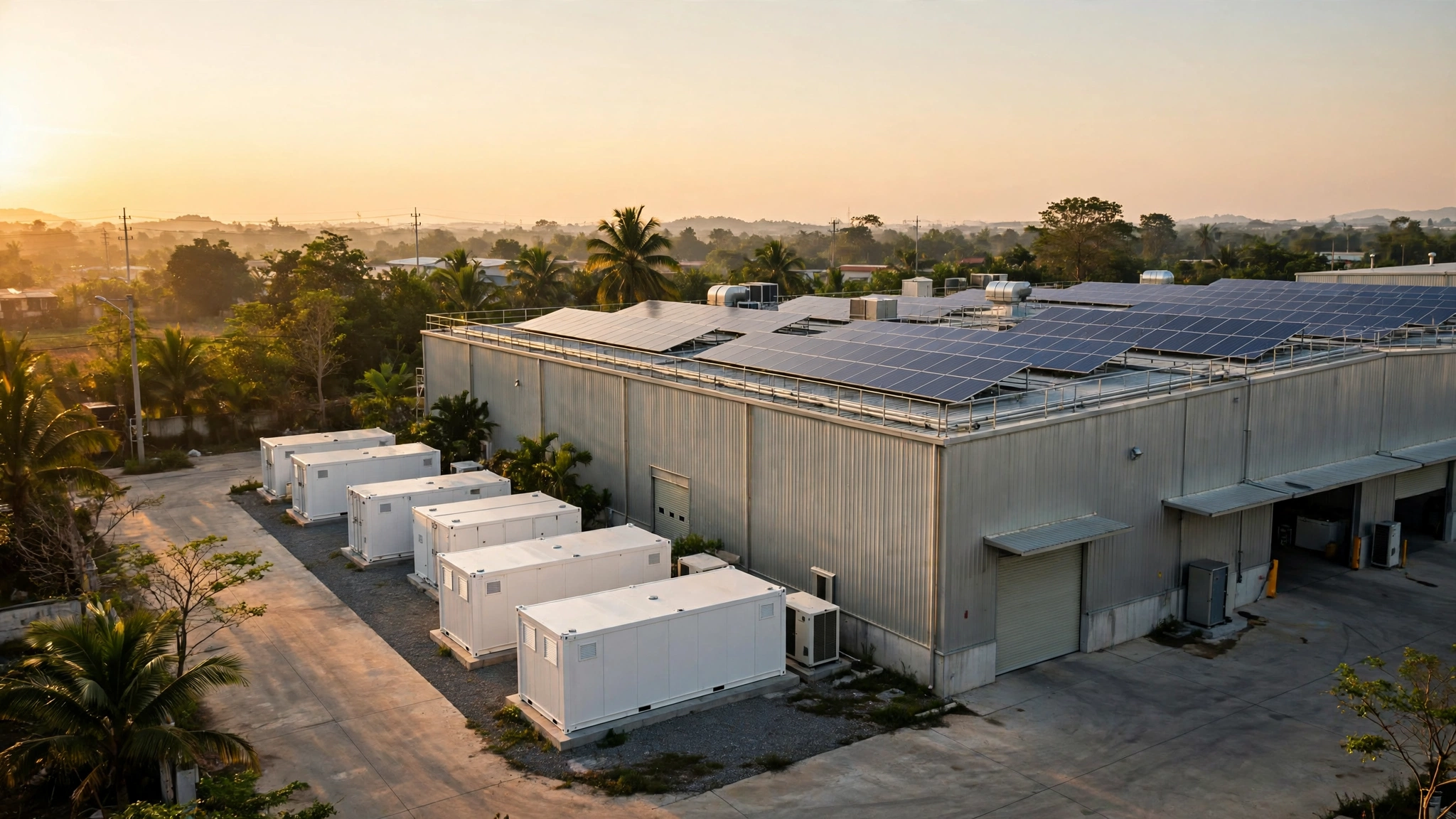
Two further changes widen the door. First, electricity discharged from a storage system that was charged by the rooftop array now counts as surplus solar electricity for the first time, which means pairing panels with batteries no longer strands stored energy outside the sales rules. Second, the 50 percent ceiling is not absolute during the transition: until 31 December 2030, the seller and the buyer may agree a higher surplus ratio where the local grid can absorb the power and safe operation is ensured. Areas without the national grid, such as mountainous, border and island communities, face no cap at all.
The price rule is formula based. Surplus electricity is paid at the average market electricity price of the preceding year, as published by the system and market operator, and the price may not exceed the top of the price frame for ground mounted solar power. Sales from systems on public asset buildings must also comply with the law on public assets.
Who is affected
Factory and warehouse owners with rooftop arrays are the direct winners, especially exporters whose midday production pattern left them curtailing or wasting surplus under the 20 percent cap. Solar developers and installers gain a stronger sales proposition. Storage providers gain a defined revenue route. On the other side of the meter, Vietnam Electricity and its power corporations remain the default buyers of surplus and the judges of grid capacity, and large consumers using DPPA contracts see the surrounding rules adjusted in the same decree.
Notes for investors and operators
Model the 50 percent cap as the bankable case and anything above it as upside. Vietnam Electricity has been clear in its guidance that sales above 50 percent are not automatic: the buyer assesses, case by case, whether the local network can take the power within technical limits. Projects that need the higher ratio should engage the local power company early and document the grid study before committing capital.
The storage clarification deserves attention in financial models, because it converts batteries from a pure self consumption tool into kit that can support a sales strategy. Finally, note the sunset. The flexibility to agree above 50 percent runs to the end of 2030; from 2031 the 50 percent cap is the ceiling. Contracts signed today should say expressly what happens to surplus volumes when that date passes.
Sources and the official text
Official full text: Decree 243/2026/ND-CP and the new rooftop solar mechanisms (Vietnam.vn, official external information portal, Vietnamese)
Government of Vietnam, Decree 57/2025/ND-CP on direct power purchase and Decree 58/2025/ND-CP on renewable and new energy development, as amended by Decree 243/2026/ND-CP.
Vietnam Electricity guidance on the application of the surplus ratio, June 2026.
About this explainer: this page is an unofficial English summary prepared by VoltViet from the official Vietnamese text, for reference only. It is not a legal translation and does not constitute legal advice. Only the Vietnamese original is authoritative. For decisions with legal or financial consequences, consult the official text and a qualified Vietnamese lawyer.
Related reading
More explainers from the Policy & Law desk, and reporting from the Clean Energy desk.