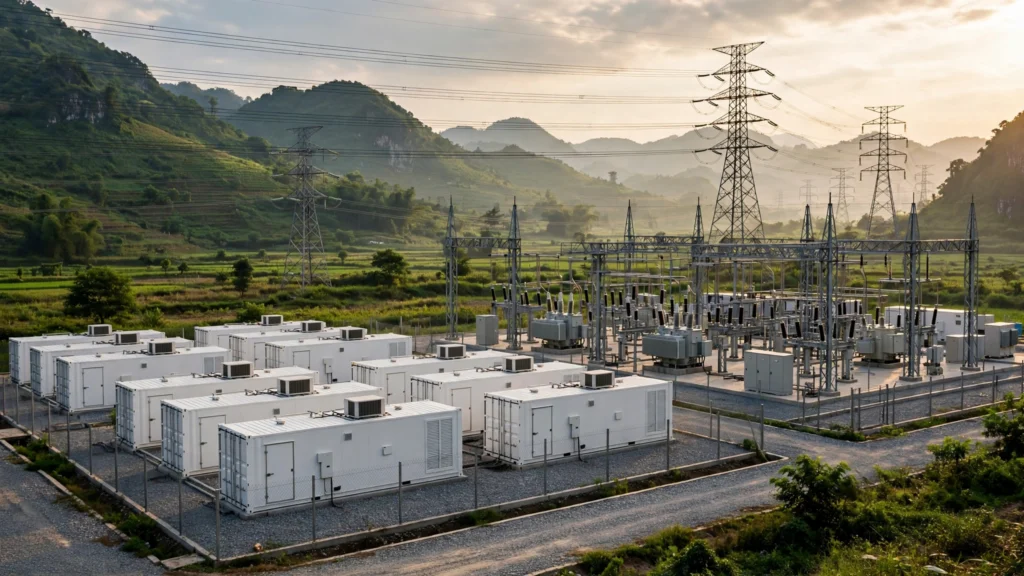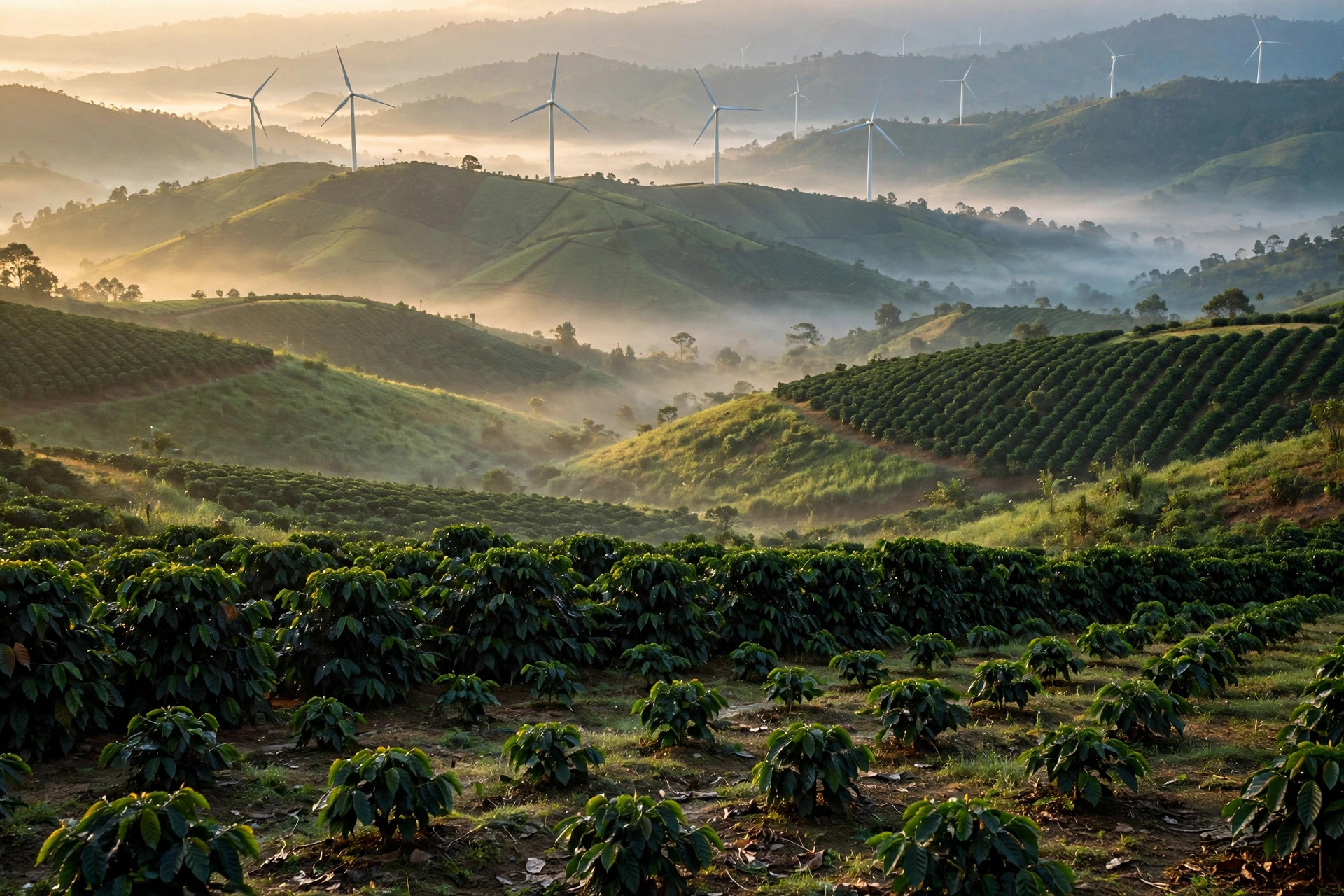
Gia Lai province approved a master plan on October 31 to develop a carbon credit market from its clean power fleet. The provincial People’s Committee says the Central Highlands province now has 85 renewable energy projects in commercial operation with 4,167 MW of combined capacity, and that the plan identifies renewable energy as one of the sectors with the largest potential to cut greenhouse gas emissions and form carbon credit supply.
The scheme’s own numbers illustrate both the scale and the gap. In 2025, the province’s renewable plants supplied the national grid with about 15,479 GWh of electricity, which the plan credits with avoiding roughly 10.2 million tonnes of CO2 a year. Yet only 29 of the 85 plants, totaling 1,264 MW, have completed the process and sold carbon credits, about 30.33% of the operating renewable capacity. The rest generate the same avoided emissions on paper, but capture none of the carbon value.
The gap between clean power and carbon money
The gap is not a failure of generation. It is a paperwork problem with a price tag. Selling a carbon credit means registering a project under an international standard, building a monitoring plan, and paying for independent verification, often over several years, before a single credit can be issued and sold. For plant owners already earning regulated power tariffs, that process has looked like cost with no guaranteed return.
The plan frames the fix as administrative rather than technical. It calls for gradually developing a transparent carbon credit market aligned with the national roadmap, establishing new funding streams for environmental protection and the green transition. In practice, that means registries, accredited verifiers and project pipelines, none of which a single province can conjure quickly.
The timing of the plan is not accidental. Vietnam’s pilot carbon exchange has begun trading in thin volumes, and the national carbon market framework assigns provinces a growing role in project registration and management. A province that moves early to build its administrative machinery, registries, project pipelines and verification capacity positions its projects to sell into both the domestic compliance market and the voluntary market abroad. For the national picture, our carbon market roadmap tracks what changes when auctions and wider coverage arrive, and our global price comparison sets Vietnam’s first trades against the rest of the world.
What the 2030 pipeline looks like
The plan lays out a 2030 horizon with specific capacity figures. Wind power is the largest leg: 45 projects with 3,285 MW of capacity, expected to generate about 9.92 million MWh a year. Solar follows with 24 projects totaling 1,530 MW and about 2.5 million MWh a year. Hydropower adds 47 projects at 578 MW and roughly 1.7 million MWh a year. Two biomass projects at 52 MW would use agricultural residues such as coffee husks, sugarcane bagasse, cassava waste and rice husks, while three waste-to-energy projects would contribute 45 MW.
Taken together, the pipeline would roughly double the province’s current renewable base, from 4,167 MW today toward a 2030 fleet dominated by wind and solar. The figures are the province’s planning targets, not financed capacity, and the plan itself presents them as the supply base the carbon market machinery must be built to serve.
Forests, blue carbon and biogas: the second supply wave
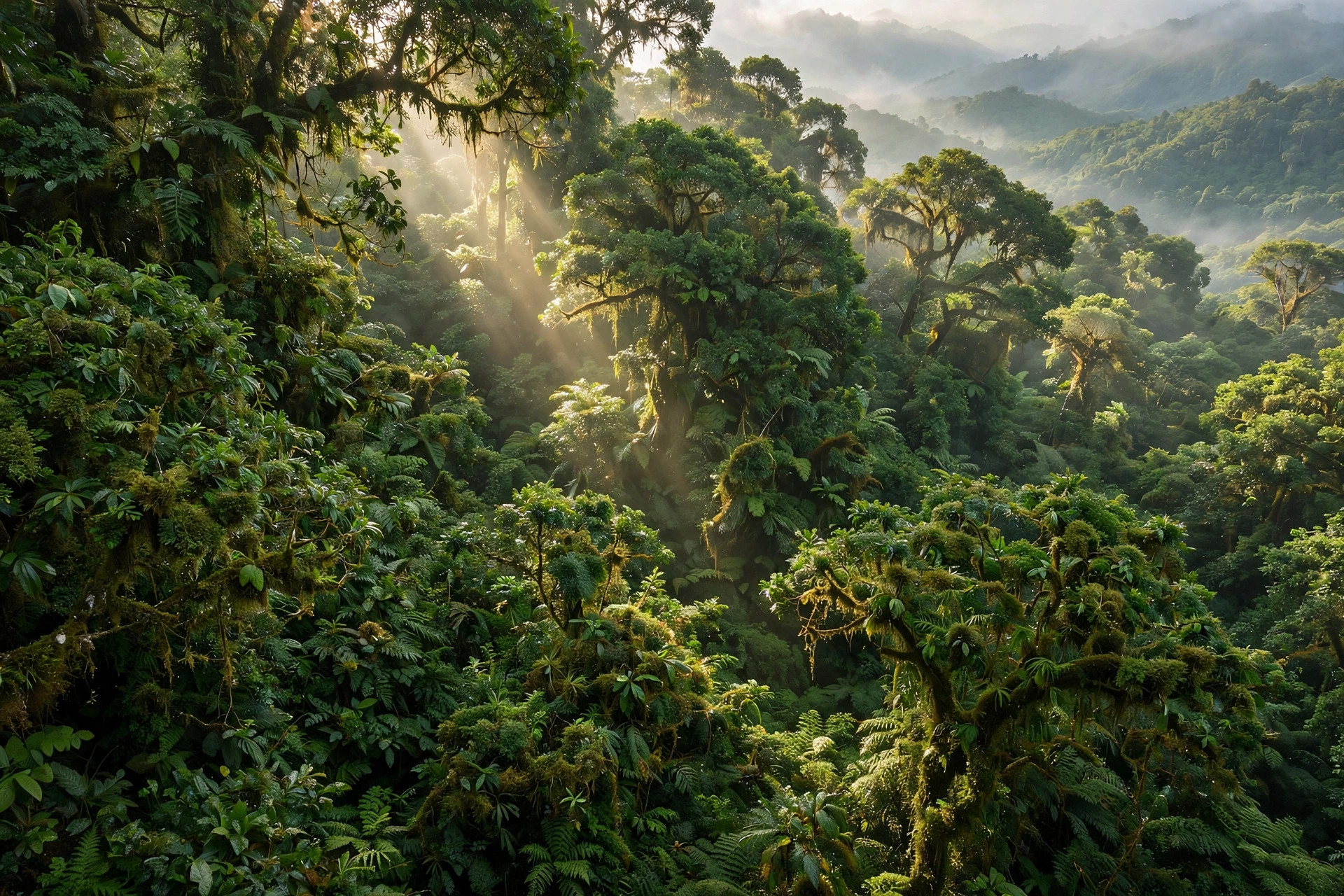
Energy is only half the scheme. Gia Lai also claims more than 1.03 million hectares of forest, including over 692,000 hectares of natural forest, which the plan positions as the raw material for forest protection and REDD+ projects. On the coast, the province counts about 99.5 hectares of mangrove forest, 152.35 hectares of coral reefs and 200 hectares of seagrass beds, opening what the plan calls blue carbon potential. In livestock, some 56,180 household biogas digesters already handle about 1,000 tonnes of manure a day, and capturing methane from that waste for power generation adds a third, smaller credit stream.
This is where the plan gets ambitious, and where the caution flags rise. Forest and blue carbon credits face stricter additionality tests than renewable energy credits, and the voluntary market has spent the past two years repricing exactly these project types after quality scandals. Gia Lai’s figures describe potential, not certified supply. The province will need project developers, auditors and buyers to turn hectares and digesters into issued credits.
Why a province is moving early
The deeper significance is institutional. Under the national carbon market framework, provinces are becoming the level of government at which projects are actually registered, tracked and reported. Decree 396/2026, which moved parts of the carbon registry machinery toward the provinces, made that shift explicit, and Gia Lai’s plan puts the province’s full renewable and forest portfolio behind that shift. Read our explainer on what Decree 396 changes for the mechanics.
Read with the right caveats, the plan is a useful template. It starts from an honest audit, names the registration bottleneck, and links real capacity figures to a timeline. Whether the 30.33% share rises or the 2030 pipeline materializes will depend on the unglamorous middle: verifiers on the ground, registries that work, and buyers willing to pay. That is the market Gia Lai says it is now building.
Sources
Thanh Nien, October 31, 2026, reporting Gia Lai province’s approval of its master plan for developing the carbon credit market: 85 operating renewable projects at 4,167 MW, 15,479 GWh supplied in 2025, about 10.2 million tonnes of CO2 avoided a year, 29 of 85 plants having sold credits (1,264 MW, about 30.33% of capacity), the 2030 pipeline figures, forest and blue carbon potential, and biogas digester statistics. https://thanhnien.vn/gia-lai-giam-phat-thai-102-trieu-tan-co-moi-nam-tu-nang-luong-tai-tao-185261031163558422.htm