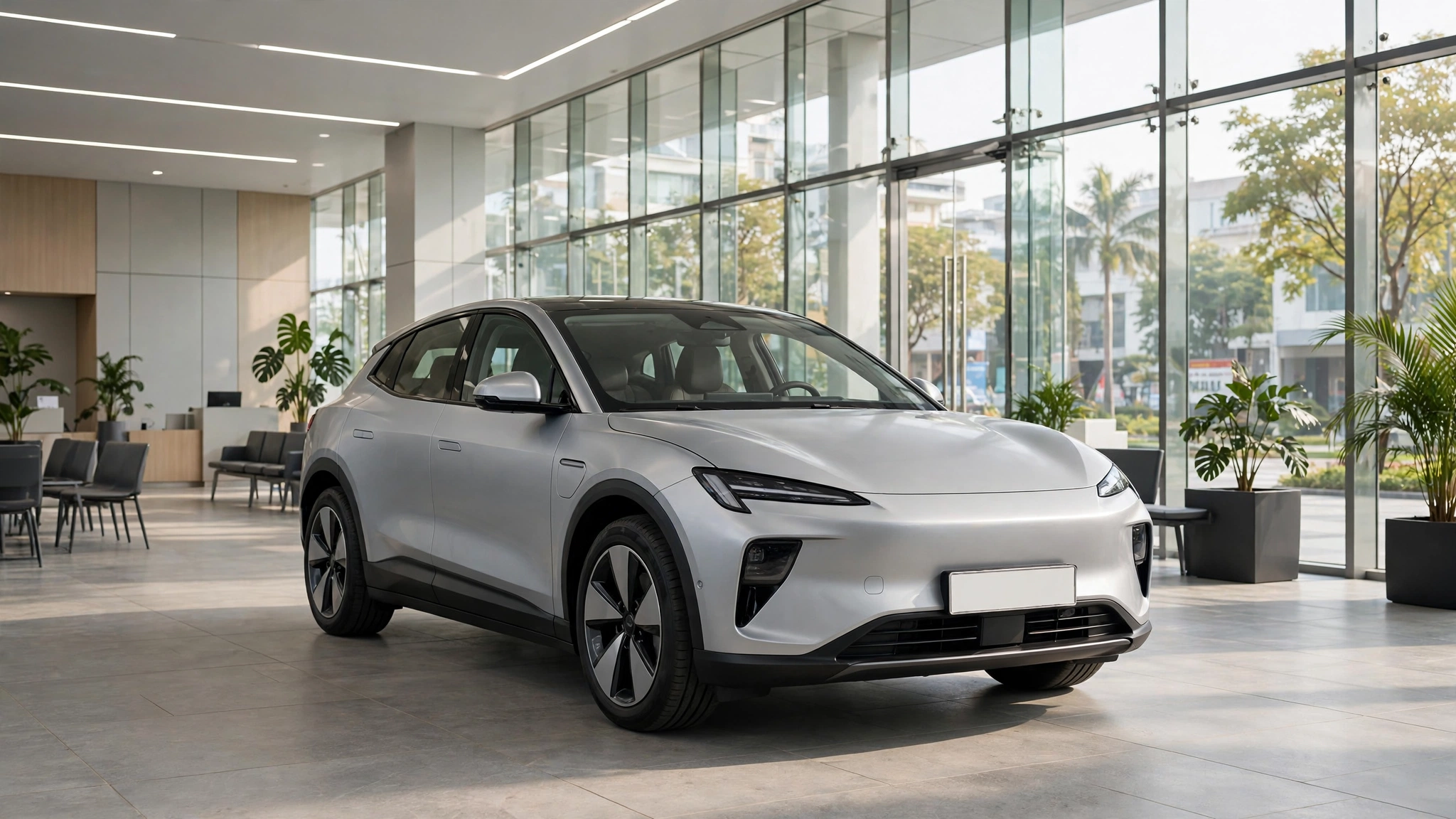
Zero Registration Fee for Electric Cars to 2030: Decree 202/2026 Explained
Vietnam has locked in its longest electric car incentive yet. Decree 202/2026, signed in June 2026, writes a zero first registration fee for battery electric cars into law for a window running from 1 March 2027 to 31 December 2030. It replaces a shorter predecessor decree and removes a price cliff that had been hanging over every electric car sold in the country.
Document facts
Issuing body: Government of Vietnam
Document number: Decree 202/2026/ND-CP, amending Decree 10/2022/ND-CP on registration fees
Signed: 8 June 2026
Effective: 1 March 2027
Status: Issued; the zero rate applies from 1 March 2027 to 31 December 2030 and the decree replaces Decree 51/2025/ND-CP
Unofficial English summary for reference only. Not a legal translation and not legal advice. The Vietnamese text linked at the end of this page is authoritative.
What the document does
Decree 202/2026 is a short, surgical amendment. It rewrites a single provision, point c of clause 5 of Article 8, in Decree 10/2022/ND-CP, the decree that governs the registration fee charged when assets such as cars are registered for the first time. That provision is the one that sets the fee treatment of battery electric cars.
The amended text states that the first registration fee rate for a battery electric car is 0 percent, and it fixes the period during which that rate applies: from 1 March 2027, the day the decree takes effect, through 31 December 2030. The decree also defines its scope carefully. A battery electric car for this purpose is a car classified as running solely on battery electric power under the classification rules of the Minister of Construction.
What changes in practice
The registration fee is a one off charge paid when a car is first registered, calculated as a percentage of the vehicle's taxable value. For petrol cars the standard frame is 10 percent, with Hanoi applying 12 percent, so on a mid priced family car the fee is a visible five figure sum in US dollar terms and a real line in the on the road price. A zero rate removes that line entirely for an electric car.
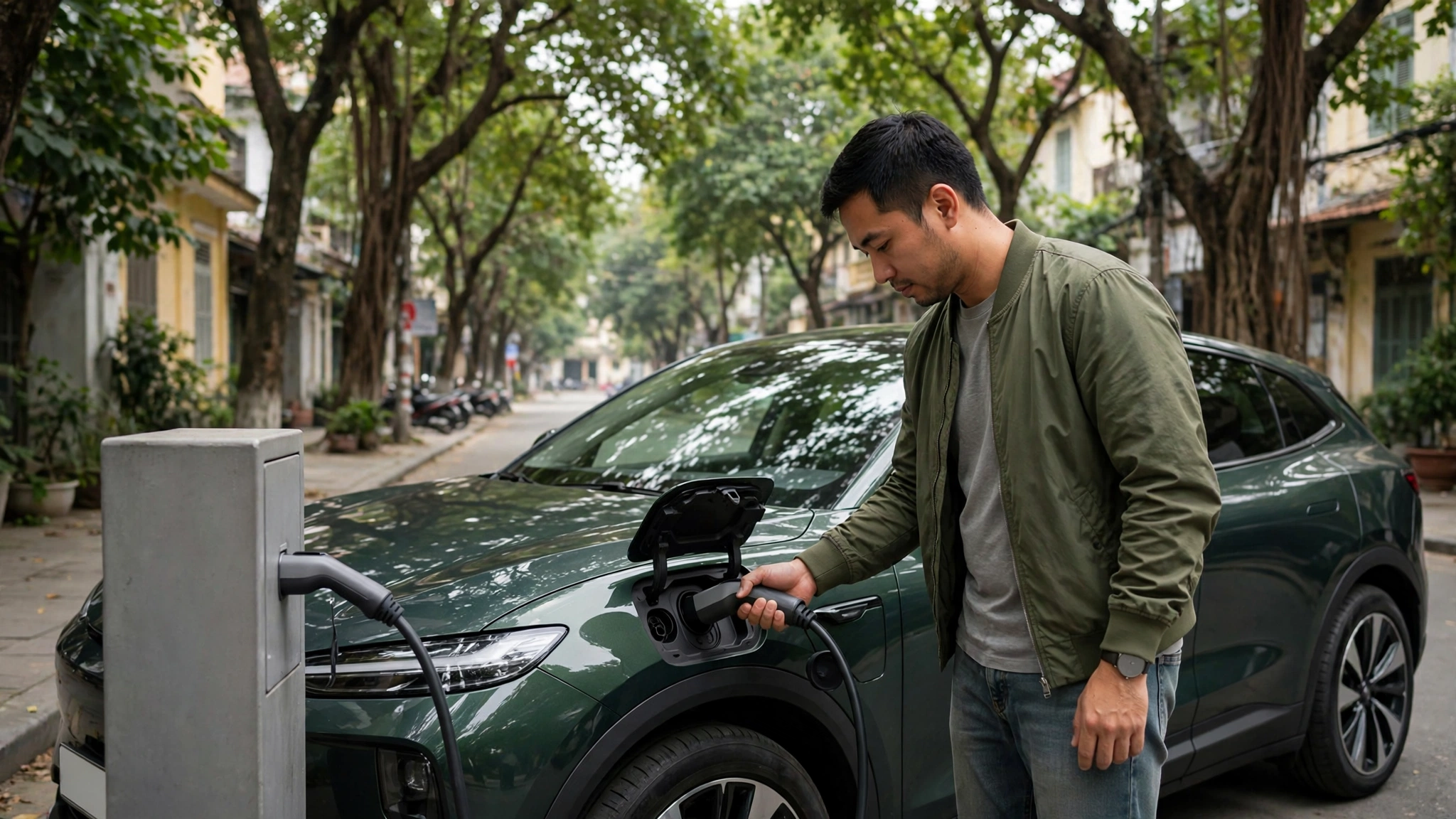
The bigger change is the removal of a step down. Under the original Decree 10/2022 schedule, battery electric cars paid zero for three years from March 2022 and were then due to pay half the petrol rate. Decree 51/2025, issued in February 2025, reset the clock: zero for two years from 1 March 2025, then half rate for the following three years. On that schedule, buyers would have started paying a half fee from March 2027. Decree 202/2026 cancels that step. The zero rate now runs without interruption from the current regime through the end of 2030.
Two limits matter. First, the zero rate covers the first registration only; later transfers follow the general rules. Second, it covers pure battery electric cars only. Hybrid and plug in hybrid models stay outside the zero rate, a distinction that follows the Ministry of Construction classification rather than marketing labels.
Who is affected
Buyers of new electric cars gain most directly, whether private households or companies. Fleet buyers gain at scale: for a taxi or ride hailing operator registering hundreds of cars, the fee saving multiplies per vehicle and feeds straight into fleet replacement economics. Carmakers and importers gain a stable pricing assumption through 2030, because the fee no longer has to be modelled as a rising cost from 2027. Provincial registration offices apply the rate but collect nothing on qualifying cars.
Notes for investors and operators
The first point is certainty. The window is long, close to four years, and it was announced more than eight months before it takes effect, so pricing, marketing and demand planning for 2027 to 2030 can treat the zero fee as settled law rather than a hope. The second point is continuity: because Decree 51/2025 already sets a zero rate until the end of February 2027, there is no gap and no half fee interlude between the two regimes.
The third point is classification risk. The benefit turns on a car being classified as a battery electric car under Ministry of Construction rules, so product planners should confirm the classification of each model before advertising the saving. Finally, read this decree alongside the rest of the 2026 rule stack: the QCVN 32:2026 charging standard and the low emission zone roadmap are shaping where electric cars can charge and where petrol vehicles will be restricted, and the fee exemption lands inside that wider push.
Sources and the official text
Official full text: Official text of Decree 202/2026/ND-CP (Thu Vien Phap Luat, Vietnamese)
Government of Vietnam, Decree 10/2022/ND-CP on registration fees, as amended, for the base fee framework and the earlier incentive schedule.
Government of Vietnam, Decree 51/2025/ND-CP, the predecessor incentive decree replaced by Decree 202/2026.
About this explainer: this page is an unofficial English summary prepared by VoltViet from the official Vietnamese text, for reference only. It is not a legal translation and does not constitute legal advice. Only the Vietnamese original is authoritative. For decisions with legal or financial consequences, consult the official text and a qualified Vietnamese lawyer.
Related reading
More explainers from the Policy & Law desk, and reporting from the EVs & Mobility desk.