India’s Maharashtra state has set a July 2027 deadline for all bike taxi platforms, including Ola, Uber and Rapido, to operate a fully electric fleet. The order positions the state as one of the more aggressive regulators of two-wheeler ride-hailing in Asia.
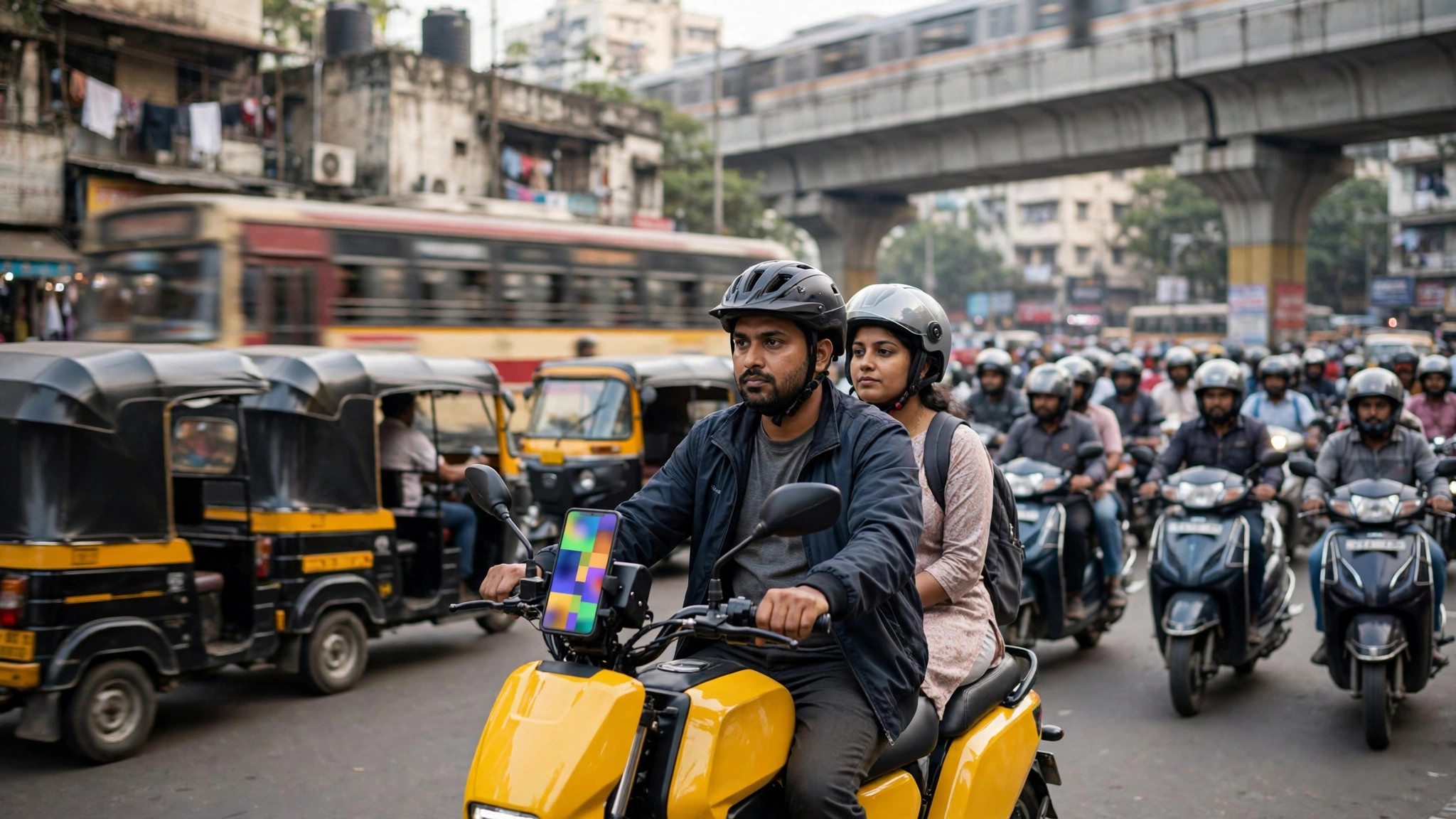
In early October, the state transport department wrote to ride-hailing aggregators and to Regional Transport Offices across Maharashtra, detailing a nine-month phased transition. The direction follows instructions from Chief Minister Devendra Fadnavis and applies statewide, covering the capital Mumbai and major cities such as Pune.
Under the plan, aggregators still running gasoline motorcycles get six months in the first phase to switch to electric vehicles. Operators that have applied for provisional or temporary licenses under the Maharashtra Bike Taxi Rules, 2025 receive an additional three months, extending their total compliance period to nine months.
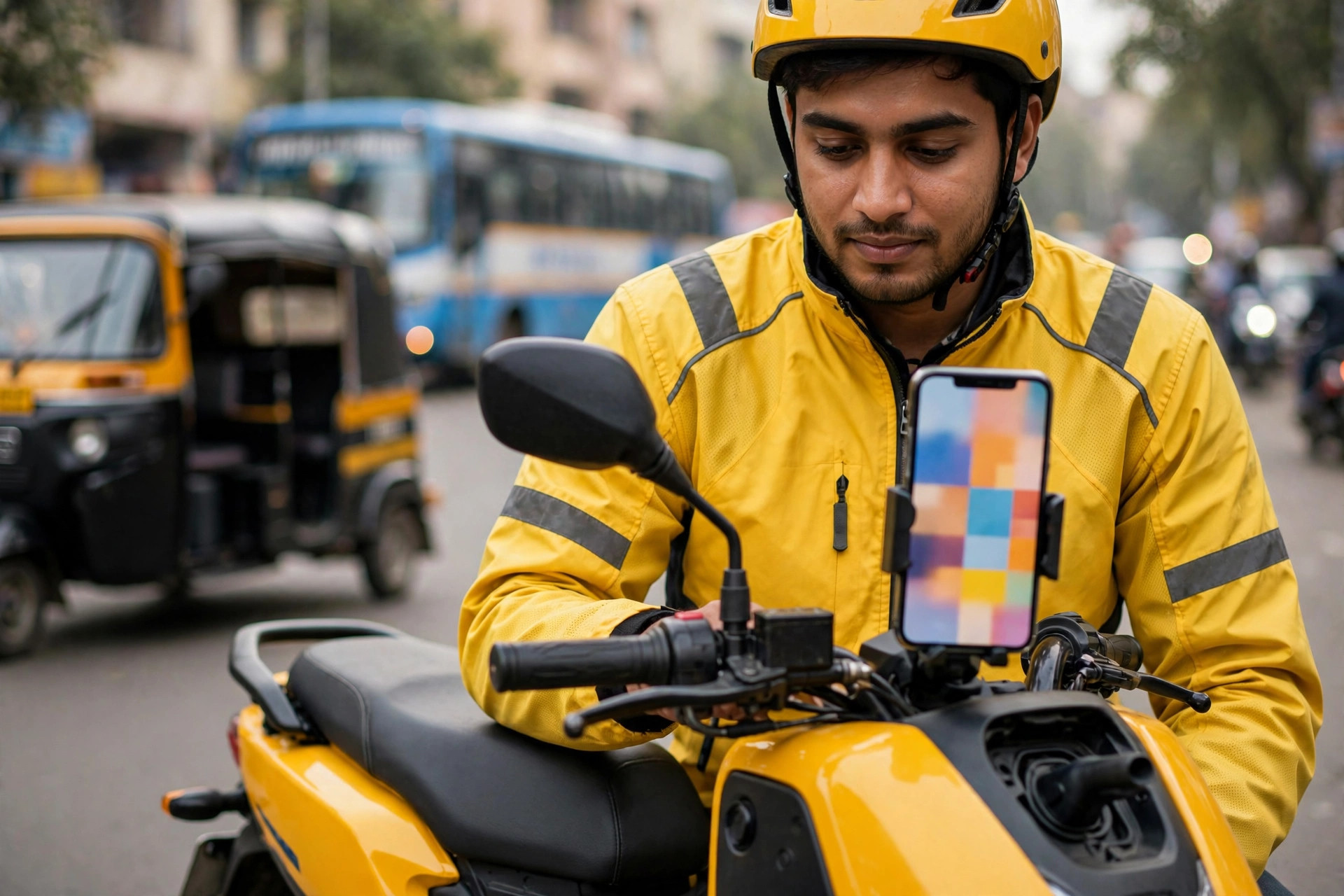
The mandate itself is not new. Since July 2025, the state’s bike taxi rules have required licensed bike taxis to be electric two-wheelers, painted yellow and marked as passenger vehicles. Platforms were first given provisional 30-day licenses to convert, and in March 2026 the state revoked the licenses of operators that failed to comply.
The government has also ruled out a partial compromise. Transport Minister Pratap Sarnaik has said the state considered allowing fleets split evenly between gasoline and electric motorcycles. The state cabinet rejected the idea, reasoning that companies with the financial capacity to switch would still avoid buying electric vehicles because they cost more.
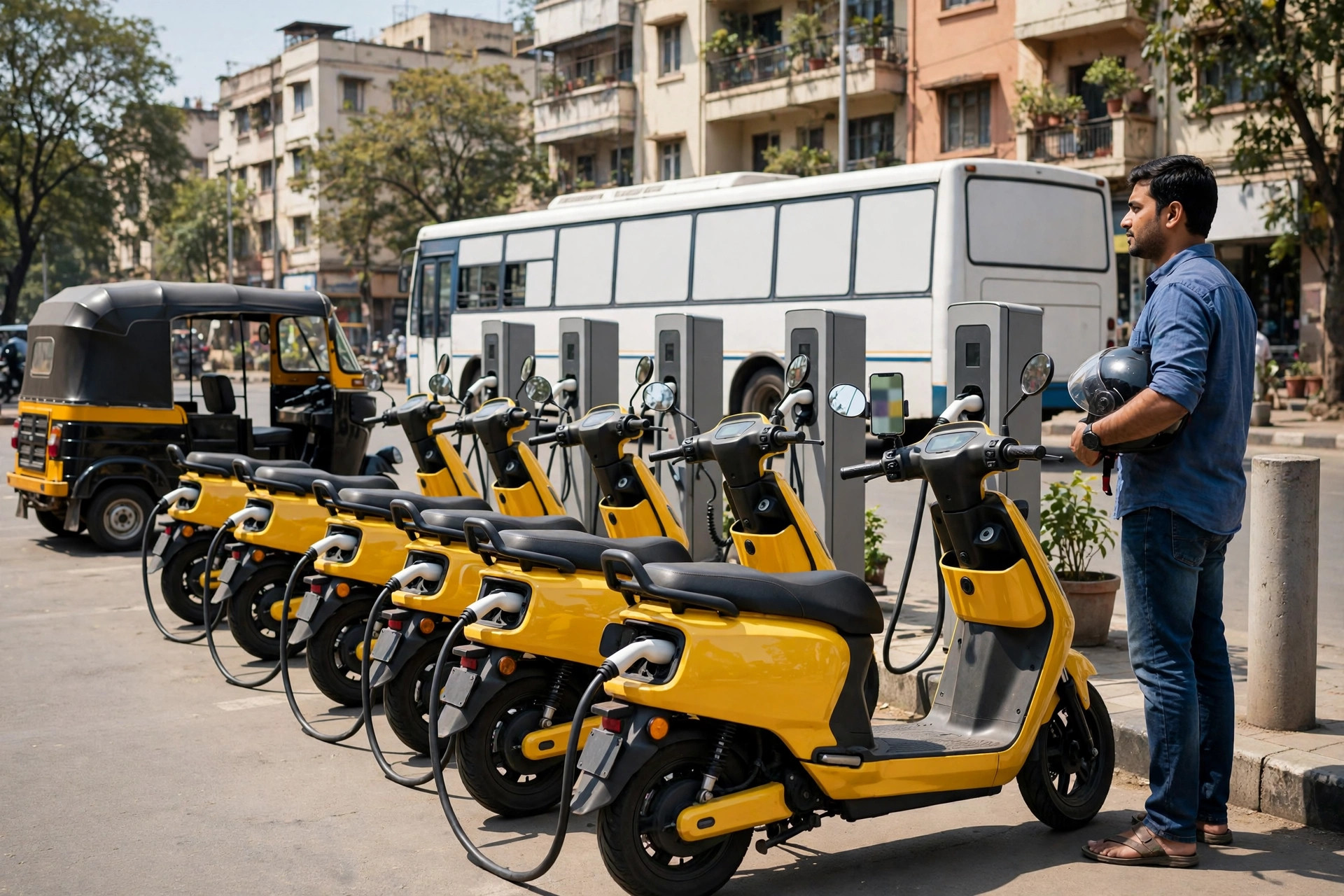
The mandate places significant pressure on drivers. In September, the Maharashtra Bike Taxi Welfare Association asked the government for one and a half years to complete the transition. Its president, Amit Gawde, said most riders come from middle or lower-middle income backgrounds and cannot easily afford a new electric motorcycle outright. He also pointed to limited charging infrastructure and shorter vehicle life as real obstacles.
The aggregators, for their part, had asked for an extension until 2030. They cited the state’s own electric vehicle policy and the time needed to replace large numbers of gasoline bikes. They were granted a nine-month transition period. The state is accompanying the deadline with tougher enforcement against unauthorized bike taxi operations.
For Southeast Asia, where motorcycle ride-hailing is a widespread livelihood, Maharashtra is a test case worth watching. Vietnam’s drivers are moving toward electric motorbikes through market pull rather than a strict deadline, helped by platforms that run their own electric fleets. Maharashtra will test whether a firm cutoff can address the two problems most frequently cited by drivers: the upfront price of the vehicle and the charging network to support it.
Sources: The Indian Express, Maharashtra gives Ola, Uber, others 9 months to switch to 100% EV fleets; The Economic Times, Maharashtra notifies transition timeline from petrol bikes to EVs