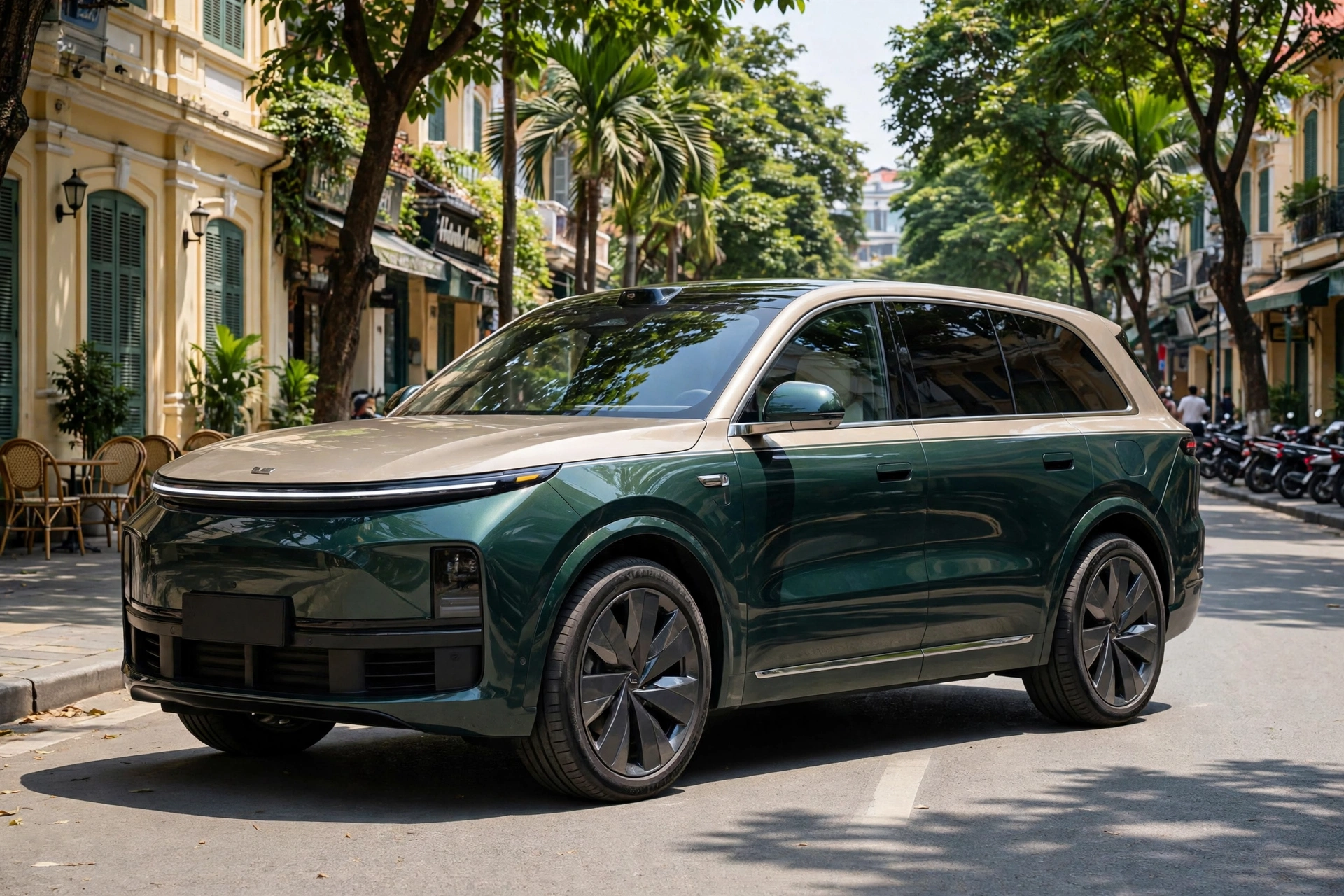
China’s Li Auto is coming to Vietnam, and it is bringing a different answer to a question many electric car buyers ask here: what happens when the charger is far away. On November 10, 2026, the company announced in Beijing that it will enter Vietnam with four premium SUVs, sold through distributor Neera Motors, with a launch planned for the end of 2026. Three of the four use range-extended electric drive, a setup in which the wheels are always driven by electric motors and a small gasoline engine works only as a generator.
Li Auto was founded in Beijing in 2015 and listed on the Nasdaq in July 2020 and the Hong Kong Stock Exchange in August 2021. The company passed one million cumulative deliveries 58 months after its first delivery, and by the end of the third quarter of 2026 its total had passed 1.8 million vehicles. In China, it now runs 883 retail showrooms, 622 service centers in more than 200 cities, and a network of 4,212 fast charging stations. Vietnam is part of a wider push into Southeast Asia and East Asia: the company plans to launch in Thailand on December 1 and in Hong Kong on December 9, after earlier entries in Laos and Macau.
Four SUVs, one bet on range extenders
The lineup shown with Neera Motors covers the premium family SUV segment from end to end. The Li L6 is a five-seat SUV, 4,935 mm long with a 2,920 mm wheelbase, using a 1.5-liter gasoline engine as a generator with two motors for all-wheel drive. Its estimated combined range is about 1,250 km under NEDC conversion. The Li L8 is a larger premium SUV, 5,135 mm long with a 3,045 mm wheelbase, offered in Ultra and Livis versions with steer-by-wire, rear-wheel steering and active suspension on the Livis version, and an estimated combined range of 1,662 km. The flagship Li L9 seats six, measures 5,255 mm with a 3,125 mm wheelbase, comes in Ultra and Livis trims, supports 5C fast charging, and has an estimated combined range of about 1,640 km.
The fourth model is the only pure electric car in the group. The Li 6 is a five-seat all-electric SUV that the company unveiled at the Paris Motor Show in October 2026. Like the L9 it supports 5C fast charging, which the company says can add up to 500 km of range in about 10 minutes under suitable test conditions. All four models carry the same technology package: a 29-inch 6K panoramic display, the Mach M100 driver assistance chip developed in-house by Li Auto, a high-performance LiDAR system, and zero-gravity seats.
The pitch is not performance alone. Li Auto describes itself as a technology company focused on family transport, and the features it highlights are space, comfort and driver assistance rather than speed. That framing matters in Vietnam, where the premium SUV buyer is often buying a family car first and a statement second.
Why Vietnam, and why this technology
The range extender is the core of the strategy. Unlike a conventional hybrid, in which a gasoline engine can drive the wheels, a Li Auto range-extended electric vehicle runs on electric power at all times. The 1.5-liter turbocharged engine only generates electricity to top up the battery. Drivers can run on electric power for daily commutes and keep moving on longer trips or where charging is inconvenient, without waiting for a charger.
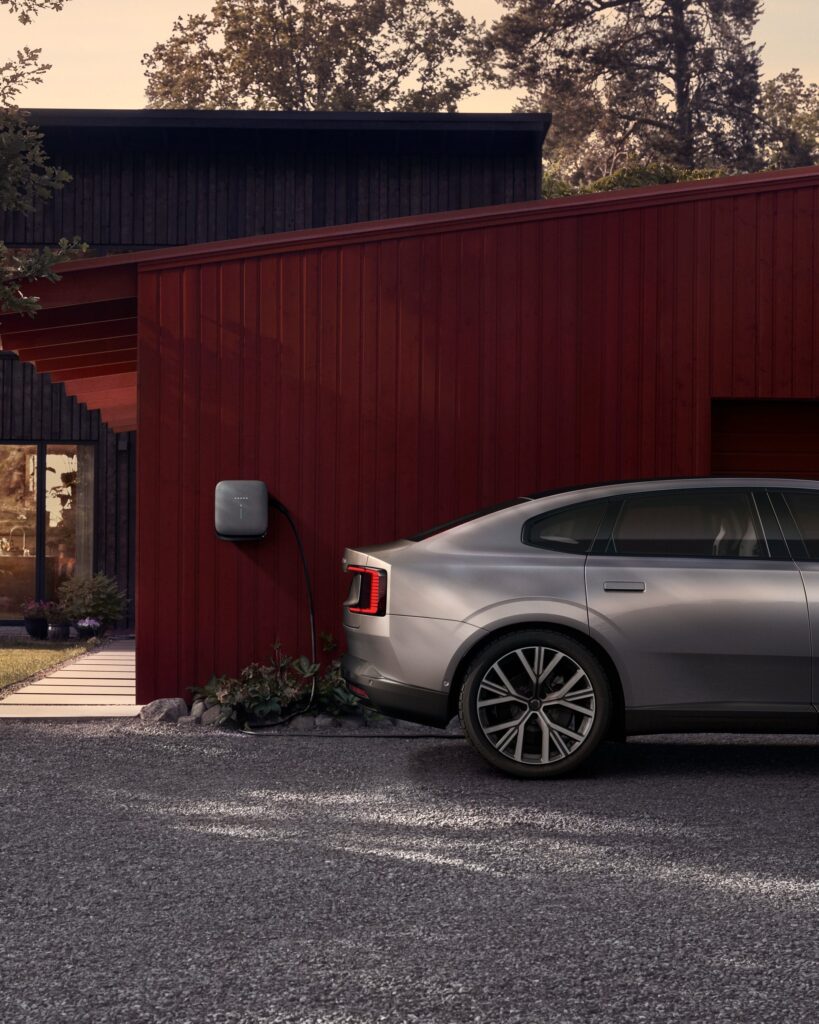
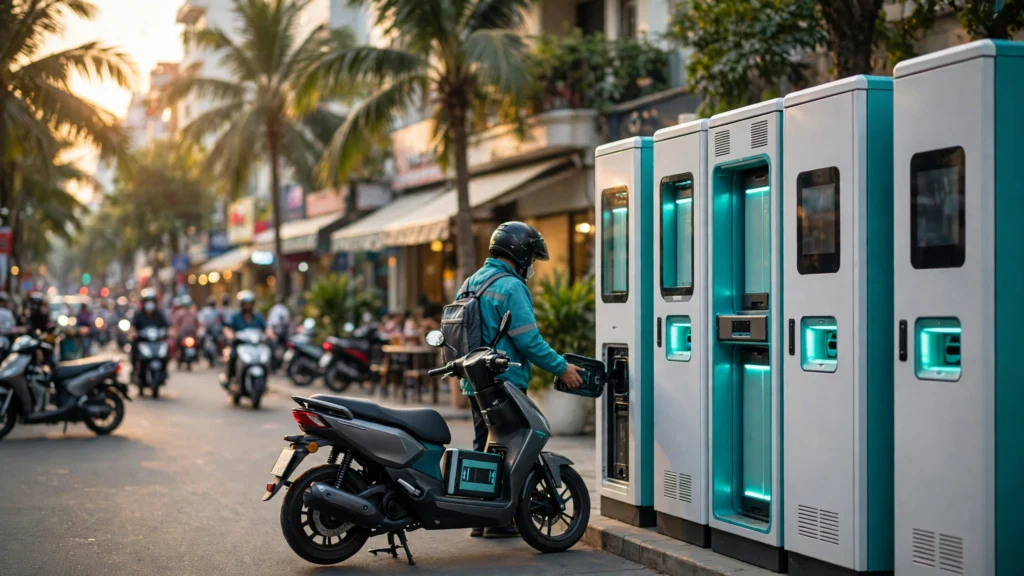
That tradeoff fits Vietnam’s current infrastructure. Public charging is growing fast, but it is still uneven outside the big cities, and many networks serve a single brand’s cars. A buyer who wants electric driving without depending on the charging network is exactly the customer a range extender is built for. The combined ranges Li Auto quotes, from about 1,250 km to more than 1,600 km depending on the model, are estimates converted to NEDC standards, so real-world figures will be lower, but the gap over a pure electric car on a long trip is real.
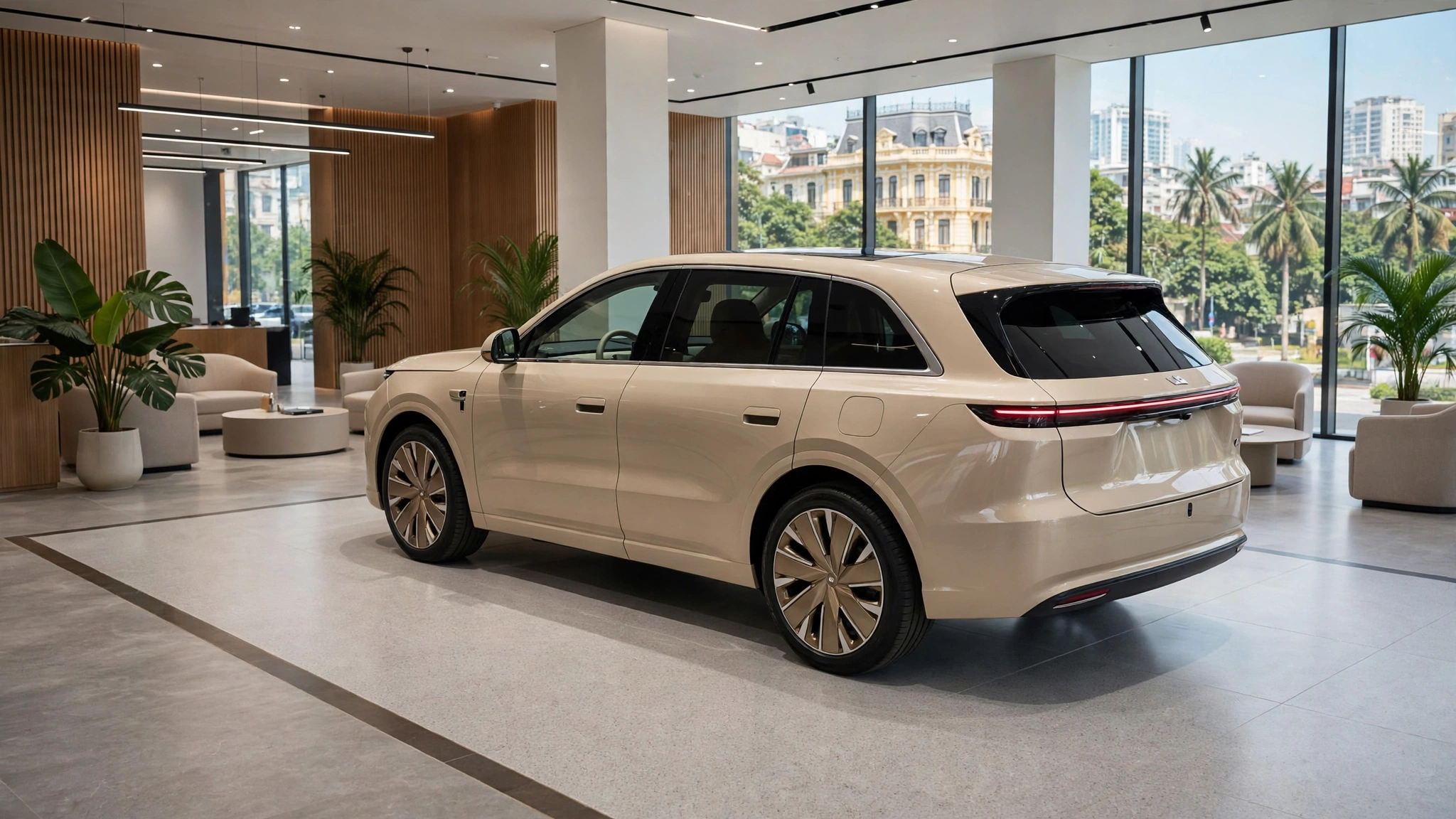
Neera Motors will handle distribution, sales network development, marketing and after-sales service. Neera’s directly invested and operated showrooms and service centers will open first in Hanoi and Ho Chi Minh City, then expand to other major cities, with service partners adding maintenance points and technicians trained to Li Auto’s standards. The distributor said it is exploring domestic assembly when market size and business conditions allow, but that is a long-term direction, not a confirmed factory plan.
What could go wrong
The obstacles are common for Chinese brands entering Vietnam’s premium segment. Buyers at this price care about brand value, durability, resale value and after-sales service as much as they care about screens and range, and Chinese brands are still building trust with Vietnamese customers on high-value cars. Li Auto has no announced prices for Vietnam yet, and the whole case turns on them: priced close to established luxury brands, the cars will have to win on experience and service; priced well below, the range extender becomes a genuine alternative for buyers who want electric driving without charging anxiety.
Competition is already there. VinFast dominates electric car sales in Vietnam and keeps adding models at every price point, while BYD, Tesla and the European luxury brands are all fighting for the same buyers. Li Auto’s advantage is that none of them leads with a range extender in the premium family segment. Its disadvantage is that it starts with no showrooms, no service history and no resale record in the country, while its rivals have all three.
The wider pattern is clear. Chinese automakers are moving their competition in Vietnam from the mainstream segment into premium SUVs, using electrified technology such as hybrids, plug-in hybrids and range extenders to stand apart. Li Auto’s arrival, with four models at once rather than a single test car, shows how seriously it takes that move. Pricing, delivery times, service quality and after-sales commitments will decide whether it becomes a real alternative or another launch that fades. The first showrooms in Hanoi and Ho Chi Minh City will give the first answer.
Related reading: Gogoro Bets on Vietnam as Battery Swapping Finds Riders and Vietnam’s First Dedicated EV Charging Tariff, Explained and Vietnam’s Electric Two-Wheelers Near One Million in Nine Months.
Sources
Vietnam.vn (the state’s official external information portal), November 12, 2026, Li Auto officially enters the Vietnamese market, preparing to launch four premium electric SUV and REEV models: https://www.vietnam.vn/en/li-auto-chinh-thuc-gia-nhap-thi-truong-viet-nam-chuan-bi-ra-mat-4-mau-suv-dien-va-reev-cao-cap
—