Why does one market need three decrees?
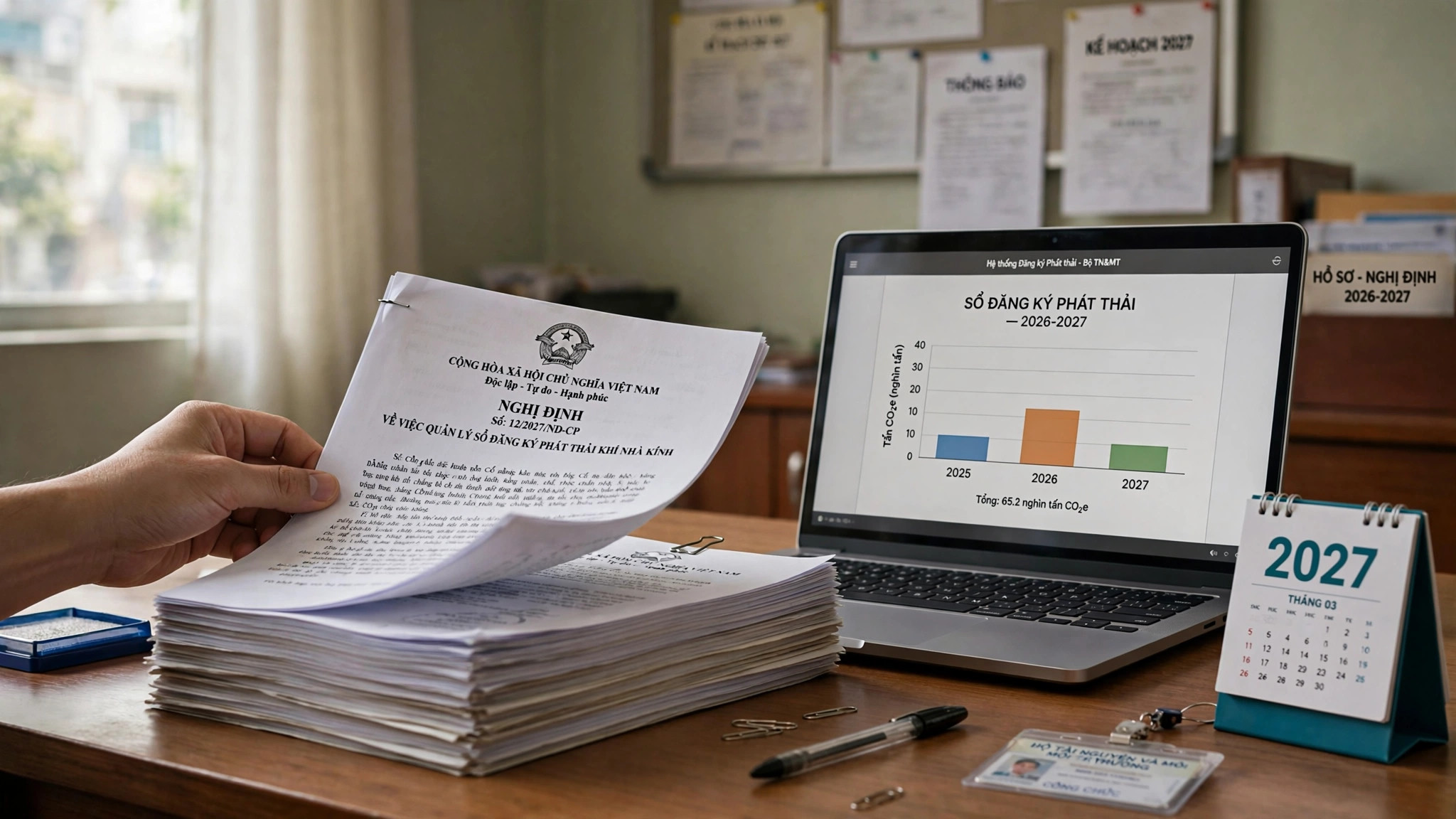
Because Vietnam built its carbon system in layers. Decree 06 of January 2022 set the legal frame for greenhouse gas reduction and ozone layer protection. Decree 119 of June 2025 turned that frame into a working emissions trading system. Decree 83 of March 2026 refined the system again, above all what may trade and on what terms. Reading the three together is the fastest way to understand what the rules actually require today, because no single document contains the whole rulebook. Each amendment rewrites parts of the earlier text, so the operative rule on any question is the 2022 article as amended in 2025 and again in 2026.
What did Decree 06 do in 2022?
It created the foundation. The decree, issued on January 7, 2022 under the Law on Environmental Protection, established greenhouse gas inventory duties, emissions reduction planning, and the mandate to organize and develop a domestic carbon market. It defined the main concepts the system still uses, including emission allowances and carbon credits, and set a phased roadmap: build the registry, allocation methods and reporting systems first, then pilot trading, then operate a fuller market. It also started the inventory net. Facilities named on a government list must measure and report their emissions, a population far wider than the group that would later trade allowances. Everything since 2022 is an elaboration of this frame rather than a replacement of it.
What changed under Decree 119 in 2025?
Almost everything operational. Decree 119, issued on June 9, 2025 and effective from August 2025, defined the design of the emissions trading system and the institutional responsibilities behind it, according to the International Carbon Action Partnership status summary. The pilot runs from 2025 to 2028 with allowances allocated without charge. Allocation follows an intensity approach, using sector benchmarks and verified output, with compliance assessed afterwards against verified emissions. The decree set the flexibility rules that still govern behavior: unused allowances may be banked through 2030, facilities may borrow up to 15 percent of a future period allocation, and offset credits may cover up to 30 percent of a compliance obligation. Eligible credits must be generated after January 2021 and come from mechanisms aligned with Article 6 of the Paris Agreement, including transitioned Clean Development Mechanism activities, the Joint Crediting Mechanism and other approved bilateral arrangements. The pilot covers 110 facilities in thermal power, iron and steel, and cement. Aggregate allowance budgets approved in February 2026 totalled about 243 million tonnes for 2025 and about 268 million tonnes for 2026.
What did Decree 83 change in 2026?
It narrowed and clarified the tradable universe as the exchange launch approached. CarbonMeld’s September 2026 analysis of the decree stack stresses that only three categories of carbon credits can be listed. First, credits under bilateral cooperation mechanisms between Vietnam and partner countries under Article 6.2 of the Paris Agreement. Second, credits issued under the United Nations carbon standard pursuant to Article 6.4. Third, credits issued by competent Vietnamese authorities for projects in the agriculture and environment, industry and trade, and construction sectors. The 2026 layer also sits alongside the finance ministry rules that govern trading members and market surveillance on the exchange, and the amended articles that fix the first compliance calendar, with verified reports due before December 1, 2027 and surrender before December 31, 2027 for the 2025 to 2026 period. In short, Decree 119 built the machine. Decree 83 specified the fuel it is allowed to burn.
Who has duties under the rulebook, and are they the same people?
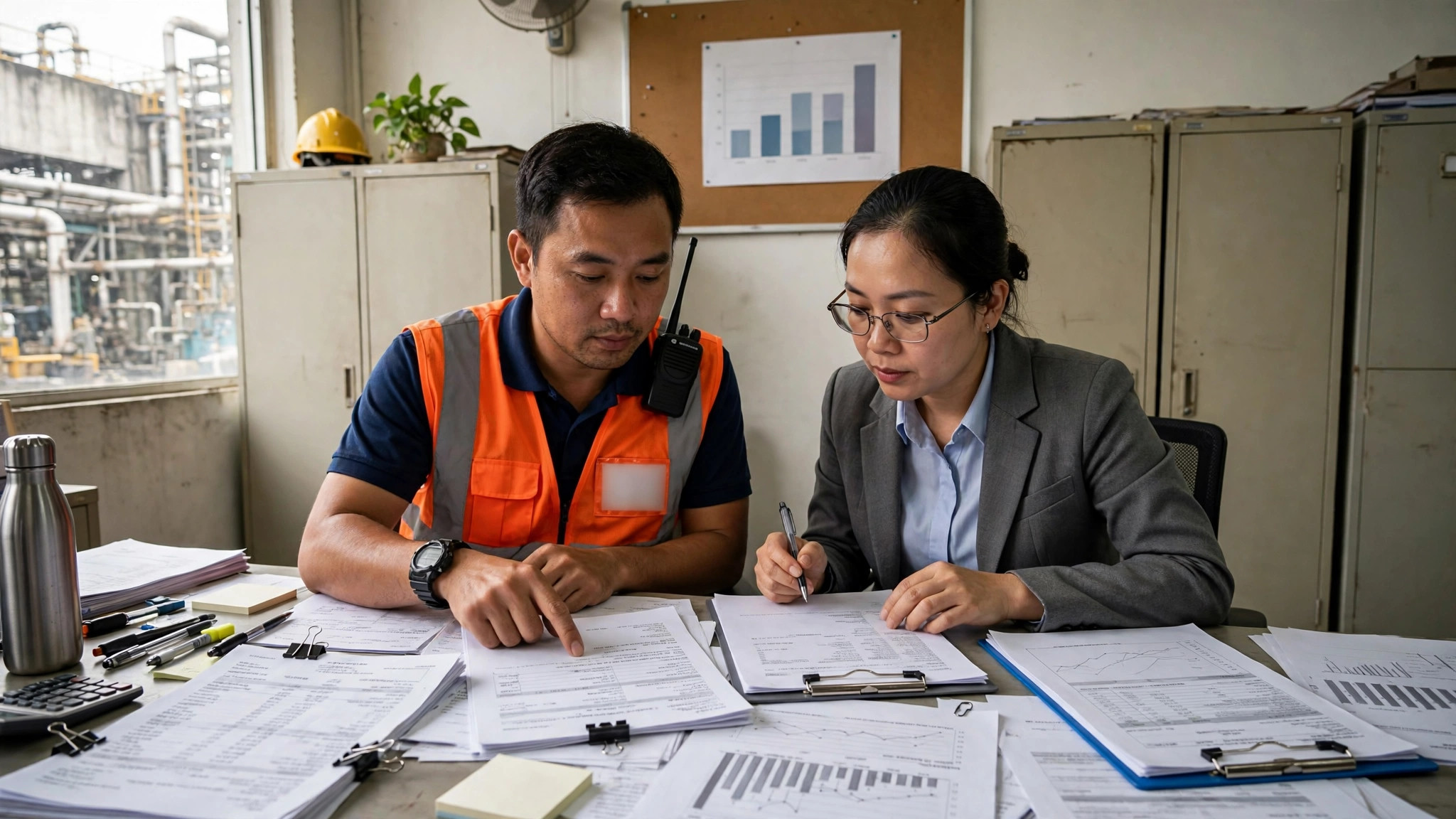
No, and confusing the two groups causes real compliance errors. The trading group is small: 110 facilities across 92 organizations holding allowances for the pilot. The inventory group is much larger. In August 2026, Decision 42 expanded the list of establishments required to conduct greenhouse gas inventories to 2,441, an increase of 275 over the 2024 list, with 1,916 of them in industry and trade sectors such as textiles, footwear, plastics, paper, metallurgy and electricity. Those establishments must submit facility level inventory reports by March 31, 2027 under the technical guidelines of their supervising ministries. A factory can therefore owe an inventory without owing an allowance surrender. The rulebook reaches it in stages, and the first stage is measurement.
What has not changed across the versions?
The destination. All three decrees serve the same strategy: meet Vietnam’s 2030 climate commitments and reach net zero by 2050. The pilot stays free allocated through 2028, and auctions remain a feature of the next phase from 2029, not of the current one. The three covered sectors have not widened during the pilot. And the basic bargain is stable: the state sets the cap and the rules, facilities measure and report, and trading exists to find the cheapest reductions inside that frame.
What should a reader watch next?
Three things. First, implementing guidance: methodologies for domestic credit projects are still being completed, and they decide how much supply can reach the exchange. Second, the Article 6 pipeline: the earliest bilateral projects with Singapore and Japan were expected to launch from December 2026, and 23 Vietnamese projects holding approval letters for transition to the United Nations mechanism represent more than 10 million potential credits for 2021 to 2025. Third, the two 2027 calendars running in parallel, inventory reports for 2,441 establishments by March, then verification and surrender for the 110 trading facilities by December. The rulebook’s next version, whenever it comes, will be written in response to how those deadlines hold.
Related reading
- The 2027 Surrender Deadline: a CFO’s Countdown
- Seven Trades and 1,310 Allowances: Vietnam’s Carbon Exchange Finds Its First Price
- The Accountants of Decarbonization: ESG Reporting Goes Mandatory
Sources
International Carbon Action Partnership status summary, 2026, on Decree 06, Decree 119 design, flexibility provisions and pilot allowance budgets. CarbonMeld, September 2026, on the decree stack and the three eligible credit categories under the current rules. Vietnam Briefing, September 2026, on the amended articles fixing December 2027 reporting and surrender duties. vietnam.vn, October 2026, on Decision 42 of 2026 expanding the inventory list to 2,441 establishments with a March 2027 reporting deadline.