BYD Vietnam and Grab offer discounts for drivers who buy EVs for ride-hailing, while Tasco launches Geely EX2 electric taxis with 1,000 drivers. Price is only half the equation: charging, intercity trips and service coverage decide whether an EV taxi earns money.
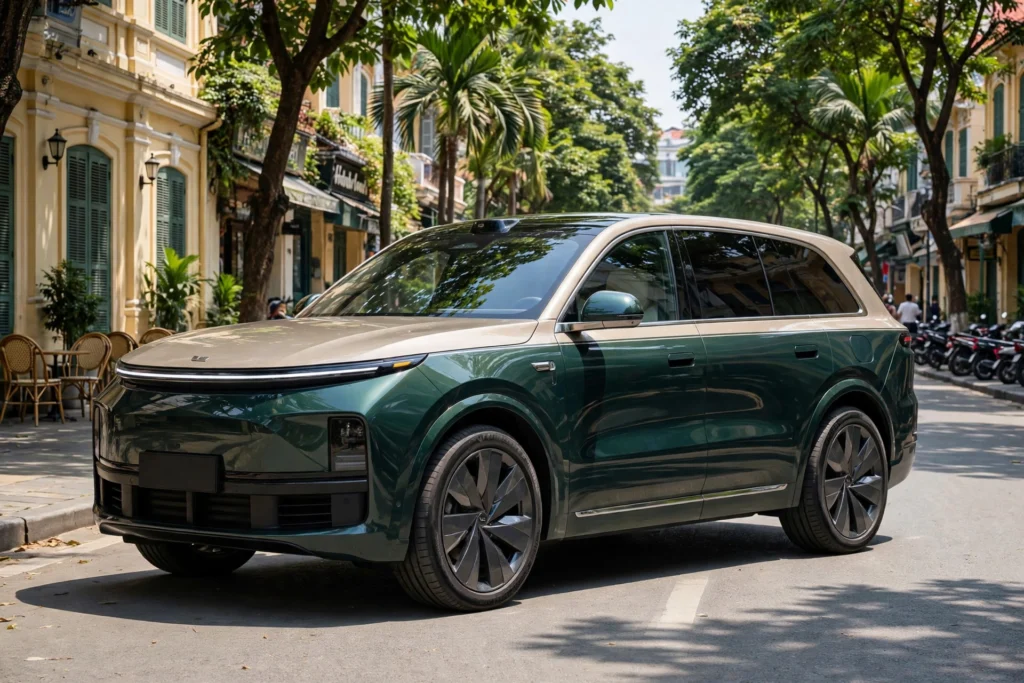
In November 2026, Chinese electric cars made a strong push into Vietnam passenger transport market. BYD Vietnam and Grab launched the Sustainable Green Partner programme from 1 November 2026 to 31 January 2027, offering discounts for drivers who buy BYD Dolphin and BYD M6 cars for ride-hailing. At the same time, Tasco launched an electric taxi service using Geely EX2 cars under the VETC GO brand, hiring 1,000 drivers in Hanoi and Ho Chi Minh City.
Both programmes target drivers and transport companies that want to switch to electric cars. For a car that earns money on the road, the purchase price is only part of the equation. A service car runs all day, so charging, energy plans for intercity trips and service coverage decide whether the car earns a profit.
The BYD and Grab offer is clear. Drivers who buy a BYD Dolphin receive a discount of VND70 million, bringing the price to VND499 million from VND569 million. Drivers who buy a BYD M6 receive a discount of VND25 million, bringing the price to VND731 million from VND756 million. The programme covers 1,000 eligible cars, with payment completed from 1 November 2026 to 31 January 2027.
The programme also includes an extended battery warranty of 8 years or 300,000 km, and an income guarantee of up to VND160 million paid in 3 to 4 instalments, for partners who stay active until 31 December 2027. Grab also offers 6 months of free charging, up to 20 charging sessions per month. According to BYD, charging costs about VND400 per kilometre, helping drivers save 70 to 80 percent on fuel costs compared with petrol cars.

VETC GO takes a different route: drivers do not need to buy a car. The company provides Geely EX2 electric cars for drivers to operate directly, with formal labour contracts and insurance benefits. Average minimum monthly income is expected at VND15 to 18 million for 26 shifts, with total income reaching up to VND30 million per month. In the first phase, the service runs on the Grab platform, with technical support and 24/7 rescue from the Carpla system.
The Geely fleet is still at an early stage. Tasco Auto and Infipower signed an agreement to put 1,000 Geely EX2 cars into operation on 27 June 2026, and the first batch of 16 cars was delivered in August 2026. For now, the service operates in Hanoi, Ho Chi Minh City, Da Nang and Can Tho.
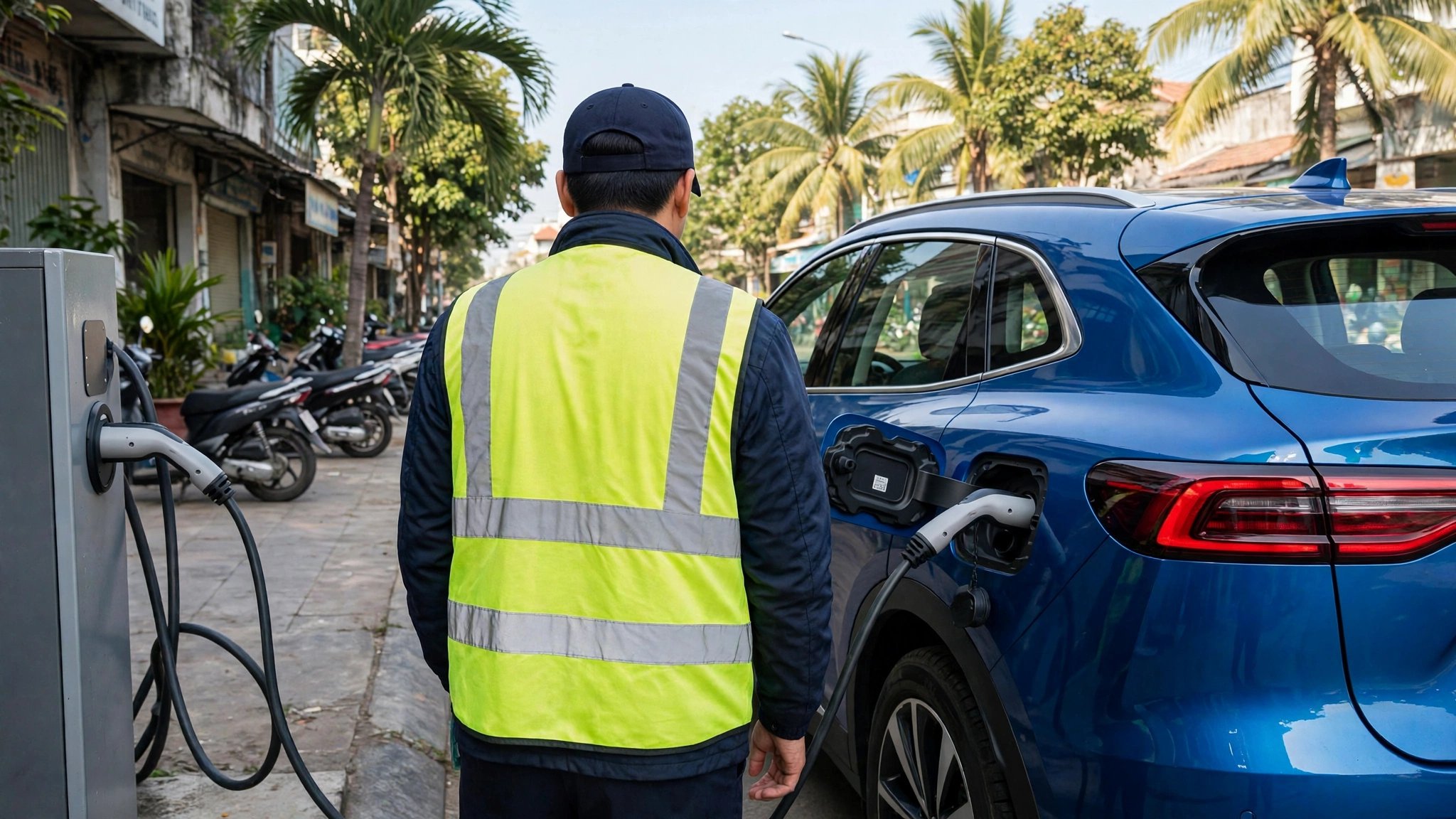
Whether drivers buy or rent, a service car must answer three questions. First, are charging stations dense and easy to reach. Second, does the car have a safe energy plan for intercity trips. Third, can a broken car be rescued and repaired quickly, because every day in the workshop is a day without fares.
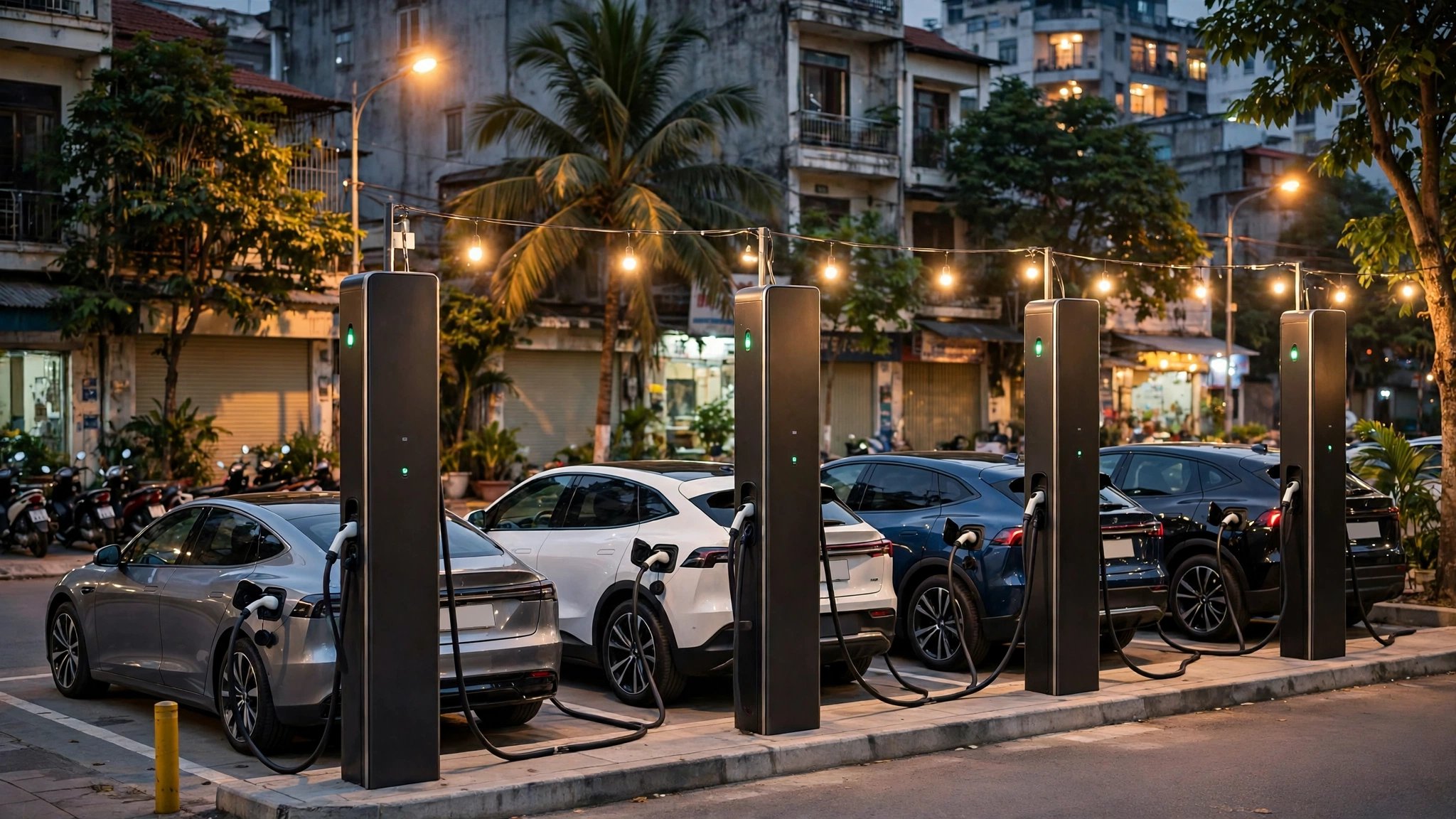
This is where the Vietnamese EV ecosystem holds a clear advantage. V-Green operates more than 3,000 charging stations with over 150,000 charging ports nationwide, across 34 provinces and along 106 national highways and expressways. The company is building 99 more super fast charging stations, each with up to 100 charging points at 150 kW, with a top-up taking about 15 minutes. VinFast also offers free charging at V-Green stations until March 2029.
On aftersales, VinFast has 350 service centres nationwide as of November 2025. BYD, by contrast, has delivered more than 5,000 cars in Vietnam and built nearly 40 dealerships nationwide. According to BYD Vietnam leadership, the company does not invest directly in charging stations but works with more than 10 partners, with each dealership required to have at least 2 fast chargers of 120 kW. The message is clear: a good purchase price is a necessary condition, but charging infrastructure, intercity range and service coverage are the sufficient conditions. Before spending money on a car for service work, check the stations around the operating area, test one intercity trip and find the nearest workshop.
Why it matters: For drivers, the choice of an EV for ride-hailing is not about the listed price but about how many hours the car stays on the road each day. Dense charging, fast charging and a nearby workshop keep the car ready for fares and protect income. For transport companies, investing in an EV fleet means looking at the whole ecosystem behind the car, from the charging network and aftersales service to driver support policies, rather than comparing purchase prices alone.
Source: Seasia, Otosaigon, 24HMoney, Doanh Nghiep va Cuoc Song, Autopro, Electrive, Xe.Today, Tech and Environment, Xehay, Vietnam Investment Review