Taiwan’s Lite-On Technology has approved another $320 million in capital for its Vietnam operations. The company disclosed the move in filings with the Taiwan Stock Exchange on October 30. The money goes to two subsidiaries in two tranches: $210 million into Lite-On Technology Vietnam and $110 million into Lite-On Vietnam, funded in phases from the company’s own resources. Vietstock reported the filings on November 3.
The new injection takes Lite-On’s cumulative investment in the two units to about $542.5 million and $369 million respectively. The totals come from the filing figures. For a company whose name rarely makes headlines, it is a large commitment, and it comes as the AI infrastructure buildout redraws electronics supply chains across Asia.
What the factories make
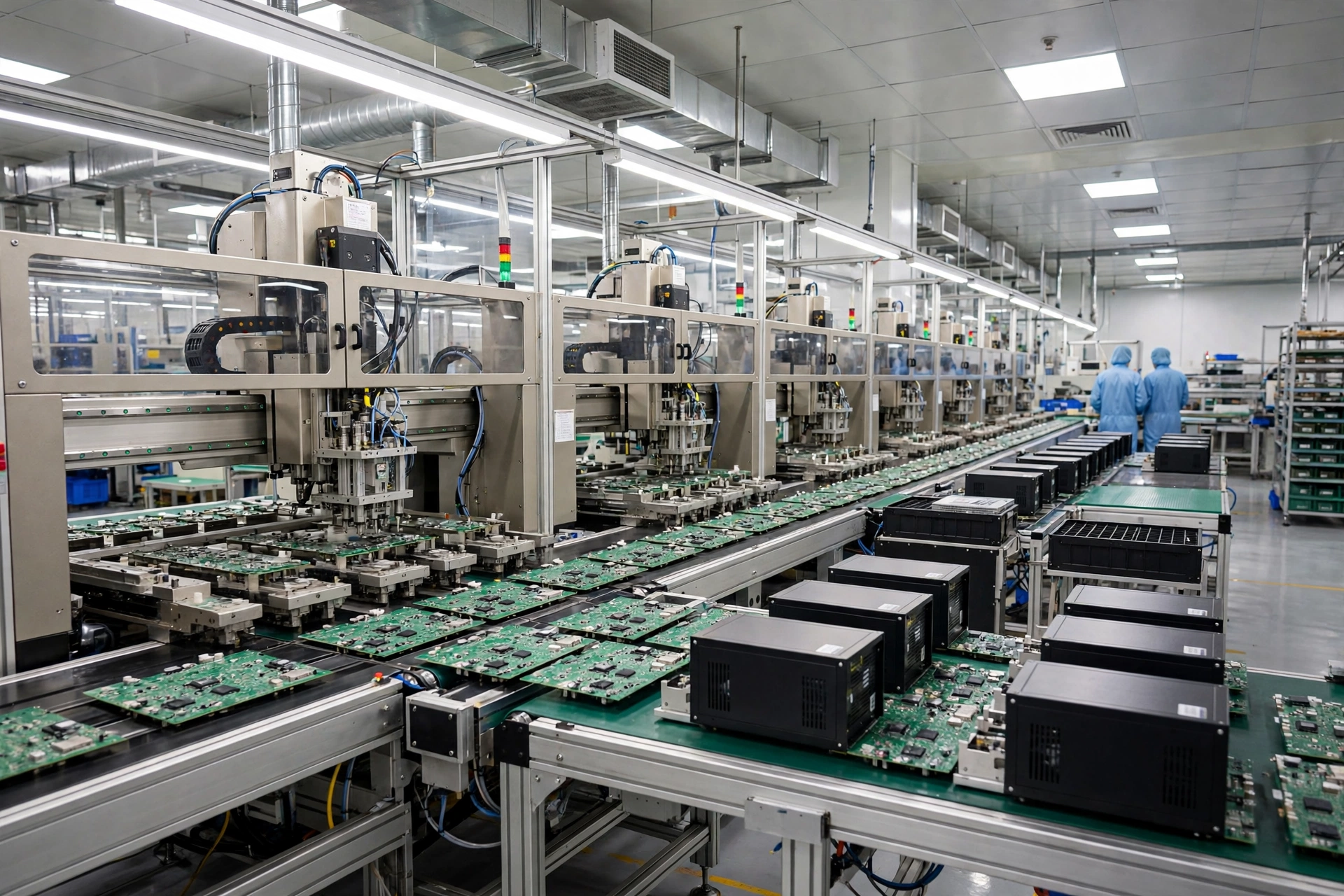
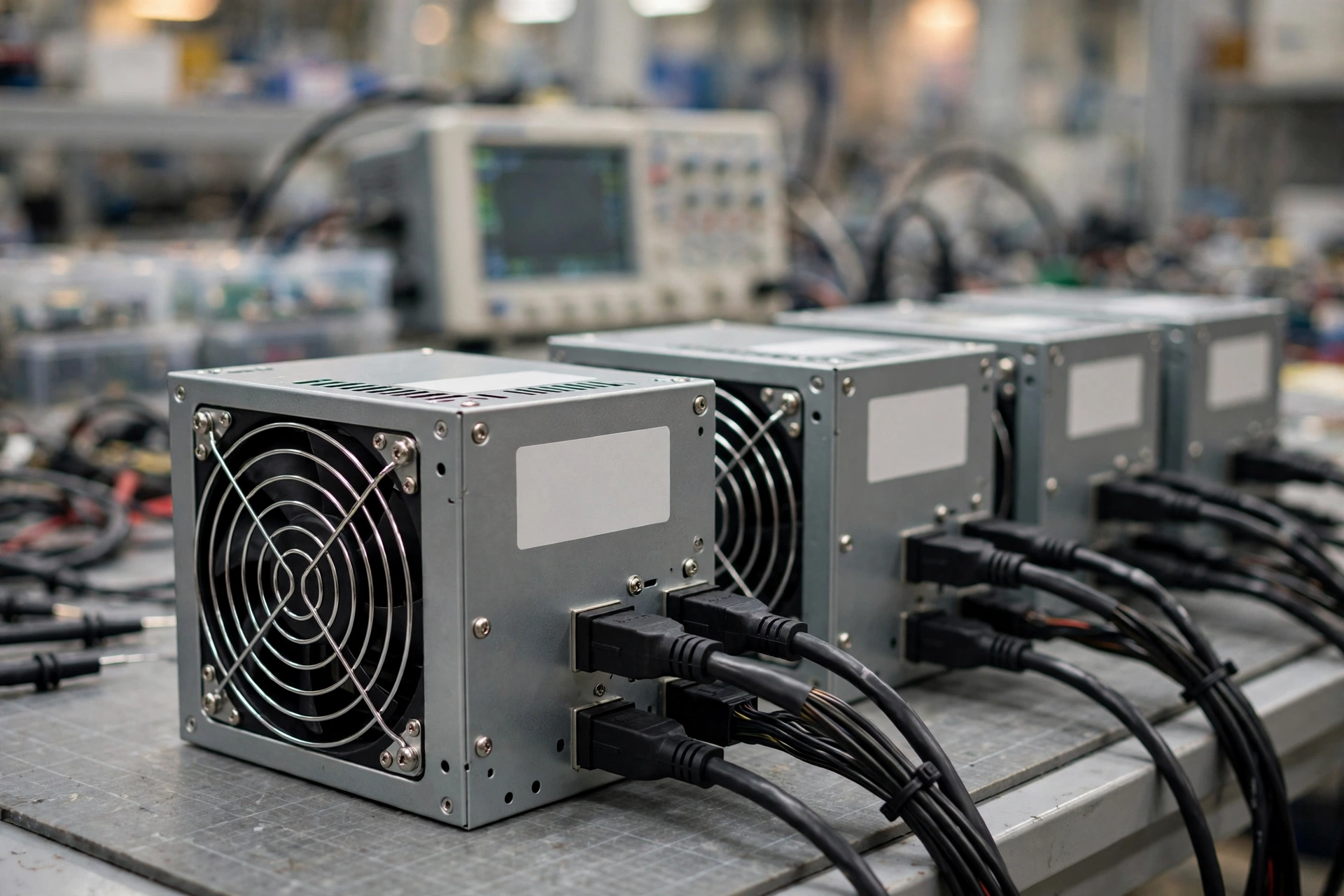
Lite-On is not a household brand, but its components sit inside other companies’ products. In Vietnam, the company makes high-end power supplies for AI servers, power management systems, liquid cooling equipment and optical communication products: the unglamorous hardware that keeps data centers running. The bet is on the power layer of the AI stack, the part where efficiency gains translate directly into data-center operating costs. AI server racks draw far more power than conventional servers, so the units converting grid electricity into the precise voltages chips need, and the cooling systems carrying the heat away, decide a large share of what a data center costs to run. That is why power electronics, an unglamorous corner of the supply chain, commands this scale of investment.
The company’s own numbers explain the timing. In its third-quarter report, also released on October 30, president Anson Chiu said cloud-computing revenue rose 80 percent year-on-year in the first nine months of 2026. He added that AI-related revenue now accounts for more than 30 percent of the company’s total. Those are company-reported figures, and they describe the demand curve the Vietnam investment is meant to serve.
The footprint in Vietnam
Lite-On has manufactured in Vietnam since 2013. That year it set up in the VSIP industrial park in Haiphong. A second-phase factory opened there in November 2022. The more recent part of its presence is in Quang Ninh province, at the Song Khoai-Amata industrial park near Halong, where the company plans about $690 million of investment across roughly 30 hectares. The two new capital injections add to both sites rather than opening a new one.
Why it matters
Vietnam’s role in the AI supply chain is shifting. The familiar story is assembly: phones, laptops and servers put together in Bac Ninh and Bac Giang. Lite-On’s investment belongs to a different layer, the power-critical hardware inside AI data centers. It arrives alongside a data-center project pipeline that is itself one of the region’s largest. VoltViet’s map of the region’s data-center buildout puts Vietnam’s pipeline against Johor, Batam and Bangkok on power price, latency and land. On the demand side, FPT’s AI Factory cloud business turned profitable once utilization passed 90 percent, a sign that domestic AI compute demand is real and not just announced. Korea’s LS Eco Energy is making a parallel move with a parts plant for AI data centers in Vietnam.
The focus on power also connects to Vietnam’s energy story. A hyperscale data center is, in practical terms, a power project that happens to need a building: each major announcement in Vietnam comes down to a negotiation about megawatts, land and grid queues. A supplier of server power supplies and liquid cooling has a direct interest in where those megawatts get built. The Song Khoai site’s proximity to Quang Ninh’s power infrastructure is part of the same calculation.
The timing aligns with the investment pitch Vietnam made the same day. At the Fortune Southeast Asia 500 Summit in Ho Chi Minh City on November 3, Deputy Finance Minister Le Tan Can said the country prioritizes investors bringing core technologies and technology transfer, in green and digital transformation. Vietnam, he said, is no longer content to be merely a manufacturing base. The host city’s numbers back the pitch: Ho Chi Minh City’s economy grew 9.06 percent in the first nine months of 2026, and its registered foreign investment passed $19 billion, more than 30 percent of the national total, according to VOV’s English service. A Taiwanese power-electronics group putting AI-server power supply production in Quang Ninh is the kind of project that pitch is aimed at.
There are caveats worth stating. The $320 million is an approved capital injection to be made in phases, not cash already spent, and the cumulative figures are filing totals rather than audited spend. Filings also describe intent: the products named are the subsidiaries’ business lines, and the actual production mix will follow customer orders. What the filings do establish is direction and scale: a major Taiwanese electronics group is putting more of its AI-infrastructure production in Vietnam, in phases, from its own cash.
Sources
Vietstock (English), November 3, 2026: https://en.vietstock.vn/2026/11/lite-on-to-pump-additional-320-million-into-subsidiaries-in-vietnam-974-646321.htm
VOV (English), November 3, 2026: https://english.vov.vn/en/economy/fortune-southeast-asia-500-summit-opens-new-investment-opportunities-in-vietnam-post1346985.vov