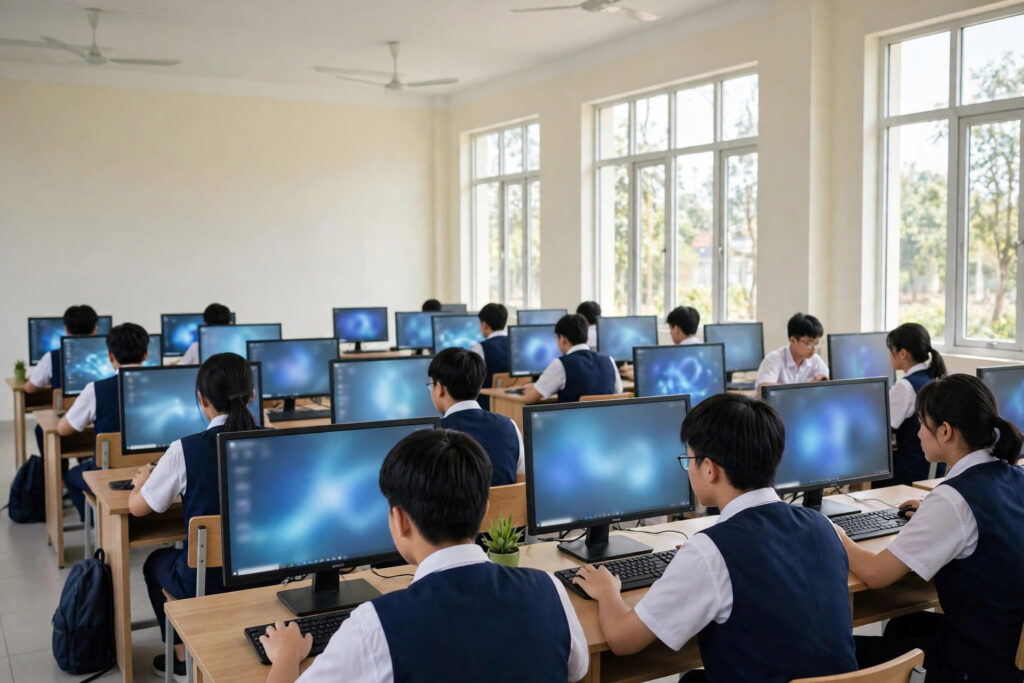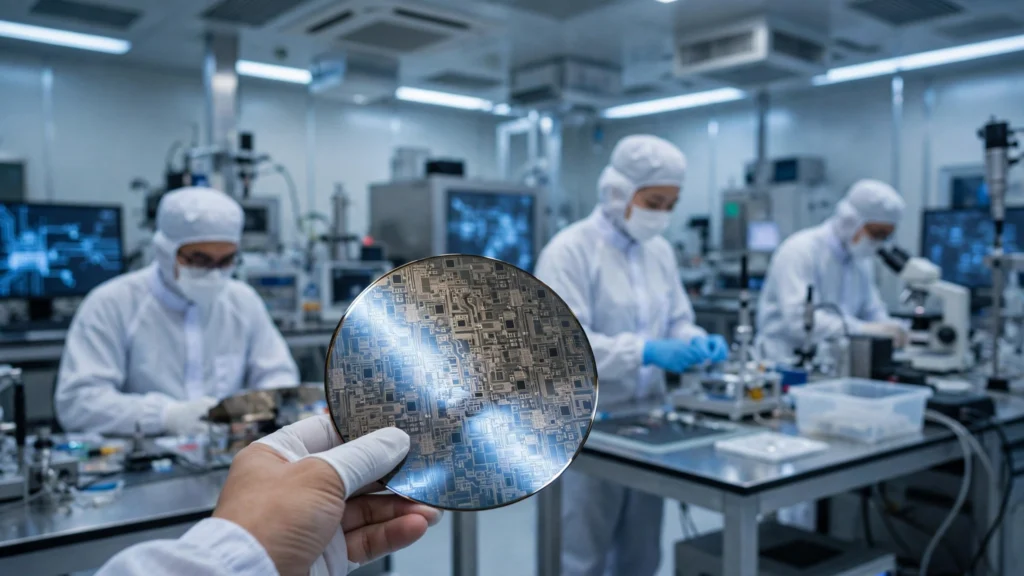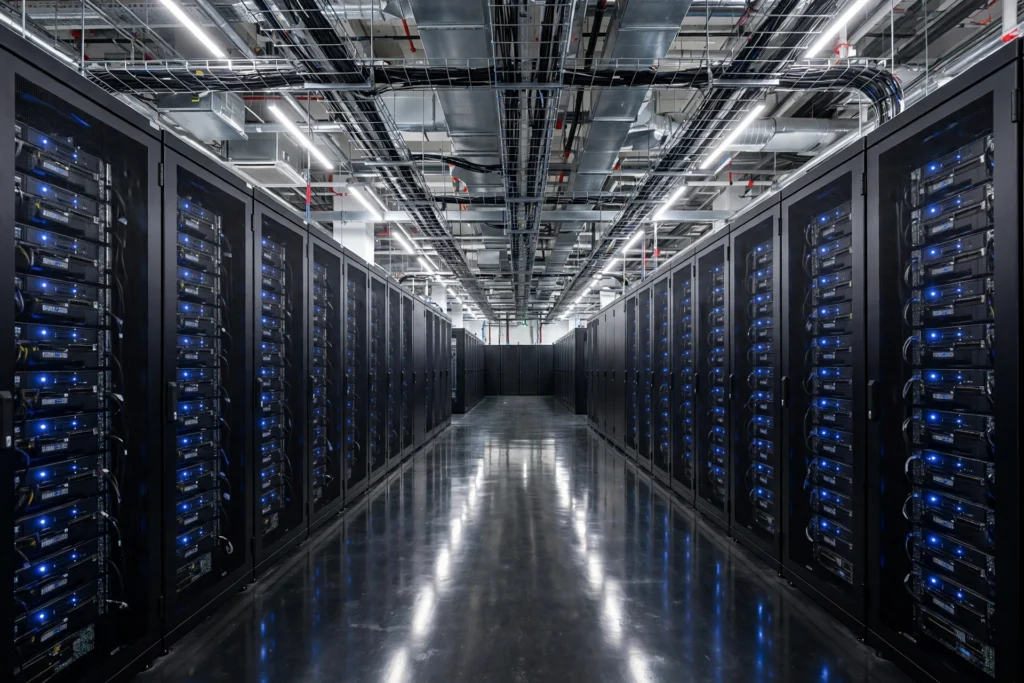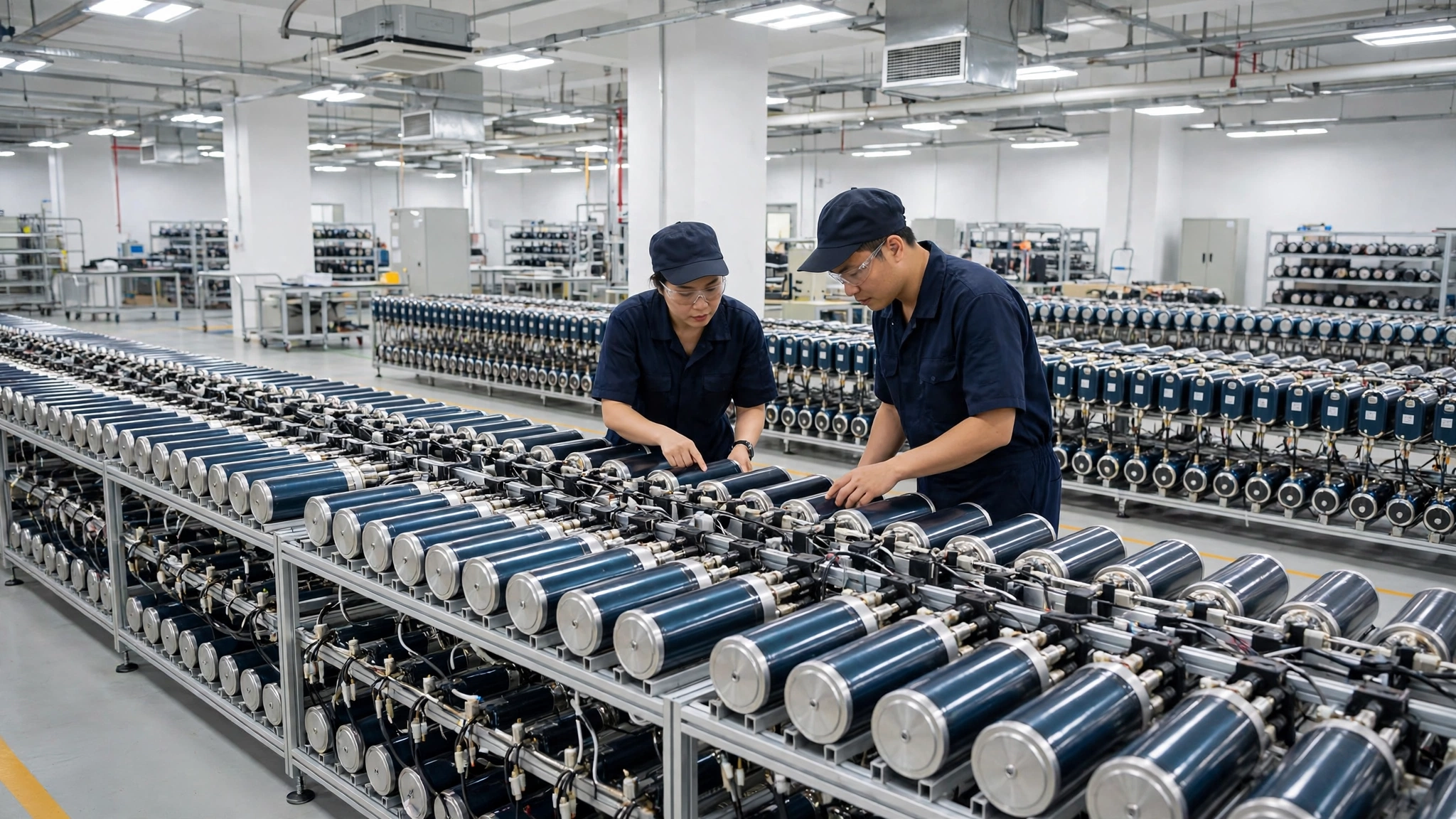
On October 26, 2026, South Korea’s LS Eco Energy said its Vietnam production subsidiary will invest about KRW 65 billion, about USD 49 million, to build a plant making ultracapacitors for AI data centers. Mass production is planned to begin in April 2027, with annual sales from the line targeted at about KRW 150 billion, about USD 113 million, by 2030. It is a small investment beside Vietnam’s multibillion-dollar data center proposals, but it is a manufacturing commitment with a start date, not a proposal waiting for approval.
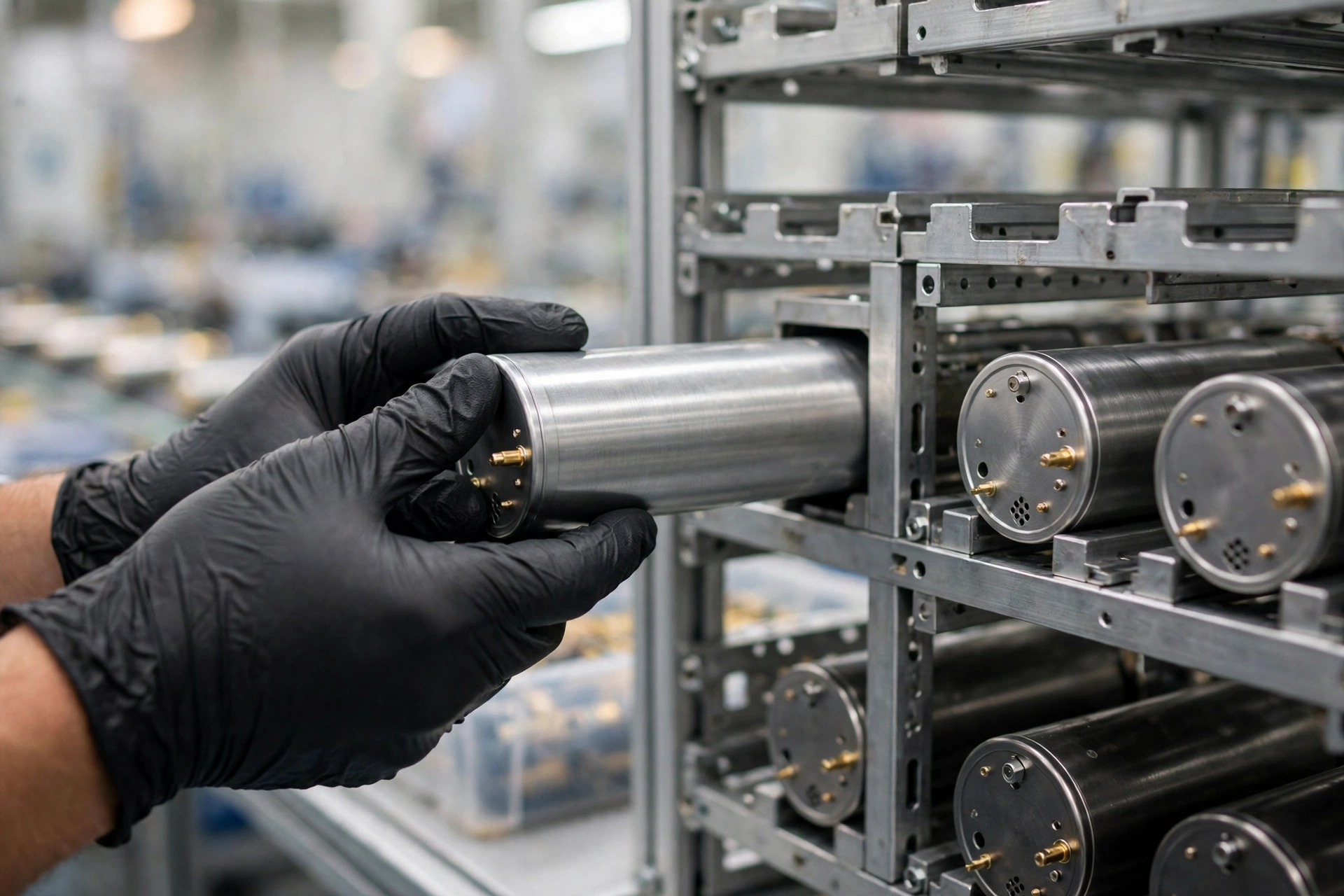
An ultracapacitor (UC) is an energy storage device that rapidly stores and discharges electricity. In this case the devices compensate for momentary power shortfalls in hydrogen fuel cell power systems. As AI data centers demand more power, investment in hydrogen fuel cell generation for those centers is expanding, and demand for ultracapacitors is expected to grow with it. The plant does not power data centers directly. It supplies a component inside the power systems that do.
The Contract Behind the Plant
The investment follows a contract, not a forecast. On October 13, LS Materials, an affiliate of LS Eco Energy, signed a supply contract worth about USD 51.5 million, about KRW 69 billion, with a United States hydrogen fuel cell company. The company said it is also in talks to secure additional contracts before the end of the year. LS Eco Energy will manufacture the ultracapacitors under an original equipment manufacturing arrangement based on LS Materials’ technology, and the two companies plan to serve the growing North American demand together.
The structure matters for how the money works. LS Materials holds the orders and the technology. LS Eco Energy provides the factory and the production. By splitting the work that way, LS Materials can diversify its production base between South Korea and Vietnam to meet growing global demand, while LS Eco Energy gains a new revenue base in high-value-added products. The company said it will consider follow-up investment depending on additional orders, so the KRW 65 billion figure is a first step tied to the orders already signed, not a ceiling.
Why Vietnam Secured the Production Line
The Vietnam subsidiary, LSCV, was chosen on cost and speed. It can use idle space inside its existing factory, which keeps the initial capital spending down, and it benefits from relatively low labor and utility costs. That combination made it the cost-competitive option against building new capacity in South Korea. The ultracapacitor business is also expected to be more profitable than the company’s existing general-purpose wire and cable business, and to improve its margins.
LS Eco Energy’s chief executive, Lee Sang-ho, said the company will develop ultracapacitors as a new growth engine and expand into high-value-added products for AI data centers, including bus ducts. The message is that the plant is the start of a product line, not a one-off contract job. Bus ducts, the enclosed metal channels that carry high-current power inside data centers, are the next product named, and they point at the same customer: the power infrastructure of an AI data center.
From hosting data centers to supplying them
The plant comes as Vietnam’s AI infrastructure story moves from announcements to construction, and the distinction is worth keeping. A consortium led by SAIGONTEL has proposed a USD 3.5 billion AI data center complex in Tay Ninh, but that project is still at the letter of intent stage, with its power supply plan and investment approval still to be settled. A separate USD 2.1 billion AI campus in Ho Chi Minh City received its investment registration certificate in July 2026. Yet its construction timetable is now affected by an unresolved question over whether its electricity falls under the production or the business-use tariff.
Against that background, the LS Eco Energy plant is modest in size but different in kind. FPT’s AI Factory clusters in Vietnam and Japan already show that GPU capacity in Vietnam can be a business: they ran above 90 percent utilization and turned profitable in the second quarter of 2026. The LS plant adds the next layer. Vietnam is not only hosting computing capacity. It is starting to manufacture the power hardware that computing capacity runs on.
That shift is the real measure of the announcement. A USD 49 million component plant will not change Vietnam’s trade figures on its own. But it shows a Korean supplier choosing Vietnam as the production base for a product whose target market is the AI data center build-out. It chose the country for cost reasons that would apply to the next product line as well. If the additional contracts LS Materials is negotiating land before the year ends, the follow-up investment the company has flagged would follow the same logic.
What to watch
Three dates will show whether this becomes a line of business or a single plant. The first is April 2027, when mass production and supply are due to begin. The second is the end of 2026, when LS Materials expects to know whether its additional contract talks have closed. The third is 2030, the deadline for the KRW 150 billion annual sales target. None of those is guaranteed by the announcement itself. What is guaranteed is that a factory will be fitted out inside an existing Vietnamese plant, and that its first customer is a signed contract, not a memorandum. For a market where the largest projects are still negotiating their power supply, that is a useful change of pace.
Sources
The Korea Herald, October 26, 2026: LS Eco Energy to invest W65b in Vietnam ultracapacitor plant for AI data centers: https://biz.heraldcorp.com/article/10914513
ChosunBiz, October 26, 2026: LS Eco Energy invests in Vietnam to build ultra capacitor plant for AI demand: https://biz.chosun.com/en/en-industry/2026/10/26/A533P6MZHNHAXLT35Z42DN73TI/
The Asia Business Daily, October 26, 2026: LS Eco Energy to Build Vietnam Production Base for ‘AIDC Ultracapacitors’ with 65 Billion Won Investment: https://www.asiae.co.kr/en/article/2026102610191513541