A wind farm in Laos is paying off fast for its Vietnamese owner. T&T Group’s 300 MW Savan 1 project reported nine-month revenue of nearly $47 million and gross profit of nearly $42 million. The figures come from the project company’s third-quarter 2026 financial report, as reported by the Cong An Nhan Dan newspaper on November 4. That is a gross margin of about 89 percent, and the developer reports it has already met 100 percent of its full-year revenue plan.
The numbers matter beyond one balance sheet. Savan 1 sells its power across the border into Vietnam, making it a working example of the cross-border electricity trade that underpins the region’s clean-energy plans. For international readers watching how Vietnamese developers operate abroad, it offers one of the clearer data points available on what a well-sited wind project can earn in its first full year.
What the figures say
The headline figures, as reported by CAND from the project company’s Q3 2026 financial report: nine-month revenue of nearly $47 million (over VND 1,200 billion), nine-month gross profit of nearly $42 million (nearly VND 1,100 billion), and a gross margin of about 89 percent. Three cautions apply, and all of them are worth stating plainly. The figures come from the project company’s own financial report as carried by the press; they are not independently audited results. Gross profit is not net profit: financing costs, taxes and corporate overhead sit below the gross line. And a first-year margin reflects a new project’s cost structure, with major capital spending behind it and a full year of generation ahead. It should not be read as the margin of the wind sector as a whole.
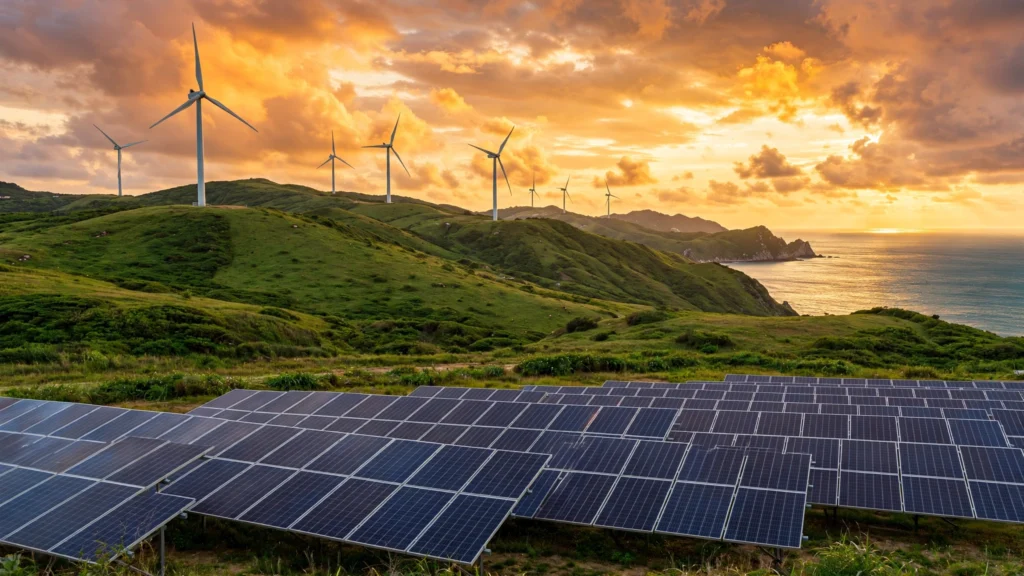
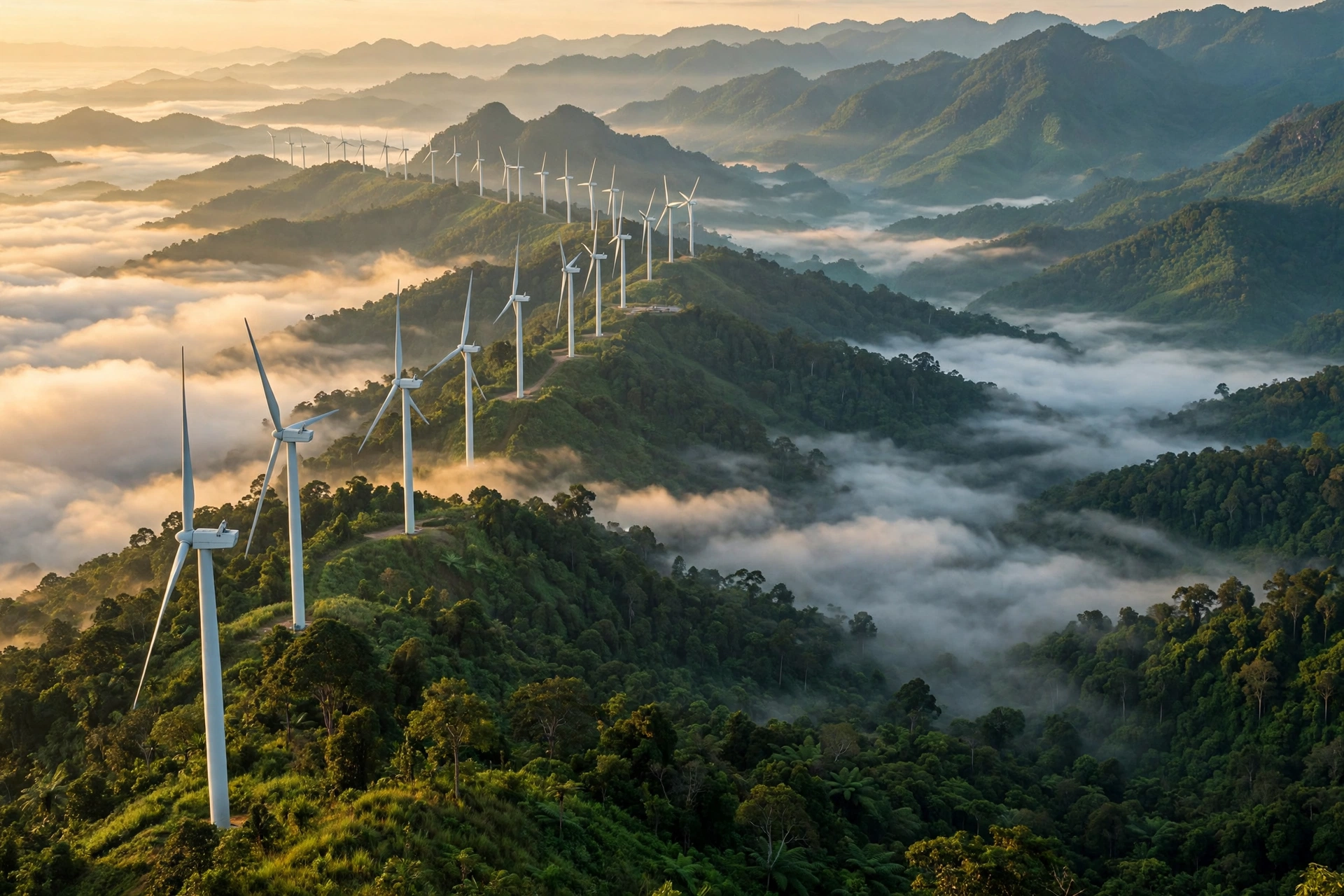
Savan 1’s phase 1 features 300 MW of capacity from 48 turbines. The project was built in about 16 months and began commercial operation in late December 2025, placing the current figures within its first full operating year. The plant is expected to send about 0.9 billion kWh of electricity a year into Vietnam.
The wire that makes the business model
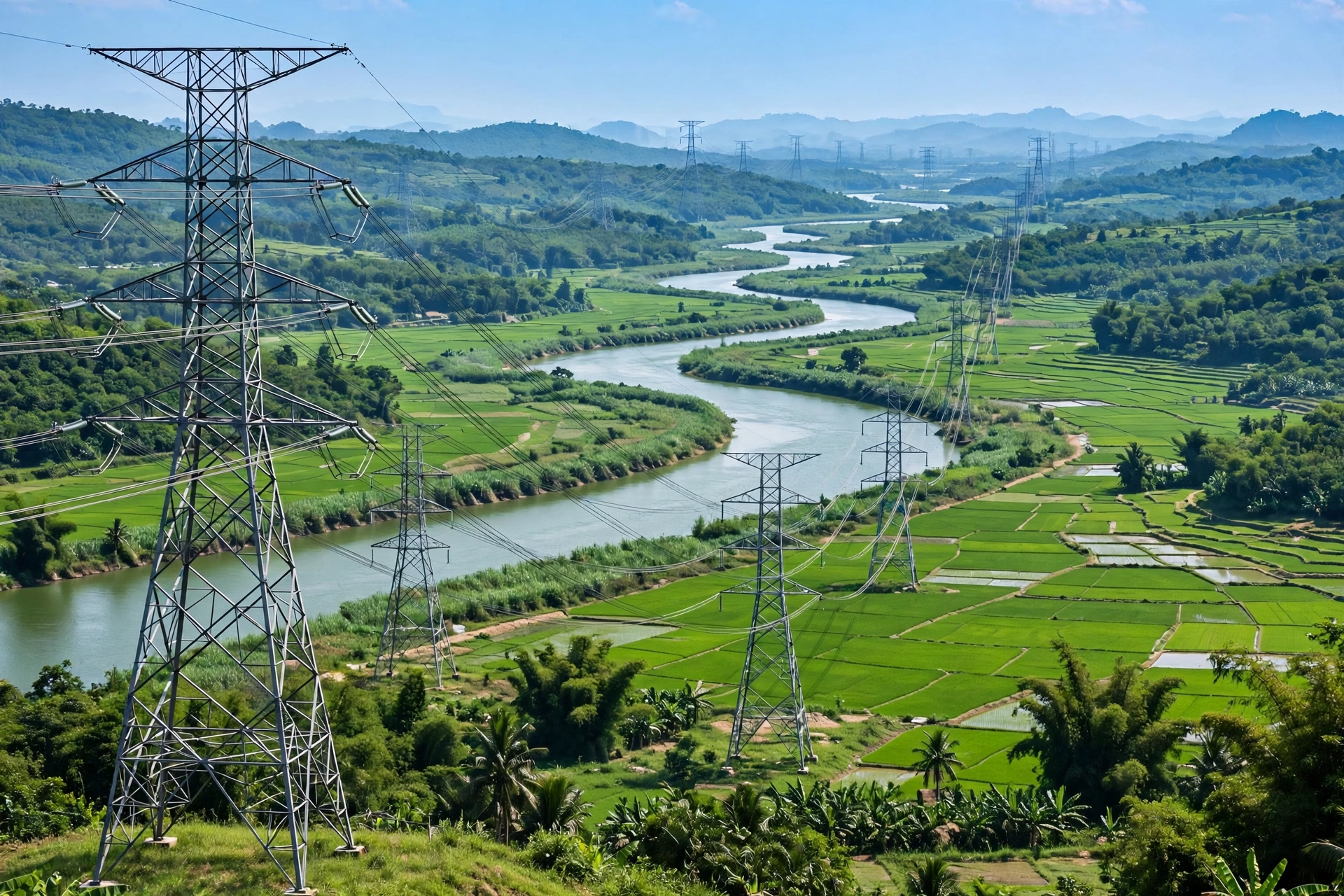
The project’s economics rest on a wire, not just on wind. T&T built a nearly 70-kilometer dedicated 220 kV transmission line to carry power from Savannakhet province in Laos to the Lao Bao substation in Quang Tri province, on the Vietnamese side of the border. Without that line, Savan 1 would be a stranded asset in a thin local market; with it, the plant feeds directly into Vietnamese demand.
The model echoes other cross-border deals VoltViet has tracked, including Vietnam’s first wind-power export route to Singapore: generation where the resource is strongest, consumption where the demand is. In Savan 1’s case the developer owned both ends of the equation, building the generation and the export line as one package.
Savan 2 takes the cluster toward one gigawatt
The developer is not stopping at phase 1. A second phase of Savan 1, sized at 195 MW, is expected to start construction late in 2026. And on October 8, 2026, T&T Group signed a memorandum of understanding with Vinacom to develop, invest in and operate the separate Savan 2 wind project. The planned capacity is 495 MW, with total investment of about $768 million. The signing took place in Vientiane during the Vietnamese prime minister’s official visit to Laos, as part of a package of 17 investment certificates and cooperation agreements. The project is included in the Vietnam-Laos 2026 cooperation plan.
Savan 2 targets commercial operation no later than December 31, 2028, and it is designed to reuse the transmission infrastructure completed for Savan 1. Taken together, the pieces describe a cluster of close to one gigawatt: 300 MW operating, 195 MW under construction from late 2026, and 495 MW under the new memorandum. A memorandum of understanding is not an investment license, and Savan 2 still has to move through the approval chain before construction can start.
The longer bet
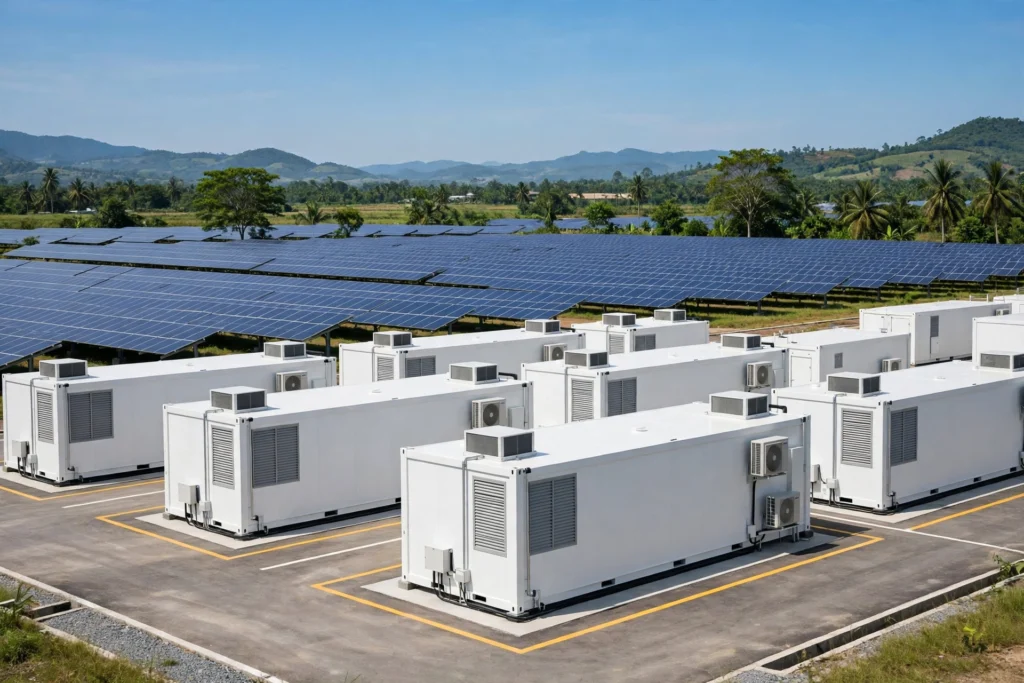
Wind in Laos is one piece of a much larger pipeline. T&T has set a 2035 target of 25 to 30 GW of capacity, which it describes as about 10 percent of Vietnam’s total power-system capacity. The portfolio already spans LNG: the 1,500 MW Hai Lang LNG project in Quang Tri with a South Korean partner, and the 1,500 MW Long Son LNG project in Ho Chi Minh City, where T&T signed an agreement with TotalEnergies in Paris in September 2026. Battery energy storage is also in the company’s plans.
Whether the 89 percent margin repeats is the wrong question. The right one is whether Vietnamese developers can keep finding, financing and wiring up projects like Savan 1, at home and across the border, while the sector’s financing terms mature. Wind projects remain capital-hungry and slow to permit, as VoltViet’s survey of offshore wind’s bankability questions has shown. But for a developer looking to prove that Vietnamese capital can build clean power abroad and sell it home, nine months of figures like these make the case. Vietnamese engineering firms are already selling energy hardware and services abroad, as PTSC’s substation exports for a Polish offshore wind farm demonstrate; Savan 1 shows the same ambition on the generation side.
Sources
Cong An Nhan Dan, November 4, 2026: https://cand.vn/du-an-dien-gio-tai-lao-cua-bau-hien-bao-lai-gan-1100-ty-dong-sau-9-thang-post826807.html
vietnam.vn (English), Savan wind cluster background: https://www.vietnam.vn/en/cum-dien-gio-gan-1-000mw-cua-t-t-group-tai-lao