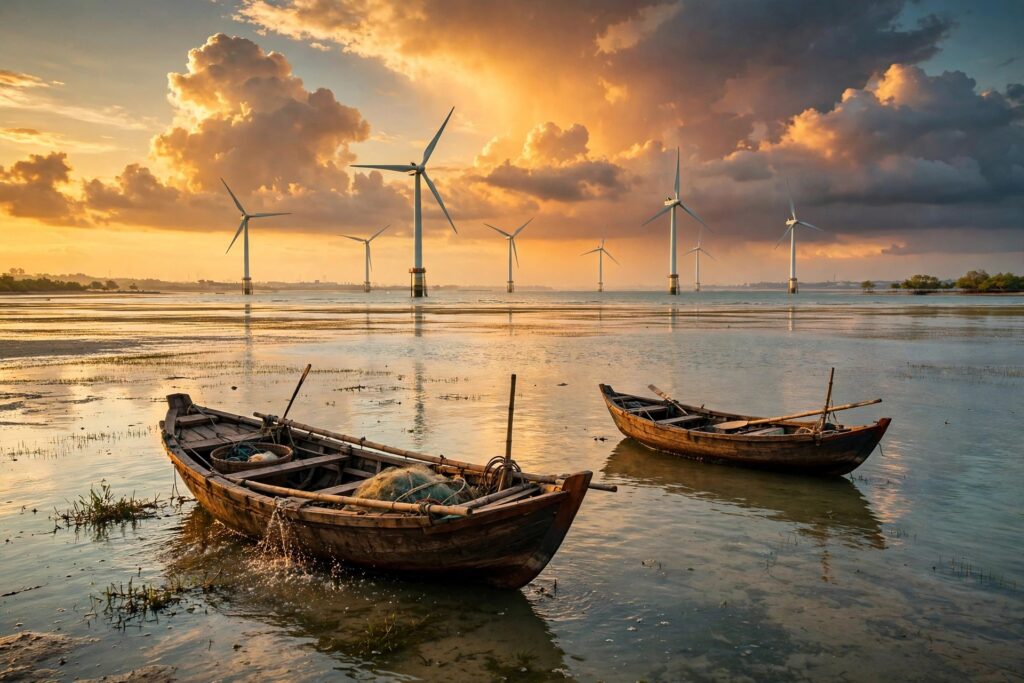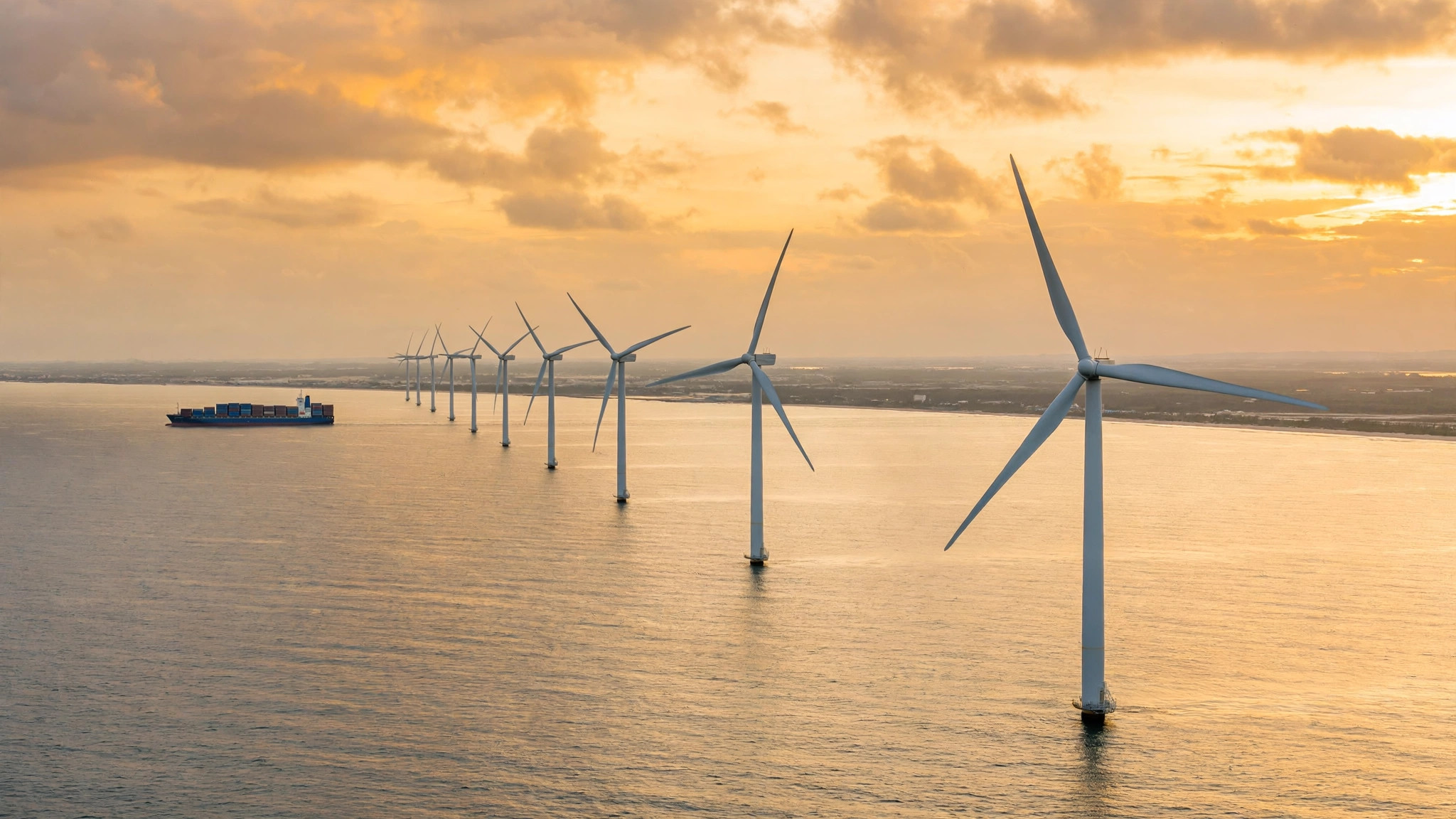
The race to build offshore wind off Ho Chi Minh City has a new runner. Pacifico Energy Vietnam, the local arm of the US-based Pacifico Energy Group, began technical surveys in mid-October for a 500 MW offshore wind project in the city’s waters. The project carries an expected investment of about US$2 billion, according to a November 2 report on vietnam.vn, the state’s official external information portal.
The survey lands in crowded water. Before Pacifico arrived, domestic and foreign investors had already proposed wind projects ranging from several hundred to several thousand megawatts off Can Gio. On paper, the stacked proposals approach 12 GW of capacity and tens of billions of dollars in investment.
The proposals on the table
Vingroup, Vietnam’s largest private conglomerate, was the earliest of the major names to move. In 2025, it put forward a 3,000 MW offshore wind plant off Can Gio with expected output of 9 billion kWh a year and a preliminary investment of about US$4.5 billion. Behind it sit smaller bids: Trung Nam Group with 300 MW, and HBRE with 1,000 MW about 18 nautical miles offshore at an estimated US$2.5 billion. Tan Hoan Cau proposed 1,000 MW about 3 km offshore, its first phase alone priced at VND 56,133 billion (about US$2.2 billion).
One of the largest proposals comes from a consortium of two Japanese companies and one Vietnamese company: up to 6,000 MW, about 55 km offshore, with an estimated total investment of VND 397,605 billion (about US$15.3 billion).
Pacifico’s entry differs from the earlier proposals in one respect: it has moved from proposal to survey. The company also holds Ministry of Agriculture and Environment approval to survey a 1,300 MW offshore wind project off Lam Dong province. Together, the two surveys cover 1,800 MW that the company says could attract more than US$6 billion in later development phases.
Pacifico is not new to Vietnam. The group already operates a 40 MW solar plant at Mui Ne in Lam Dong and the 30 MW Sunpro wind plant in Vinh Long, both onshore. The two offshore surveys would be its first move into Vietnamese waters, and at a combined 1,800 MW they would dwarf everything the company has built in the country so far.
Why investors want this coastline
The Can Gio waters have three selling points, and the vietnam.vn report names all of them. The wind blows steadily year-round. The seabed is shallow, which cuts foundation costs, often a major cost component in offshore wind. And the site sits close to the load centers of the southern region, so the power does not have to travel far to find buyers.
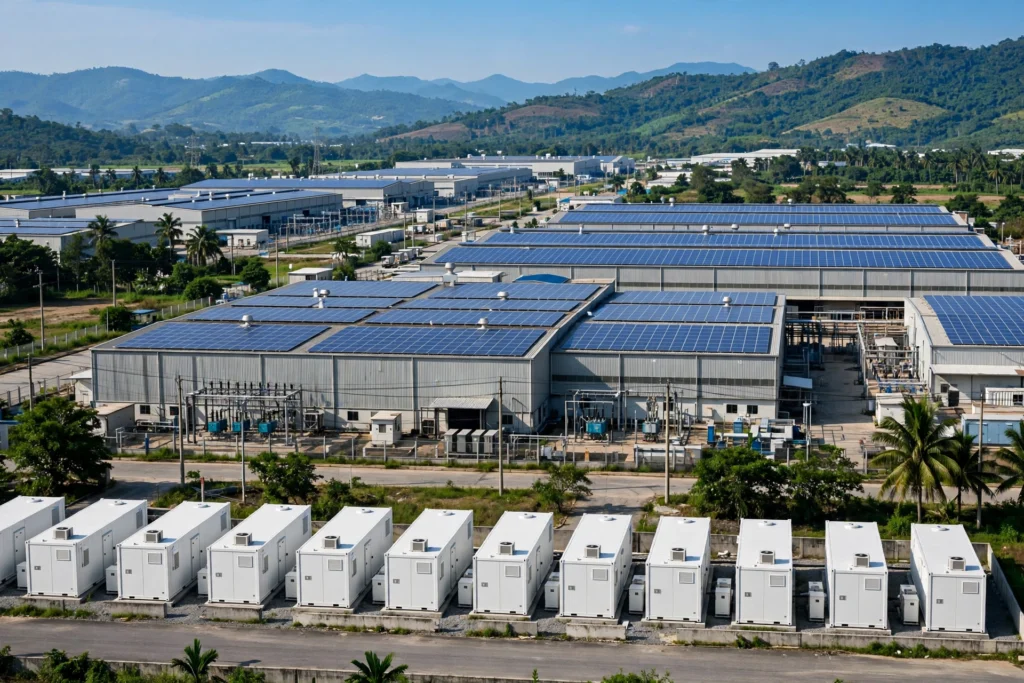
The buyers are increasingly specific. Foreign-invested manufacturers in Ho Chi Minh City and the south need green power to meet environmental standards and green certification for exports to Europe and other markets. Beyond factories, the report lists the future customers: the Can Gio International Transshipment Port, planned urban development projects on reclaimed land, and data centers. Pacifico’s executive chairman Pham Quoc Anh went further, proposing that the city pilot a mechanism letting power suppliers and investors pre-negotiate output, supply timelines and prices before signing a direct power purchase agreement once a project moves ahead.
Regional collaboration is already gaining momentum. Malaysia’s Petronas and Petrovietnam are expanding their strategic alliance into renewables, hydrogen and carbon capture. A May 2025 joint development agreement is studying the export of Vietnamese renewable power to Malaysia and Singapore by subsea cable, with offshore wind as the focus. The green-energy question also surfaced at the CEO 500 dialogue during the Autumn Economic Forum on October 26.
Surveys are not wind farms
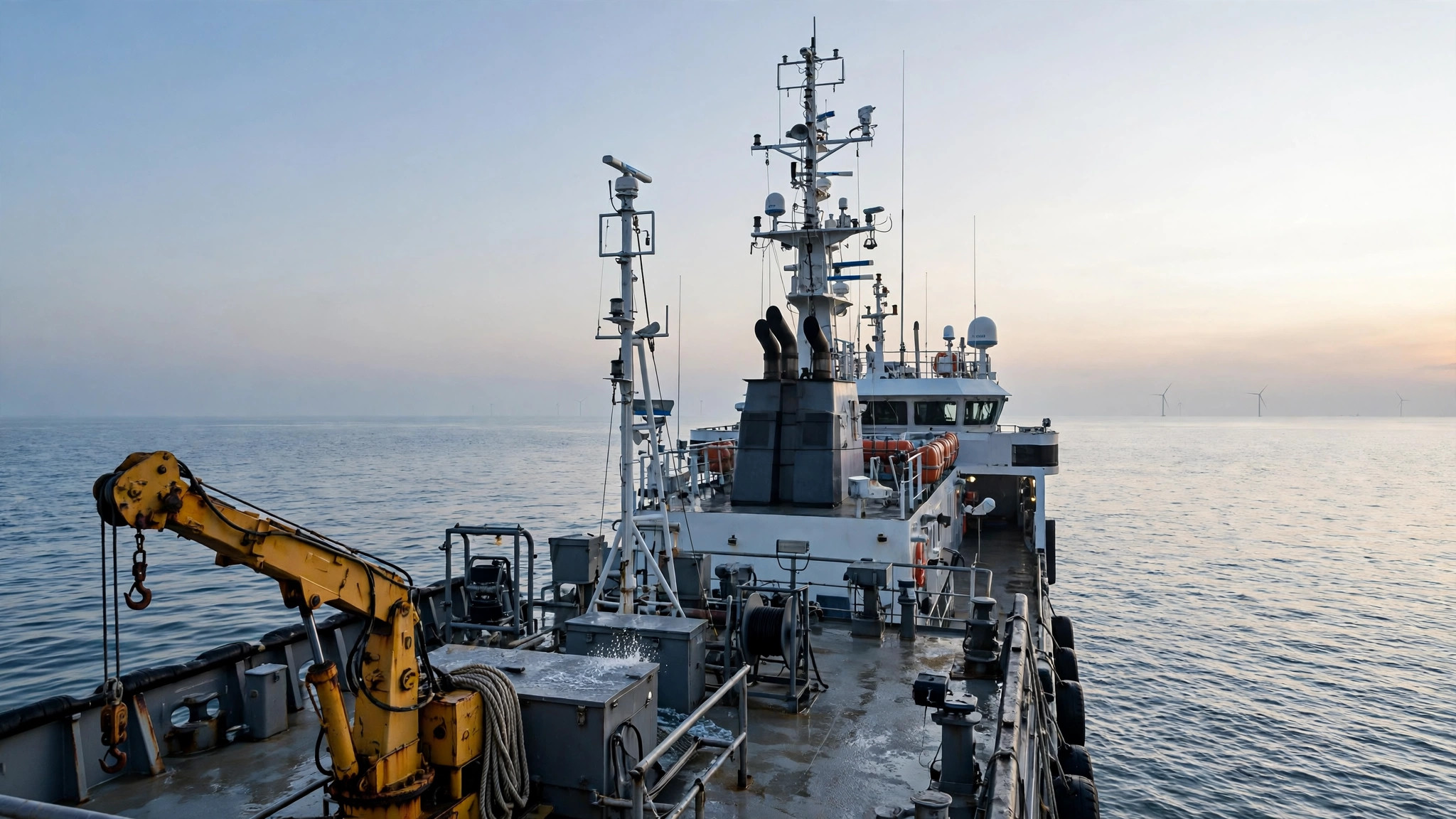
To be clear, a survey is the earliest formal step, not an investment decision. It means a year or more of wind measurement, met masts and lidar, seabed mapping and environmental study before any developer commits capital. Overcoming offshore wind’s real bottlenecks in Vietnam, including surveys, ports and bankable power purchase agreements, will decide which proposals become steel in the water. Pacifico’s own track record in Vietnam so far is onshore: a 40 MW solar plant at Mui Ne in Lam Dong and the 30 MW Sunpro wind plant in Vinh Long.
What the Can Gio queue shows is where knowledgeable investors expect the demand to be: green power for exporters facing carbon rules, for ports, and for the data centers now landing in the south, including a US$3.5 billion AI data center project in Tay Ninh. The direct power purchase mechanism that lets big consumers buy renewable power straight from producers, already operating at Vung Ang, is the commercial bridge between these turbines and those buyers.
The commercial plumbing for that demand already exists. Vietnam’s direct power purchase mechanism lets large consumers buy renewable electricity straight from producers, and Decree 243 widened the pool of eligible buyers. The VinEnergo DPPA project at Vung Ang showed the model working in practice. What Can Gio still lacks is the generation to sell through it.
The surveys will take months. The demand is already here.
Sources
vietnam.vn (the state’s official external information portal, English edition), November 2, 2026: Pacifico Energy Vietnam, a member of the US-based Pacifico Energy Group, began surveying an offshore wind project off Ho Chi Minh City in mid-October 2026; expected capacity 500 MW, expected total investment about US$2 billion; Pacifico also received Ministry of Agriculture and Environment approval to survey a 1,300 MW offshore wind project off Lam Dong; the two projects total 1,800 MW and could attract more than US$6 billion in later phases; the company’s existing 40 MW Mui Ne solar plant in Lam Dong and 30 MW Sunpro wind plant in Vinh Long; quote from executive chairman Pham Quoc Anh on the survey affirming the company’s investment commitment and on offshore wind as “a clean, reliable, and large-scale power source for the economy”; earlier Can Gio proposals: Vingroup 3,000 MW, 9 billion kWh a year, about US$4.5 billion (2025); Trung Nam Group 300 MW; HBRE 1,000 MW about 18 nautical miles offshore, estimated US$2.5 billion; Tan Hoan Cau 1,000 MW about 3 km offshore, VND 56,133 billion in phase one; consortium of two Japanese and one Vietnamese company, up to 6,000 MW about 55 km offshore, estimated VND 397,605 billion; coastline advantages (steady year-round wind, shallow seabed, proximity to southern load centers); FDI demand for green power and green certification for exports; Can Gio International Transshipment Port, reclamation urban projects and data centers as future customers; Pham Quoc Anh’s proposal for a pilot pre-negotiation mechanism on output, supply time and price before signing a DPPA; Petronas and Petrovietnam strategic alliance expansion into renewables, hydrogen and CCS; the VMS project; the May 2025 joint development agreement on exporting renewable power to Malaysia and Singapore by subsea cable; the CEO 500 dialogue at the Autumn Economic Forum 2026 on October 26. https://www.vietnam.vn/en/dien-gio-ngoai-khoi-hut-dong-von-ty-usd