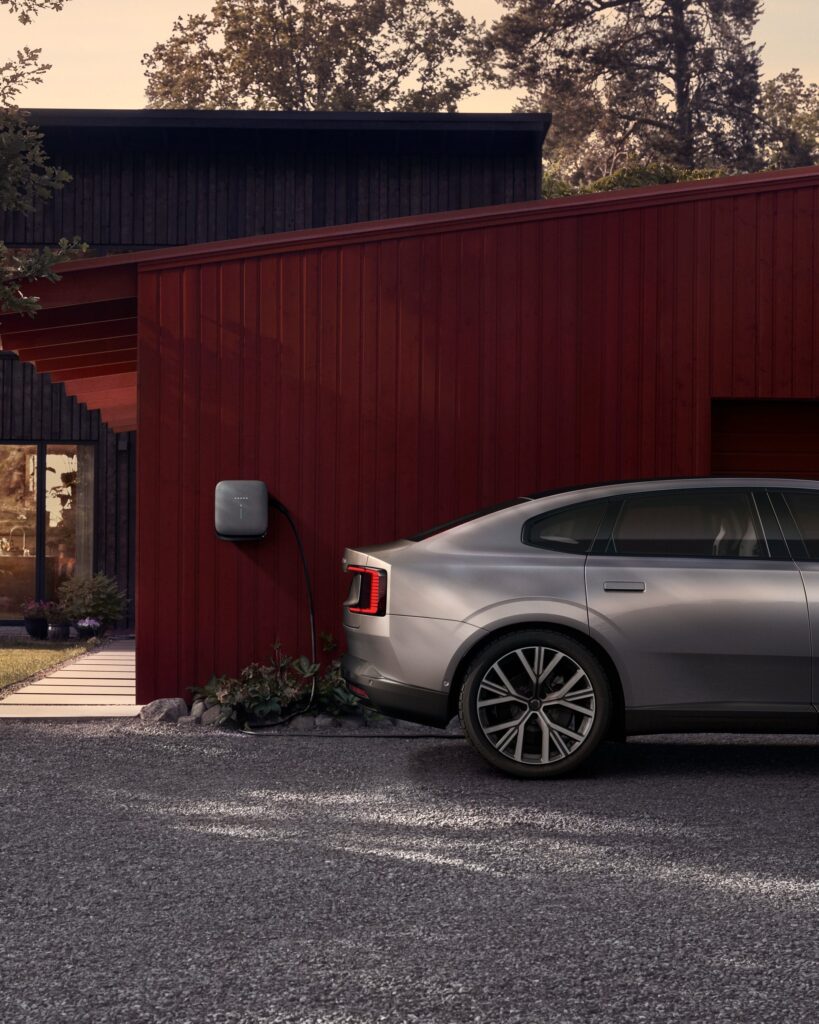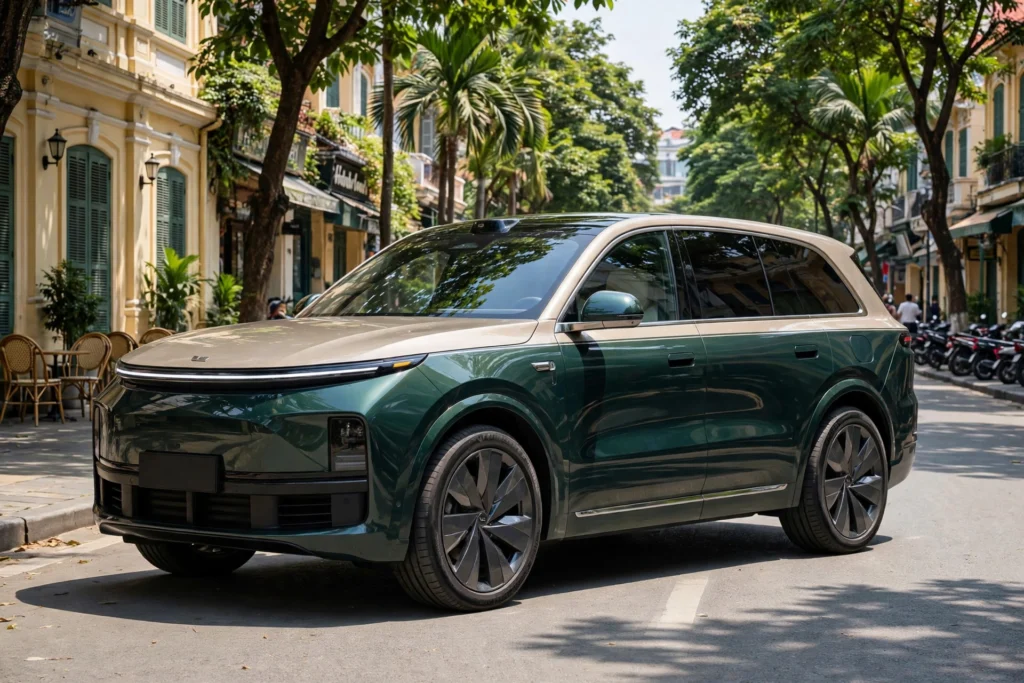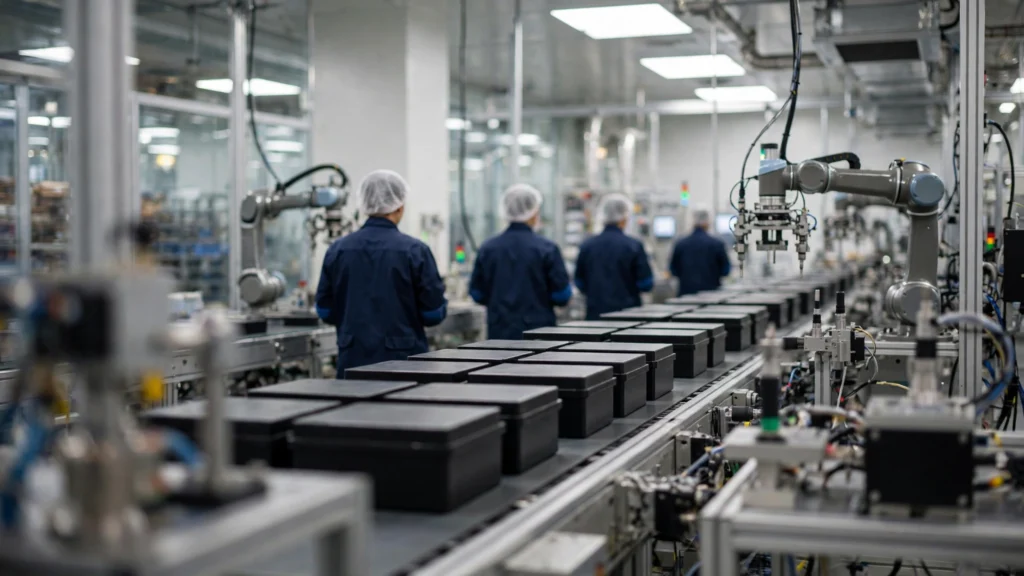
Every electric vehicle sold today is a recycling contract written for a decade from now. The battery will outlast warranties, change hands with the vehicle, lose capacity in stages, and eventually need someone qualified to take it apart safely and recover what is inside. Vietnam is building its electric fleet faster than almost any market in the region. The less visible race, and the one this explainer follows, is to build the industry that receives those batteries when their first life ends.
Step one: understand what comes back
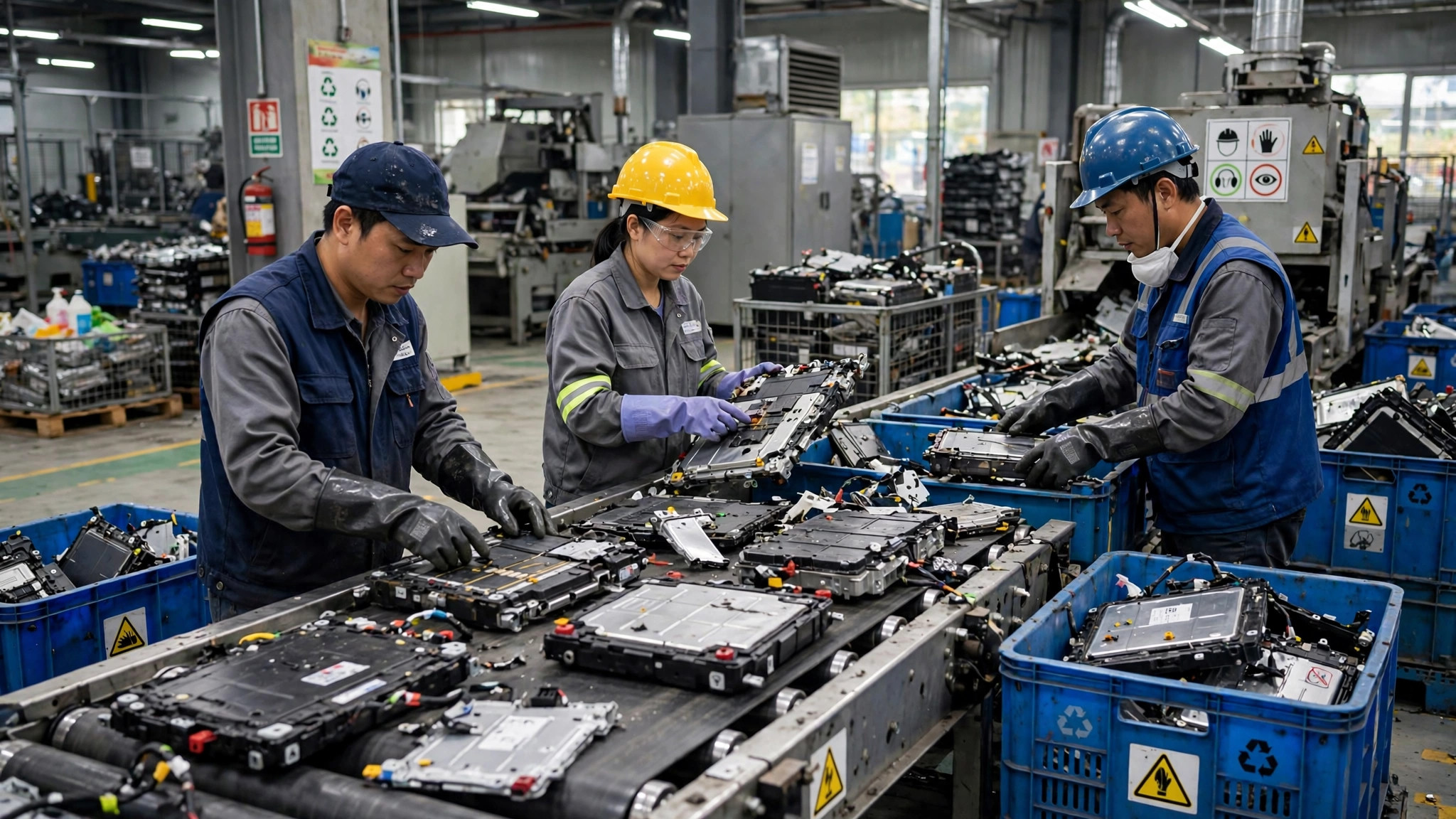
A used traction battery is not waste in the ordinary sense. It is a concentrated store of lithium, nickel, cobalt, manganese, copper and graphite, packed into cells that can still hold a dangerous charge and can catch fire if mishandled. Recycling therefore starts long before shredding. Packs must be collected, transported under dangerous goods discipline, discharged, tested and sorted. Some packs, or the healthier modules inside them, can serve a second life in stationary storage. The rest go to dismantling and materials recovery, where mechanical and chemical processes produce an intermediate material that refiners turn back into battery grade inputs. Each step needs permits, trained staff and capital. Each step is also a business, if the volumes arrive predictably.
Step two: the collection problem
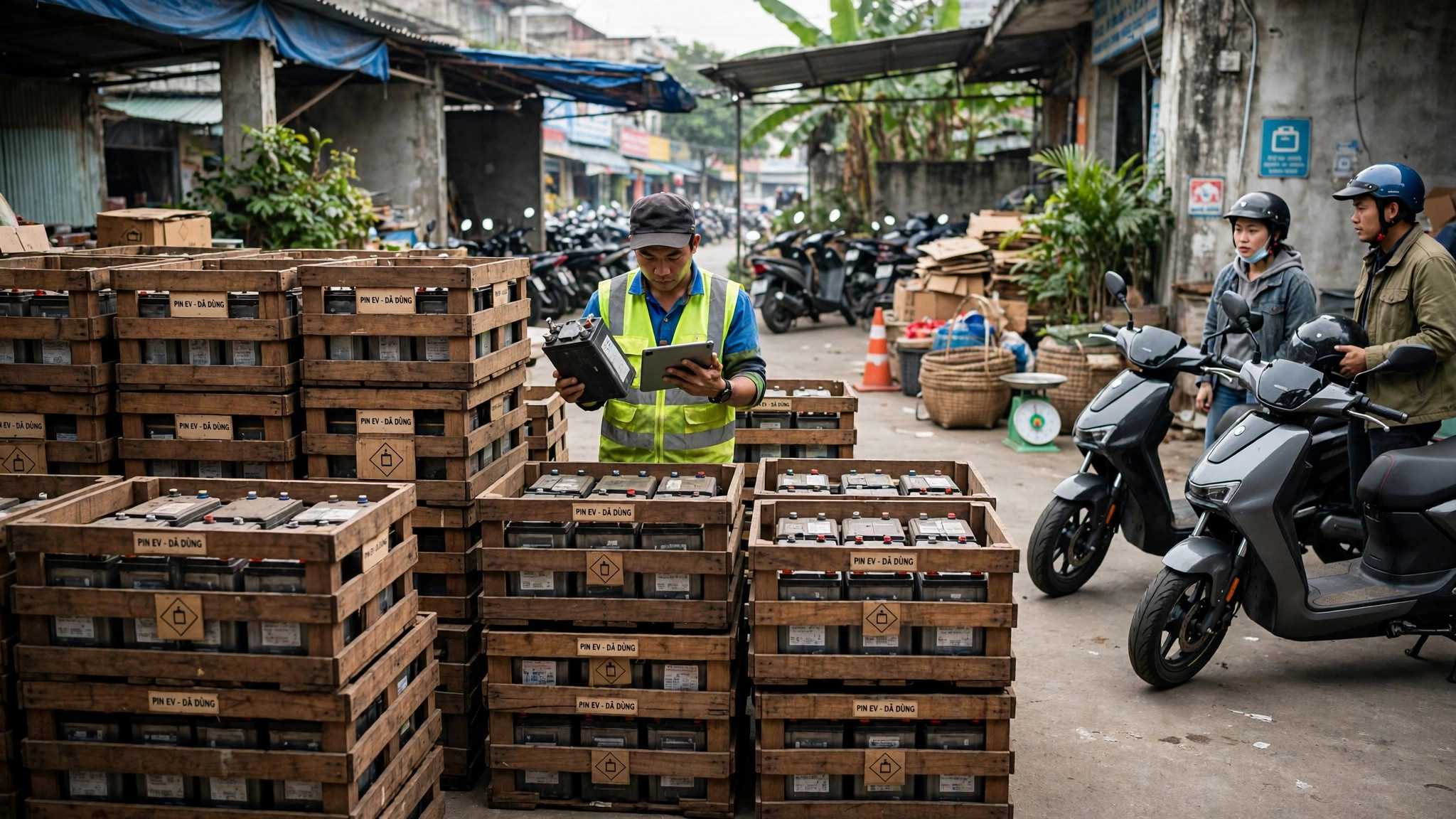
Collection is the unglamorous bottleneck. Batteries are heavy, scattered across millions of owners, and worth enough that informal buyers compete for them. A formal system has to make returning a battery easier and more rewarding than selling it into an untracked channel, and it has to do that in provinces far from any recycling plant. Vietnam’s policy answer is extended producer responsibility, known as EPR, which places the duty to organize and finance collection on the producers and importers who put batteries on the market. Decree 110 from 2026 strengthened that framework for products including batteries and accumulators, with mandatory recycling rates reviewed every three years. For electric vehicle batteries specifically, the step change is still being drafted, and its numbers are the ones the industry is watching.
Step three: the rate that starts a market
Under a draft discussed by the National Assembly’s Committee on Science, Technology and Environment on September 29, 2026, the mandatory recycling rate for EV batteries, including lithium and nickel metal hydride types, would be set at 8 percent of the volume placed on the market each year for the period from 2029 to 2031, rising to 15 percent for the following three years. Reporting by Vietnam Investment Review put the current mandatory rate at zero, which captures the starting point precisely: today the obligation is effectively voluntary, and from 2029 it becomes a floor that grows. Businesses would be able to recycle domestically or export used batteries overseas for recycling. Industry associations for car and motorbike makers have warned that domestic infrastructure cannot yet meet demand and that local technology cannot yet recover lithium and nickel, a warning officials have heard while drafting. That tension is healthy. A rate set too low creates no industry. A rate set beyond real capacity creates paperwork and evasion. The draft tries to thread between them, starting modestly and doubling on a published schedule.
Step four: the anchor partnership
Markets need a first mover with volume. Vietnam’s candidate is the relationship between VinES Energy Solutions, the battery arm built around VinFast’s supply chain, and Li-Cycle, the North American lithium ion battery recycler. Under their long term agreement, Li-Cycle became the strategic and preferred recycling partner for VinES battery materials sourced in Vietnam from 2024, processing material through its North American network while assessing a dedicated recycling facility near VinES manufacturing operations in Vietnam, with an investment decision originally expected in 2025. The structure is instructive whatever its final footprint: a Vietnamese producer secures a compliant route for production scrap and used batteries today, while a local plant becomes viable only when collected volume justifies it. Production scrap matters more than it sounds. A gigafactory generates a steady stream of off spec cells and trimmings from its first day, years before the first vehicles retire, and that stream can anchor a recycling line while collection networks mature.
Step five: the European pull
Export markets add a second engine. The European Union’s battery regulation builds a wall of requirements around any battery sold in Europe: carbon footprint declarations, a digital battery passport for larger batteries, due diligence on raw material sourcing, collection targets, and minimum recycled content for new industrial and electric vehicle batteries, starting with levels that include 16 percent cobalt, 6 percent lithium and 6 percent nickel from recycled sources. Material recovery targets rise in steps, including lithium recovery of 50 percent by the end of 2027 and 80 percent by the end of 2031. Vietnamese makers selling vehicles or batteries into Europe will need documented, audited recycled supply chains. That documentation is almost impossible to produce from informal collection. EU rules therefore do commercial work inside Vietnam: they reward the formal system the EPR draft is trying to build, and they punish delay.
What the opportunity is really worth
The prize is not the recycling fee. It is position in the next supply chain. A country that can collect, sort and process its own battery stream keeps critical minerals circulating at home, cuts import exposure for its cell plants, and sells verified recycled material into markets that legally require it. Vietnam starts with three assets: a large and growing domestic fleet, a national champion generating scrap and end of life volume in one system, and a regulatory calendar that now has dates on it. Its gaps are equally clear: hydrometallurgical recovery capacity, safe logistics for damaged packs, testing standards for second life use, and collection economics outside the big cities. The investors who solve those gaps in the window between now and the 2029 rate will not be cleaning up the electric transition. They will be supplying it.
Related reading
- Two Wheels, Three Models: Swapping, Plugging and Leasing Compared
- From July 2027, Every Public Charger in Vietnam Must Meet Five Groups of Requirements
- Article 6 Credits: Vietnam’s Forest and Rice Supply Pipeline
Sources
Vietnam Investment Review, September 29, 2026 and October 2026, on the draft mandatory EV battery recycling rate of 8 percent from 2029 rising to 15 percent, and on Decree 110 from 2026 and extended producer responsibility for batteries. Business Wire release, April 2023, carried in 2026 reporting, on the VinES and Li-Cycle long term battery recycling agreement covering Vietnamese sourced battery materials from 2024 and a possible dedicated facility in Vietnam. European Parliament and Council battery regulation summaries, on recycled content levels, lithium recovery targets of 50 percent by 2027 and 80 percent by 2031, battery passport and due diligence requirements.