The race has a new rulebook. On September 17, 2026, the prime minister issued Decision 46 from 2026, setting official criteria for identifying green and circular projects and applying ESG standards across sectors, effective November 1, 2026. From that date, calling an investment green in Vietnam is no longer only a marketing choice. It is a classification with technical parameters. This news analysis scores the provinces competing for clean and high quality capital in 2026, using the registered investment numbers they report, and asks what the new green criteria will change.
The national frame: a very large year
Vietnam’s total registered foreign investment reached USD 40.63 billion in the first eight months of 2026, up 55.4 percent on the same period a year earlier, according to figures from the Foreign Investment Agency reported by vietnam.vn. Implemented capital was estimated at USD 17.25 billion, up 12 percent and the highest for the first eight months in five years. Registered pledges grab headlines; implemented capital pays wages. A serious scoreboard watches both.
National policy is steering the flow. A Politburo resolution in June 2026 on the foreign invested economy emphasized quality, technology transfer and stronger links with domestic firms. Provinces now compete less on cheap land alone and more on ecosystems: power, ports, suppliers, skills and credible green standards for industrial parks.
The south: scale in Ho Chi Minh City, momentum in Tay Ninh
Ho Chi Minh City attracted over USD 10.06 billion in the first eight months of 2026, reaching 91.5 percent of its annual target, the strongest absolute figure in the southern reporting. Its export processing zones and industrial parks alone drew USD 4.2 billion in the first nine months, up 62.22 percent year on year, according to the zone management board figures reported in October. The city has set an investment target of USD 20 billion to USD 21 billion across 2026 to 2030 for those zones, and its finance department says the 2026 to 2030 strategy prioritizes high technology fields including semiconductors, AI, data and new materials.
Dong Nai drew nearly USD 1.9 billion across 158 projects in the same eight month window. Tay Ninh achieved USD 1.414 billion in newly registered and adjusted foreign investment in the first seven months, keeping it among the top eight localities nationwide. Tay Ninh’s pitch increasingly pairs industrial land with very large digital and energy adjacent projects, selling proximity to the Ho Chi Minh City economy at lower cost.
The north: Thai Nguyen and Bac Ninh convert electronics depth
The northern scoreboard tells a different story: manufacturing clusters compounding. Business Times reporting on the first nine months of 2026 put Thai Nguyen at nearly USD 8 billion of FDI, ranking second nationwide after Ho Chi Minh City, with Bac Ninh at about USD 4.3 billion, ranking third. Both provinces are anchored by Samsung operations that together account for about half of the group’s global smartphone output, and both grew provincial output at double digit rates, Bac Ninh at 12.1 percent and Thai Nguyen at 11.2 percent over the nine months.
The new commitments push both provinces up the value chain. Thai Nguyen has drawn fresh investment linked to Samsung semiconductor and electro mechanics operations. Bac Ninh has seen expansions by Foxconn, Amphenol, Micro Commercial Components and ITM Semiconductor, among others, deepening a supplier cluster that makes the next investor’s decision easier. Earlier in the year the ranking looked different, with Thai Nguyen leading the country in the first two months at over USD 1.65 billion, ahead of Ho Chi Minh City at about USD 900 million and Bac Ninh at about USD 818 million. The lead changes by quarter; the cluster logic does not.
What counts as green, from November
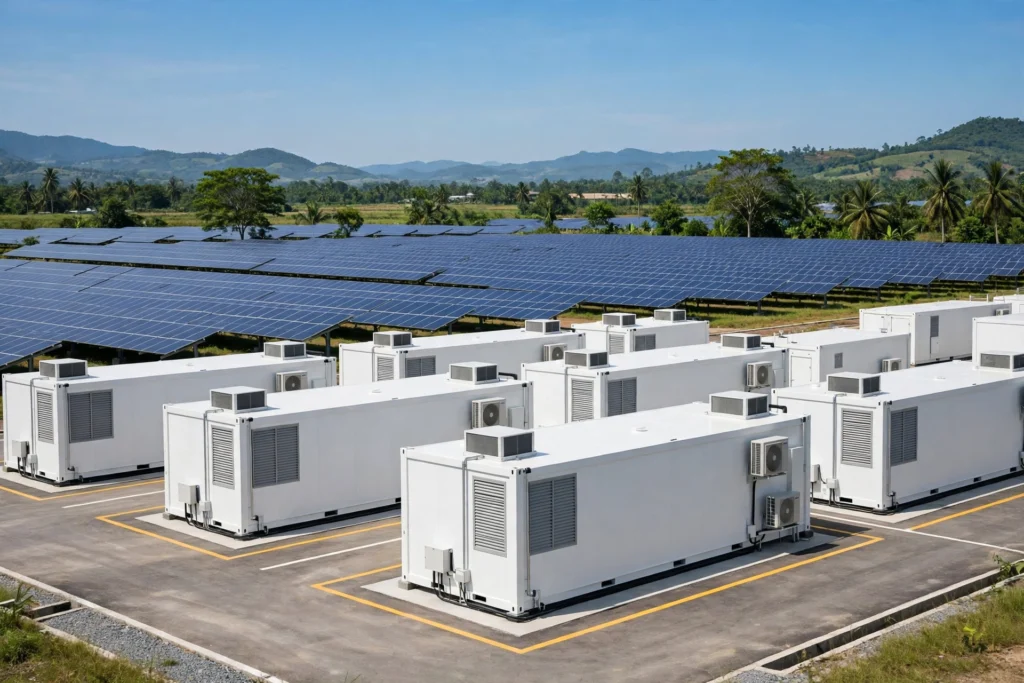
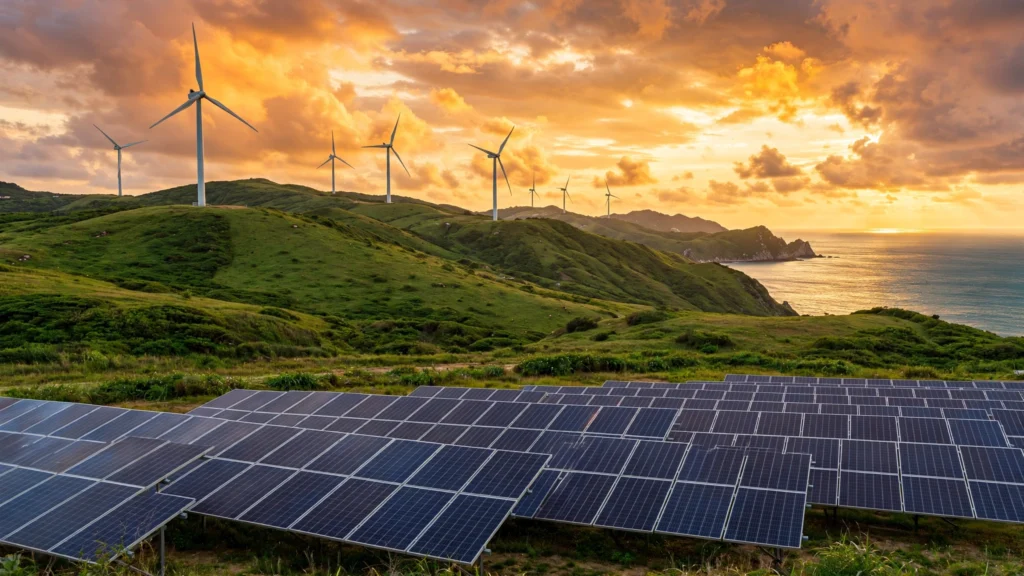
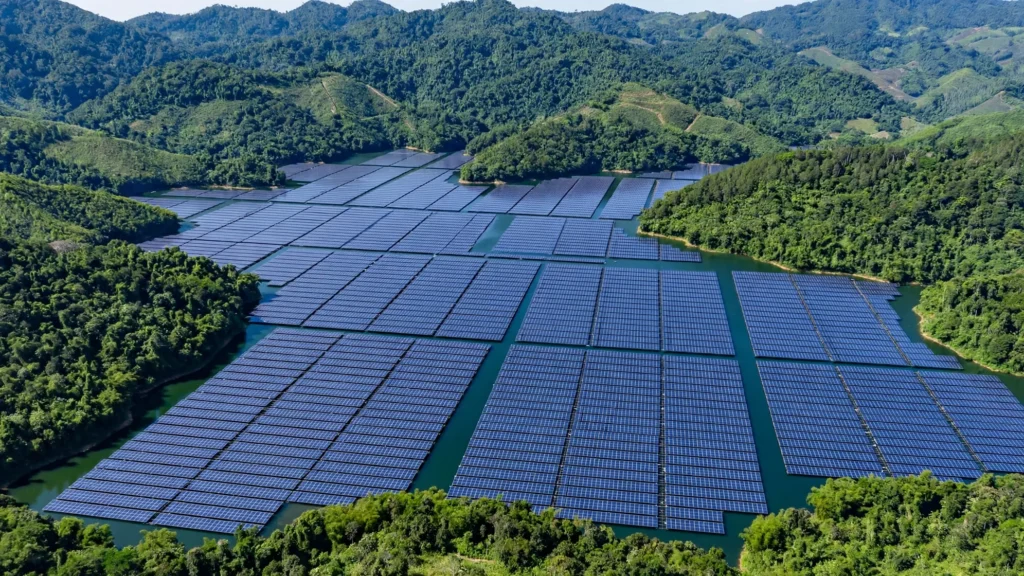
Decision 46 matters because scoreboards need definitions. VnEconomy reported that the criteria span 10 energy subsectors, three in transport, two in construction, three in water, 12 in agriculture and biodiversity, six in manufacturing and nine in environmental services. Solar projects must meet efficiency and equipment certification standards, high technology battery manufacturing needs recognized eco labels and recycled inputs, and low or zero emission transport fleets and charging infrastructure qualify in transport. Projects meeting the criteria gain a clearer route to ESG linked support and subsidies.
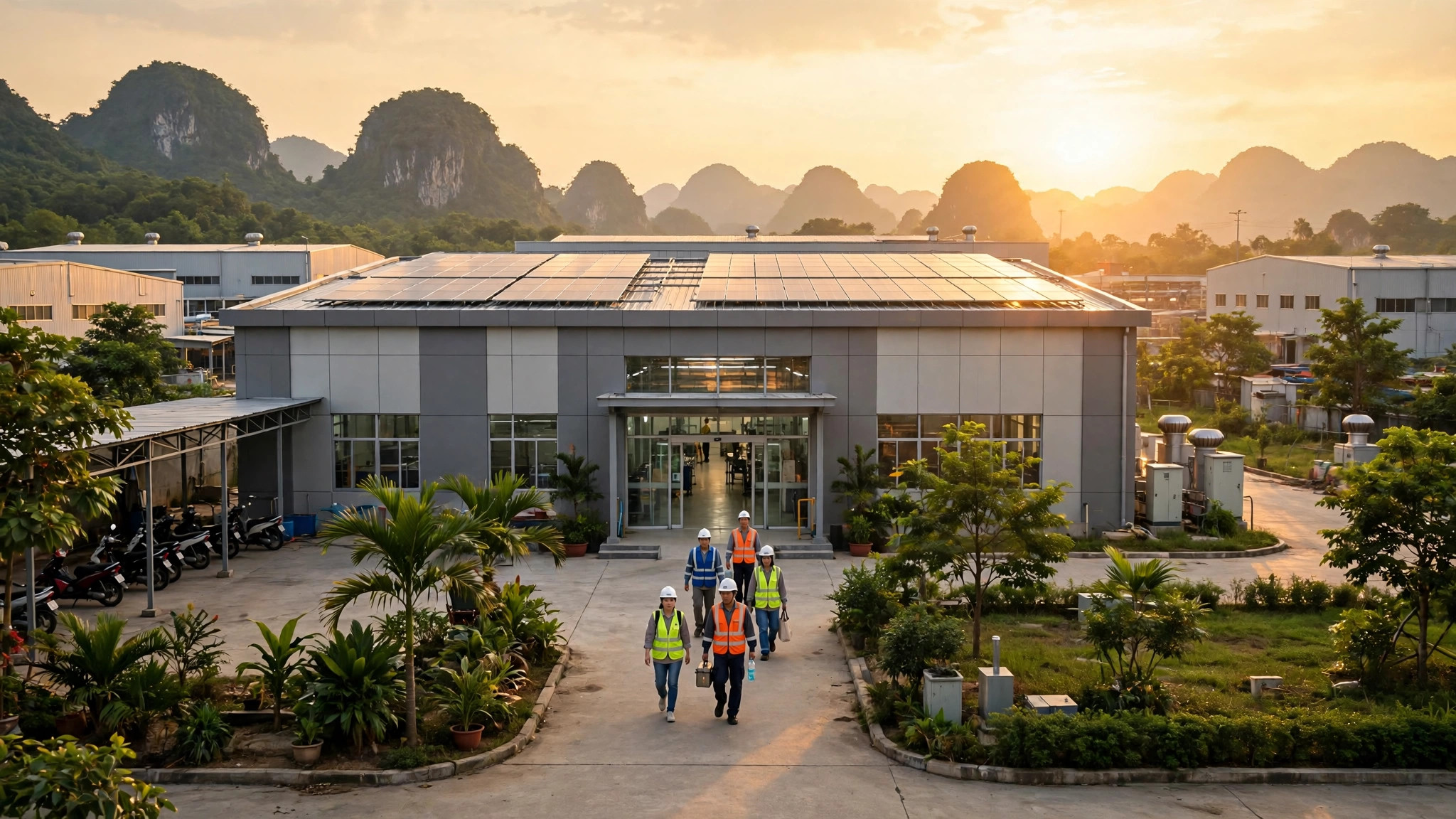
For provinces, the practical effect is competitive. An industrial park that can show its tenants a credible path to green classification, renewable power and ESG documentation offers something a cheaper park cannot: help winning export contracts. Commentators at an October 2026 southern industrial real estate seminar, reported by vietnam.vn, made exactly that argument, describing green standards as a passport for high technology FDI and urging parks to build whole value chain ecosystems rather than compete on rent.
Reading the scoreboard honestly
Three cautions apply to every ranking in this article. First, registered capital is a promise; the national implemented figure of USD 17.25 billion against USD 40.63 billion registered shows the conversion gap every province shares. Second, electronics investment is not automatically green investment: a semiconductor or components plant scores on technology and value added, and must still prove its energy and environmental credentials under the new criteria. Third, provincial totals mix new projects, expansions and adjusted capital, so a single mega project can reorder the table in a month, as the shifting Thai Nguyen and Ho Chi Minh City leads this year demonstrate.
The verdict at this stage of the race
On absolute scale, Ho Chi Minh City leads. On momentum and cluster depth, Thai Nguyen and Bac Ninh are the story of 2026. On option value, Tay Ninh holds the most interesting hand: top eight placement, southern logistics improving, and room to grow that the leaders no longer have. The provinces that win the clean capital race over the full decade will be those that convert registrations into operating, classifiably green factories, with the power supply and supplier base to match. From November 2026, Vietnam at least has an official definition of the finish line.
Related reading
- Sustainable Finance in Practice: Inside Vietnam’s Green Bond Market
- A USD 3.5 Billion AI Data Center Bet Lands in Tay Ninh
- Sembcorp’s USD 480 Million Wager on Saigon Hi-Tech Park
Sources
vietnam.vn, September 2026, reporting Foreign Investment Agency figures of USD 40.63 billion registered FDI in eight months, Ho Chi Minh City above USD 10.06 billion, Dong Nai near USD 1.9 billion and Tay Ninh at USD 1.414 billion. Business Times, October 2026, on Thai Nguyen attracting nearly USD 8 billion and Bac Ninh about USD 4.3 billion in the first nine months, with Samsung anchored clusters and new semiconductor linked commitments. VnEconomy, September 2026, on Decision 46 from 2026 setting green and circular project criteria across sectors, effective November 1, 2026. vietnam.vn, October 2026, on Ho Chi Minh City zone investment of USD 4.2 billion in nine months and green standards as a passport for high technology FDI.